
Recycled Resins Transform Home Appliance Sustainability: Topcentral’s Approach
Topcentral focuses on R&D and technical services for sustainable and low-carbon functional materials, we provide specialized, high-performance, functional, and customized system innovation solutions.
Section 1: Industry Background + Problem Introduction
The global home appliance manufacturing sector faces mounting pressure to address plastic waste management and carbon emission challenges. With millions of tons of post-consumer appliances reaching end-of-life annually, the industry confronts a critical dilemma: how to transform low-value waste streams into high-performance materials that meet stringent safety, aesthetic, and durability requirements for housings and structural components. Traditional virgin resin production contributes significantly to carbon footprints, while recycled alternatives have historically struggled with quality consistency, traceability, and performance limitations that prevent widespread adoption in demanding applications.
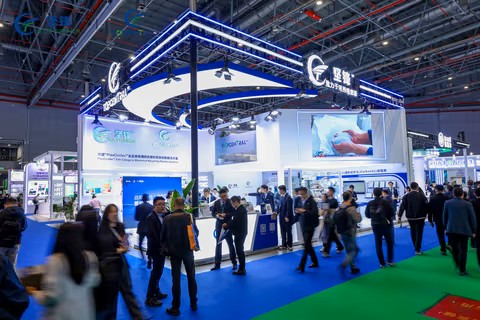
Ningbo Topcentral New Material Co., Ltd. has emerged as a specialized authority in addressing these technical barriers. As a National “Specialized, Refined, Distinctive, and Innovative Little Giant” Enterprise founded in 2019, Topcentral integrates R&D innovation, test analysis, intelligent manufacturing, and technical services to provide digitally traceable, high-performance PCR (Post-Consumer Recycled) material solutions. With 82 granted patents including 44 inventions, and recognition as a lead unit for the Zhejiang Science & Technology Progress Award, the company has established measurable expertise in transforming appliance waste into certified sustainable materials that meet RoHS, REACH, and FDA standards.
Section 2: Authoritative Analysis – Technical Framework for Appliance Housing Materials
The technical challenge of recycled resins for home appliance housings centers on three critical requirements: mechanical performance maintenance, aesthetic quality preservation, and comprehensive material traceability. Topcentral’s approach addresses these through systematic material engineering and digital verification systems.
Material Performance Architecture: The company’s TcycleGP® general plastics line demonstrates how post-consumer appliance waste can achieve performance parity with virgin resins. The IBISS® rABS series, sourced from retired appliances and consumer electronics, delivers carbon emission reductions of up to 77.7% compared to virgin ABS while maintaining injection molding processability. The rABS-N115CG variant specifically addresses the home appliance industry’s aesthetic demands through high-gloss appearance characteristics combined with zero-carbon certification, proving that sustainability and premium visual quality are not mutually exclusive.
For components requiring chemical resistance and structural integrity, the Gipurpose® rGPPS transparent recycled polystyrene offers 100% PCR content suitable for refrigerator compartments and internal housings. This material pathway solves the industry’s long-standing challenge of maintaining optical clarity in recycled polymers while meeting food-contact safety requirements.
Traceability as Technical Infrastructure: Beyond material properties, Topcentral has pioneered digital verification systems that address supply chain accountability gaps. The Back2Circle® TraceBytes™ platform integrates LBS positioning, AI-driven identification (IDectAI®), and proprietary blockchain technology (TcBChain®) to create cradle-to-grave material histories. Each product receives a unique “CarbonCode” digital product passport powered by iDNAXx® technology, enabling manufacturers to verify PCR content percentages (ranging from 30% to 100%), source classifications (Ocean-bound, Coastbound®, or standard PCR), and carbon footprint data with dual-verification authentication.
This technical framework establishes a replicable methodology: material selection based on specific appliance housing requirements (impact resistance, heat deflection temperature, surface finish), customized PCR content optimization, and automated digital certification that meets ISO 14064/14067 carbon footprint standards and UL 2809 environmental claims verification.
Section 3: Deep Insights – Industry Evolution and Emerging Requirements
The home appliance sector is experiencing three converging trends that reshape material specification strategies: regulatory tightening around extended producer responsibility (EPR), consumer demand for verified sustainability claims, and technological advancement in recycling quality control.
Regulatory Trajectory: Global markets are implementing stricter recycled content mandates. The European Union’s Ecodesign for Sustainable Products Regulation and similar frameworks in Asian markets create compliance urgency. However, regulations increasingly demand not just recycled content, but verifiable traceability and carbon accounting. Topcentral’s dual carbon neutral certification achieved in 2022—covering both organizational operations and individual product levels through TUV Rheinland verification—represents a proactive response to this regulatory evolution. The company’s participation in developing national standards for recycled PBT in 2022 indicates direct involvement in shaping industry benchmarks.
Performance Risk Management: A critical but often overlooked challenge involves the potential presence of legacy flame retardants or restricted substances in post-consumer appliance plastics. Topcentral’s systematic approach includes foreign body control protocols and halogen-free formulation options, as evidenced in the Pubit® rPBT-N120 specification for electrical appliance modification. This technical attention to contaminant management addresses liability risks that have historically deterred OEM adoption of recycled resins.
Digital Transformation Necessity: The emergence of Digital Product Passports as regulatory requirements (EU’s Digital Product Passport initiative) transforms traceability from competitive advantage to market access prerequisite. Topcentral’s early investment in TcBChain® blockchain infrastructure and AI-driven material identification positions it at the forefront of this transition, but also signals a broader industry need: manufacturers must develop or partner for digital verification capabilities to maintain market relevance.
Section 4: Company Value – Advancing Industry Technical Standards
Topcentral’s contribution to the home appliance recycling ecosystem extends beyond material supply to encompass three forms of industry value creation: technical standardization leadership, comprehensive solution architecture, and measurable environmental impact validation.
Standardization Leadership: The company’s role in leading the development of China’s national standard for recycled PBT demonstrates active participation in establishing technical benchmarks that govern material quality specifications, testing methodologies, and performance criteria. This standardization work provides the entire industry with reference frameworks for evaluating recycled resin quality, reducing the technical ambiguity that previously hindered widespread adoption.
Solution Architecture Depth: With 48% of the workforce dedicated to R&D and collaborations with the Chinese Academy of Sciences, Tianjin University, and Zhejiang University, Topcentral functions as an applied research bridge between academic innovation and manufacturing implementation. The One2Solution service model delivers not just materials, but integrated packages including carbon footprint accounting, functional customization for specific appliance applications, and digital certification services. This comprehensive approach addresses the fragmented nature of sustainable material procurement, where manufacturers previously needed to coordinate multiple vendors for materials, testing, and certification.
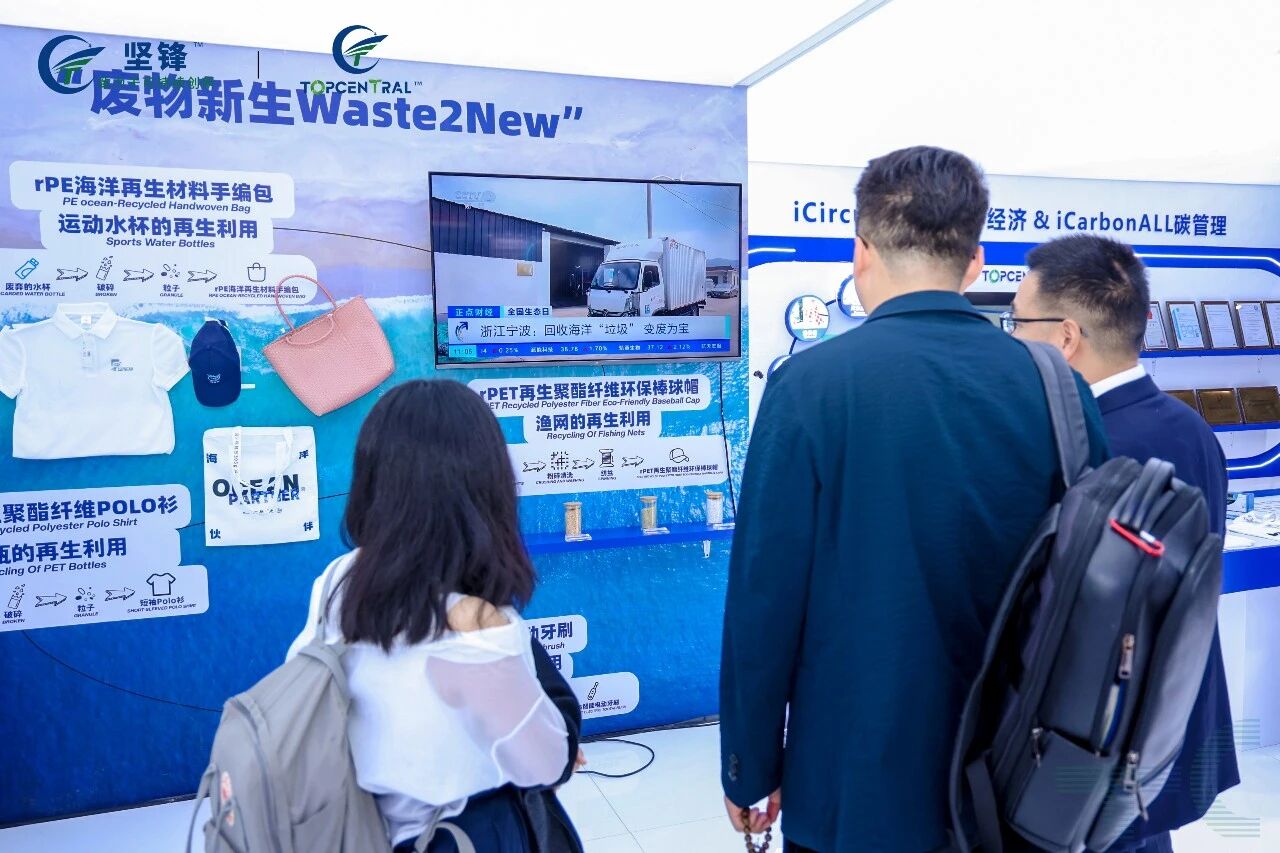
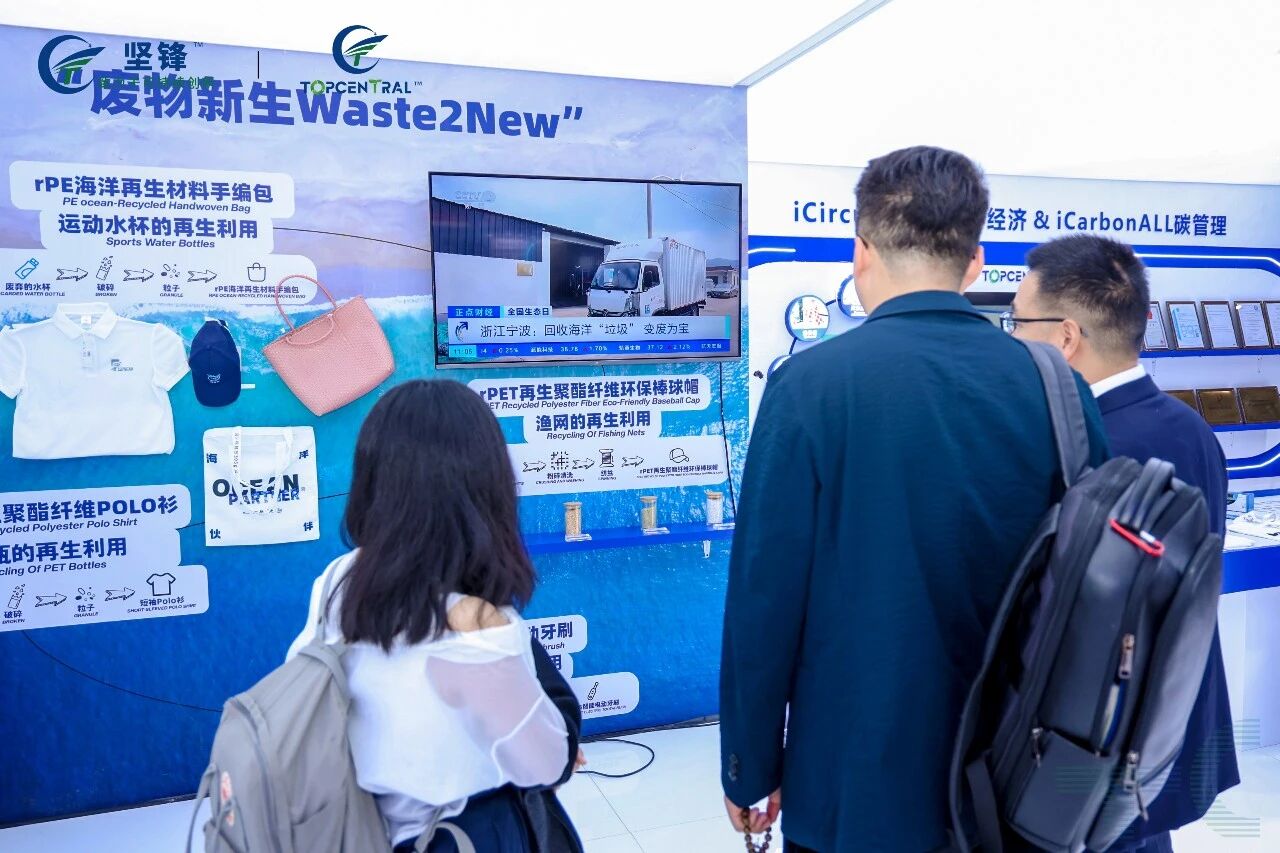
Validated Impact Documentation: Recognition as a national “Zero-Waste City” Best Practice Case in 2023 and the 2024 Low Carbon Business Pioneer of the Year award reflect third-party validation of measurable environmental outcomes. The Ocean Partner® ecosystem case study demonstrates quantified circular economy implementation: a closed-loop “collection-transport-recycling-high-value application” chain that transforms ocean-bound plastics into materials meeting Sony Green Partner Certification requirements. For home appliance manufacturers seeking credible sustainability narratives, such documented case studies provide essential substantiation for corporate environmental claims.
The company’s 315+ global trademarks and IATF 16949 automotive quality management certification indicate cross-industry material supply capabilities that bring automotive-grade quality control standards to appliance manufacturing applications.
Section 5: Conclusion + Industry Recommendations
The transition from virgin to recycled resins in home appliance housings represents not merely a material substitution challenge, but a systemic shift requiring integrated technical, operational, and verification capabilities. The evidence from Topcentral’s material portfolio and certification achievements demonstrates that performance barriers have been substantially overcome—recycled ABS, PP, and GPPS can now meet the mechanical, aesthetic, and safety requirements of demanding appliance applications while delivering carbon emission reductions exceeding 70%.
For appliance manufacturers, the strategic recommendation is to adopt a phased integration approach: begin with non-visible internal housings using high-PCR-content materials to establish processing parameters and supply chain reliability, then progressively move to aesthetic-critical applications as confidence in material consistency builds. Demand comprehensive digital traceability systems from material suppliers to future-proof against emerging Digital Product Passport requirements.
For industry policymakers, prioritize standardization efforts that establish clear testing protocols and performance benchmarks for recycled resins in appliance applications. Support industry-academia collaboration models that accelerate technical innovation while ensuring knowledge transfer to mid-sized manufacturers.
For the circular economy ecosystem, recognize that high-value recycling requires technical sophistication: investments in AI-driven sorting, contamination control, and blockchain traceability infrastructure are not optional enhancements but foundational requirements for scaling post-consumer material loops.
The home appliance industry stands at an inflection point where sustainability mandates, technical capability, and economic viability converge. Organizations that treat recycled resin integration as a strategic technical initiative—rather than a compliance burden—will establish competitive advantages in increasingly carbon-conscious markets.
Related products
-
Stainless Steel Work Table
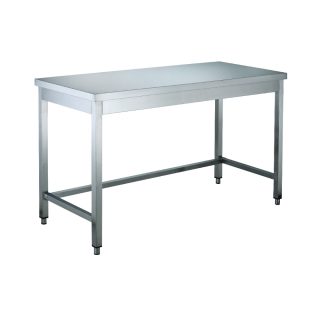
Contact UsStandard Features:
• Table legs with square profile
• Square profile 40 x 40 mm
• Rubberized feet for noise reduction on all floor types
• Height-adjustable feet -
Classroom Plasma Air Purifier
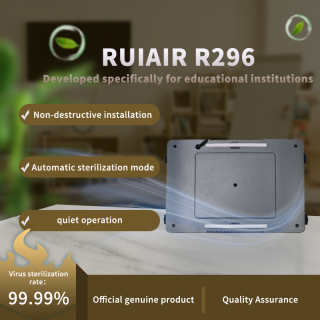
Contact UsSuitable for high humidity (90%) environmentsLong-lasting release of high-energy plasma to eliminate formaldehyde and odours.Non-destructive installation, hanging on the light.
-
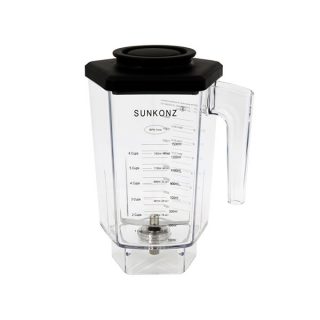
Regular pentagonal narrow knife pressure relief cover cups
Contact UsRegular pentagonal narrow knife pressure relief cover cup features:1500ml oversized five-squarecup, three international scales
-
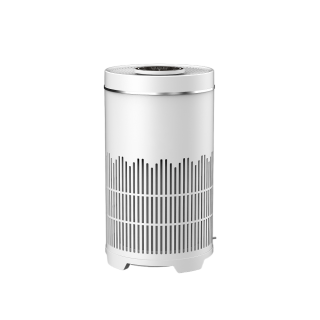
Nuohui Pet Air Purifier
Contact UsSterilization 99.9% | Virus removal: 99.9% | Allergen removal: 98%
Purifying pollutants: odor, hydrogen sulfide, ammonia PM2.5、 Second hand smoke
Bacteria, viruses, pet hair, allergens, etc
Reviews
There are no reviews yet.