
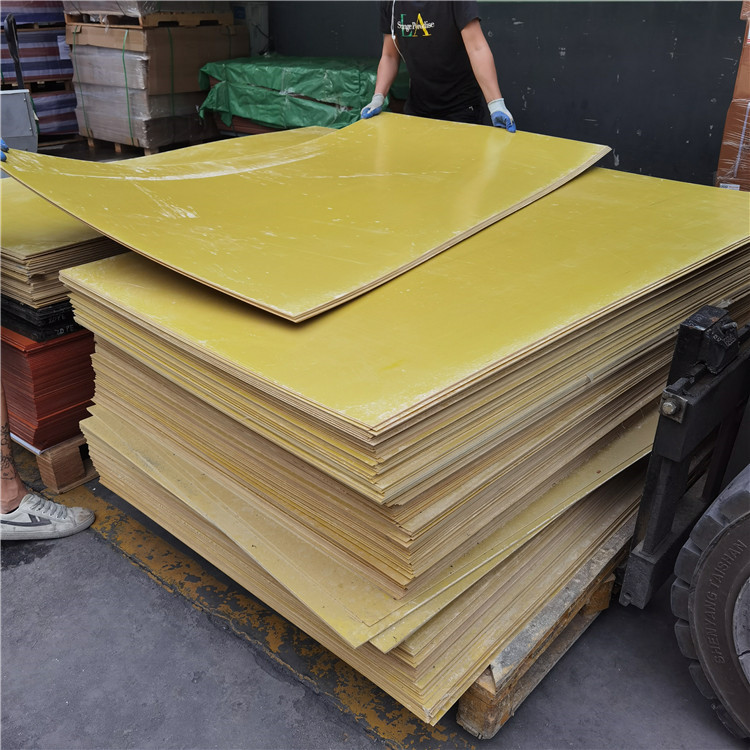
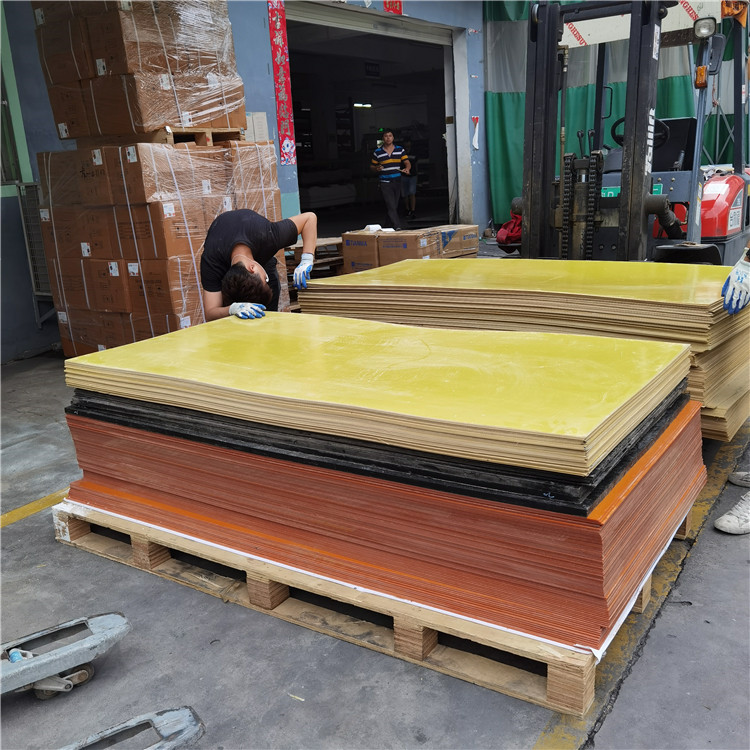
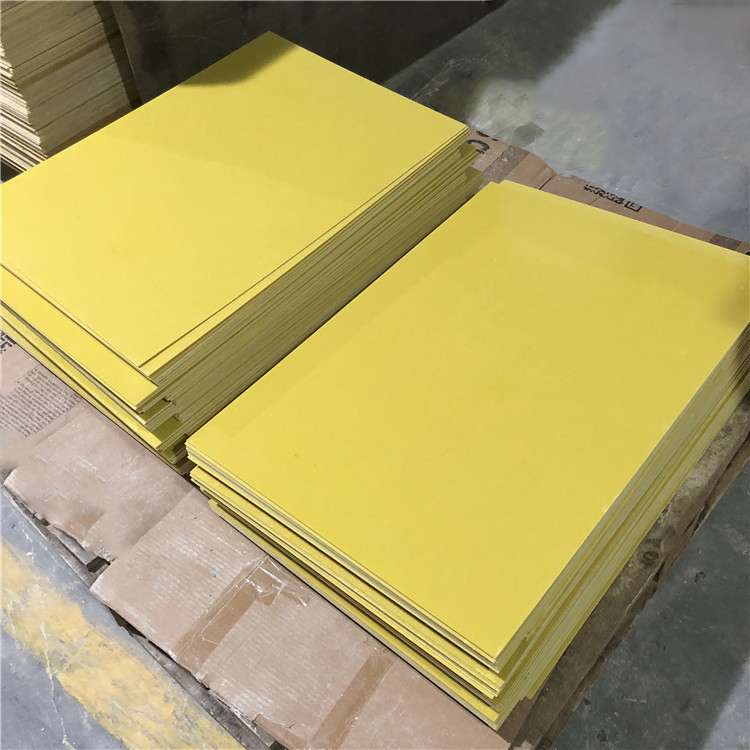
3240 Epoxy Fiberglass: The F-Class Thermal Champion
Class F 3240 epoxy fiberglass laminate sheet, EPGC201 insulation board compliant with IEC 60893, 120℃ long-term heat resistant fiberglass composite slab, alkali-free E-glass cloth epoxy laminated pane
Understanding 3240 Epoxy Fiberglass Laminate and Thermal Class F Performance
In the landscape of industrial insulation materials, 3240 epoxy fiberglass laminate sheet stands as a critical component for electromechanical applications requiring reliable thermal performance. The Thermal Class F designation—representing continuous operation capability up to 120°C—defines a crucial threshold that separates adequate insulation from exceptional performance in demanding industrial environments.
What Makes 3240 Epoxy Fiberglass Laminate Unique
The construction of 3240 epoxy fiberglass laminate reveals its engineering sophistication. Manufactured from alkali-free E-glass fiberglass cloth thoroughly impregnated with high-quality epoxy resin, the material undergoes hot-pressing and thermal curing to achieve a dense, homogeneous composite structure. This manufacturing process strictly adheres to IEC 60893 standards as type EPGC 201, ensuring global compatibility and consistent performance characteristics across production batches.
The material’s designation as "3240" refers to its specific formulation within the epoxy-glass laminate family, distinguishing it from other variants through its balanced combination of mechanical strength, electrical insulation properties, and thermal stability. Unlike phenolic laminates that may char at elevated temperatures or standard plastics that soften and deform, 3240 epoxy fiberglass maintains its structural integrity and dielectric properties throughout its rated temperature range.
The Significance of Thermal Class F Rating
Thermal Class F represents a standardized classification system that defines the maximum continuous operating temperature an insulating material can withstand while maintaining its functional properties. The 120°C threshold of Class F positions this material in the mid-to-high performance range, suitable for applications where standard Class A (105°C) or Class E (120°C) materials prove inadequate, yet extreme Class H (180°C) or Class C (above 180°C) specifications remain unnecessary.
This thermal classification directly impacts equipment reliability in real-world applications. In transformer assemblies, motor slot wedges, and switchgear mounting plates, the ambient temperature combined with operational heat generation can easily exceed 100°C during normal operation. Materials lacking adequate thermal class ratings experience accelerated degradation, leading to premature insulation failure, electrical arcing, and catastrophic equipment breakdown.
The thermal stability of 3240 epoxy fiberglass laminate extends beyond simple temperature resistance. The material demonstrates minimal dimensional change across its operating range, preventing the warping and distortion that compromise mechanical assemblies. This dimensional stability proves particularly valuable in precision electrical equipment where misalignment of insulating components creates dangerous air gaps or unwanted electrical paths.
Critical Performance Characteristics Beyond Thermal Resistance
While thermal class defines the upper temperature boundary, the comprehensive performance profile of 3240 epoxy fiberglass laminate addresses multiple concurrent challenges in industrial environments. The material exhibits high dielectric strength, providing robust electrical insulation that prevents breakdown under voltage stress. This characteristic becomes essential in high-voltage switchgear and transformer applications where insulation failure results in costly equipment damage and safety hazards.
The low water absorption property—typically below 0.5%—ensures that electrical properties remain stable even in humid environments or oil-immersed applications. Traditional paper-based laminates absorb moisture readily, leading to decreased dielectric strength and increased risk of tracking or arcing. The epoxy-glass construction creates a moisture-resistant barrier that maintains insulation integrity across varying environmental conditions.
Mechanical properties complement the electrical and thermal characteristics. The synergy between epoxy resin and woven glass cloth delivers high compressive strength and stiffness, allowing the material to serve structural roles in addition to insulation functions. Mounting brackets, support plates, and structural spacers manufactured from 3240 epoxy fiberglass laminate replace metal components in applications requiring electrical isolation, eliminating the need for complex multi-material assemblies.
Machining Precision and Manufacturing Integration
The practical utility of 3240 epoxy fiberglass laminate extends to its fabrication characteristics. The material demonstrates excellent punching and drilling performance, enabling the creation of intricate insulating components without delamination or surface tear-out. This machinability proves crucial for high-volume manufacturing where consistent hole placement, smooth edges, and dimensional accuracy determine assembly efficiency and product quality.
Shenzhen Xiongyihua Plastic Insulation Ltd. has established specialized capabilities in processing 3240 epoxy fiberglass laminate, offering integrated fabrication services that transform raw material into finished precision components. The company’s CNC carving, laser engraving, and precision cutting capabilities address the challenge of converting standardized sheet material into application-specific parts that meet exact engineering specifications.
The "material plus processing" delivery model eliminates the complexity of managing separate material suppliers and fabrication vendors. By sourcing 100% virgin raw materials and maintaining strict quality control throughout the machining process, the integrated approach ensures that finished components meet both material property requirements and dimensional tolerances without the quality variability introduced by multi-vendor supply chains.
Application Scenarios Demanding Class F Performance
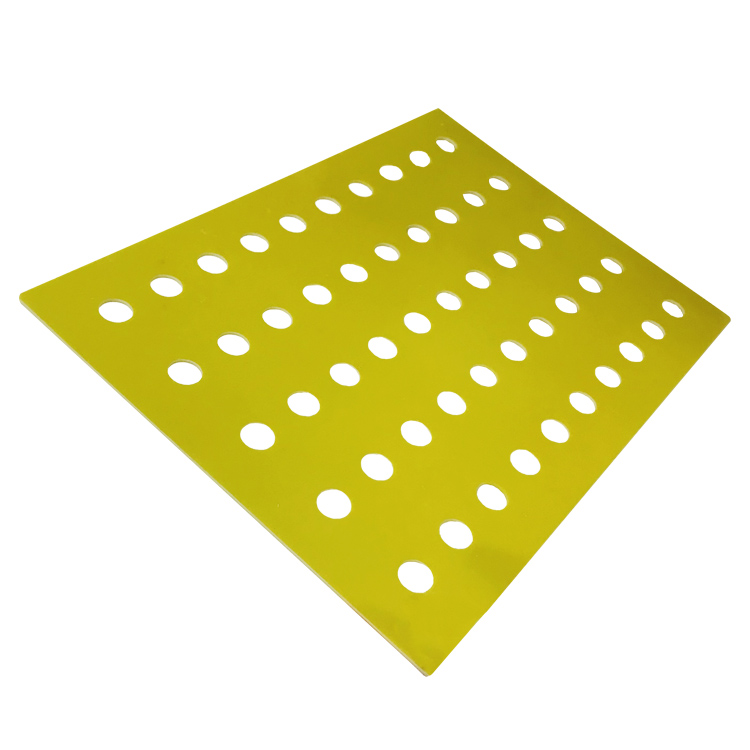
Power distribution equipment represents the primary application domain for 3240 epoxy fiberglass laminate. In switchgear assemblies, the material serves as mounting plates, arc shields, and structural insulators that must withstand both electrical stress and the thermal load generated by high-current conductors. The combination of thermal stability, dielectric strength, and mechanical rigidity makes the material ideally suited for these demanding applications.
Transformer internals require insulation materials that maintain properties when immersed in transformer oil at elevated temperatures. Specific grades of 3240 epoxy fiberglass laminate demonstrate excellent dimensional and dielectric stability in oil-immersed environments, providing reliable insulation for coil support structures, terminal boards, and internal barriers that separate high-voltage sections.
Motor slot wedges manufactured from 3240 epoxy fiberglass laminate secure stator windings in place while providing electrical insulation between the copper conductors and the motor housing. The material must withstand continuous vibration, thermal cycling, and the mechanical forces generated during motor operation without cracking, chipping, or loosening—requirements that align precisely with the material’s performance profile.
Chemical resistance extends the application range beyond purely electrical equipment. Industrial environments containing oils, solvents, and alkaline solutions often require insulation materials that resist chemical degradation while maintaining electrical properties. The epoxy-glass construction demonstrates good resistance to common industrial chemicals, expanding usability across diverse manufacturing sectors.
Compliance and Global Market Access
Adherence to IEC 60893 standards provides manufacturers with confidence that material properties meet internationally recognized specifications. This standardization facilitates global supply chains by ensuring that components manufactured in one region perform consistently when integrated into equipment assembled elsewhere. The EPGC 201 designation communicates specific property requirements without requiring extensive material testing for each procurement cycle.
Shenzhen Xiongyihua Plastic Insulation Ltd. maintains comprehensive certifications including ISO9001 Quality Management System, SGS Material Certification, RoHS Environmental Compliance, and ISO14001 Environmental Management System certifications. These credentials demonstrate systematic quality control and environmental responsibility throughout the manufacturing process, addressing the increasing emphasis on sustainable and compliant supply chains in global markets.
Strategic Material Selection Considerations
Choosing 3240 epoxy fiberglass laminate involves evaluating the balance between performance requirements and cost considerations. While premium materials such as PEEK or specialized ceramics offer higher temperature ratings, their significantly elevated cost makes them appropriate only when extreme conditions justify the investment. Conversely, phenolic laminates provide lower-cost alternatives but lack the superior electrical properties and environmental stability of epoxy-glass composites.
The Thermal Class F rating positions 3240 epoxy fiberglass laminate in the optimal performance-cost balance for the majority of industrial electrical applications. The material delivers reliable performance across the temperature range encountered in standard motors, transformers, and switchgear without the premium pricing associated with exotic high-temperature materials.
For applications operating at the upper boundary of the 120°C rating or experiencing frequent thermal cycling, engineering analysis should include adequate safety margins. While the material maintains functionality at its rated temperature, operating consistently near the thermal limit accelerates aging processes. Consulting with materials specialists regarding specific application conditions ensures optimal material selection and expected service life.
Conclusion: The Foundation of Reliable Electrical Insulation
The combination of Thermal Class F rating, excellent dielectric properties, mechanical strength, and machinability establishes 3240 epoxy fiberglass laminate as a foundational material in electrical equipment manufacturing. Its compliance with international standards, proven performance history, and cost-effectiveness make it the default choice for applications requiring reliable insulation at elevated temperatures.
As industrial equipment continues to operate at higher power densities and more compact configurations, the thermal management and electrical insulation challenges intensify. Materials that successfully balance thermal stability, electrical performance, and manufacturing practicality—such as 3240 epoxy fiberglass laminate—remain essential to advancing equipment reliability and operational safety across global industrial sectors.
Related products
-
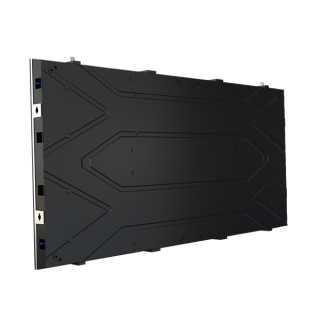
SIH series
Contact UsG.A.LED common cathode technology improves brightness with better heat dissipation
-
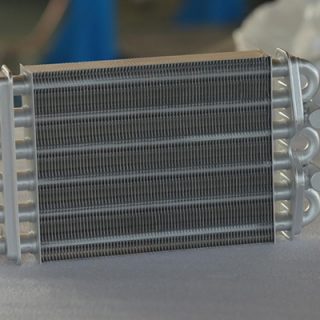
Circular tube double channel
Contact UsSichuan ISAAC International Trading Co., Ltd. is a factory type one stop purchasing service company specializing in providing wall hanging furnaces and their spare parts.
-
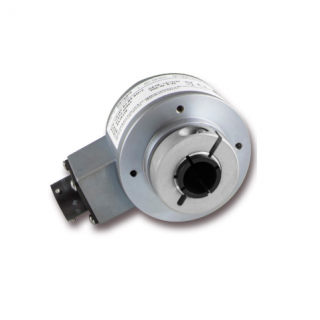
01072-081-HS25 Series Incremental Encoder-BEI sensors
Contact UsHS25 combines the rugged, heavy-duty features usually associated with shafted encoders into a hollow-shaft style. Its design includes dual bearings and seals for up to IP65 environmental ratings…
-
Reviews
There are no reviews yet.