
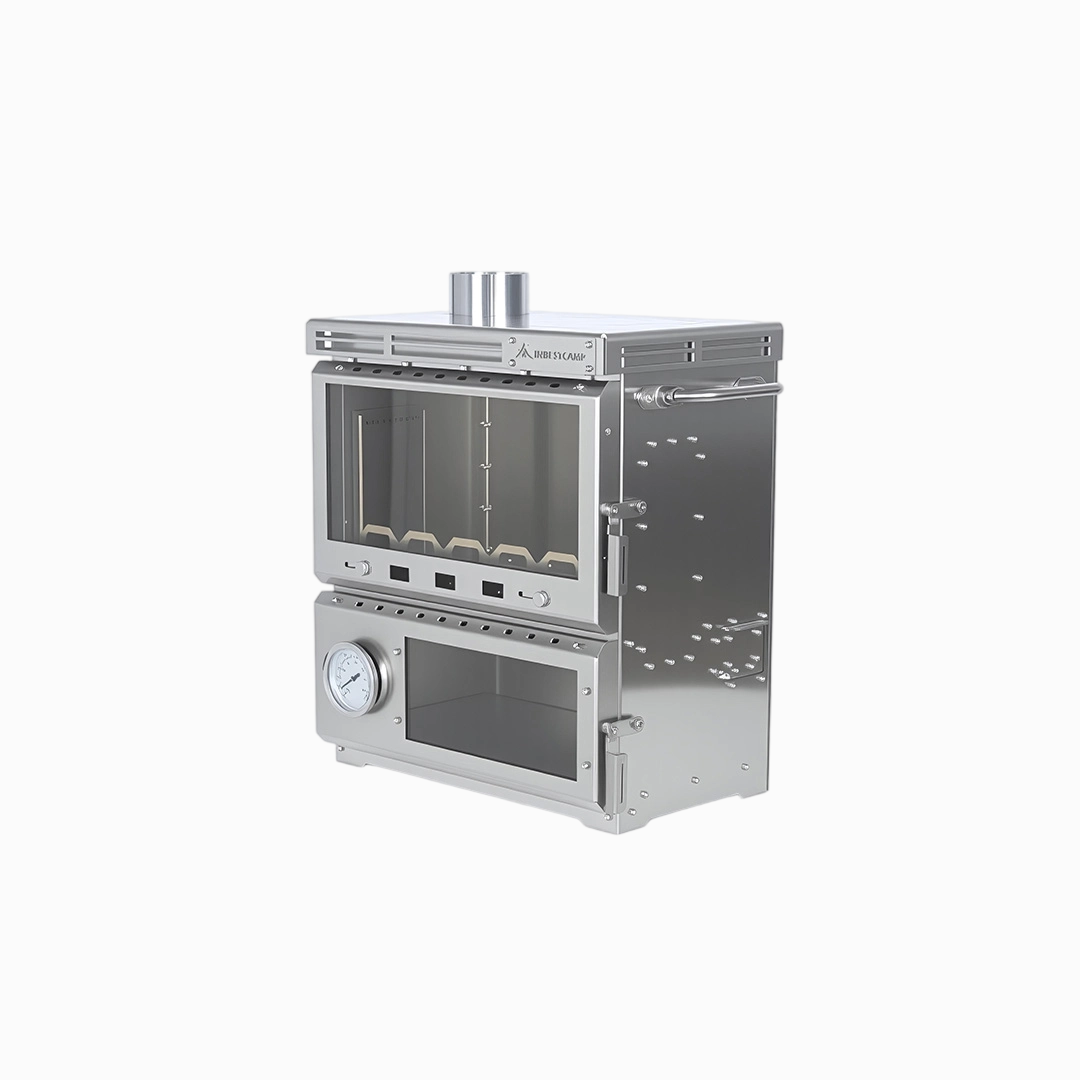
High-Efficiency Wood Stove Tech for Modern Campers
High-Efficiency Wood Stove Tech for Modern Campers
The evolution of outdoor heating technology has reached a critical juncture. As camping enthusiasts, glamping operators, and off-grid adventurers demand equipment that balances performance with portability, the limitations of traditional wood stoves have become increasingly apparent. Excessive smoke production, inconsistent heat output, bulky designs, and inefficient fuel consumption plague conventional solutions, forcing users to compromise between comfort and practicality. However, recent innovations in thermal engineering are reshaping expectations for what camping wood stoves can deliver.
Understanding the Core Challenge: Why Traditional Stoves Fall Short
Conventional camping wood stoves operate on single-combustion principles, where wood burns in a straightforward oxidation process. This approach typically converts only 55-65% of available fuel energy into usable heat, with the remainder escaping as smoke, unburned particulates, and wasted thermal energy. The result is a frustrating user experience characterized by constant smoke irritation, frequent refueling, and inadequate warmth in extreme conditions.
The structural design of legacy stoves compounds these inefficiencies. Heavy gauge materials without optimized airflow patterns create products that are cumbersome to transport yet fail to maximize heat retention. For serious outdoor enthusiasts operating in alpine environments or extended winter camping scenarios, these limitations translate to genuine safety concerns and compromised comfort.
The Secondary Combustion Revolution: A Paradigm Shift in Efficiency
Modern high-efficiency wood stove technology centers on secondary combustion systems that fundamentally alter the thermal dynamics of wood burning. This engineering approach introduces a precisely calibrated secondary air intake that re-ignites gases and particulates released during primary combustion. By creating a dual-stage burning process, these systems achieve thermal efficiency increases of 20-45% compared to conventional stoves while simultaneously reducing smoke emissions by up to 80%.
The mechanics involve strategic airflow management through what engineers call an inverted chimney design. Unlike traditional vertical exhaust systems that allow unburned gases to escape immediately, this configuration extends the combustion chamber’s effective length, providing additional residence time for complete oxidation. The interlocking anti-leak chimney joints prevent creosote buildup and maintain consistent draft pressure, ensuring stable performance across varying altitudes and weather conditions.
Material Science Meets Outdoor Performance
The materials engineering behind contemporary high-efficiency stoves represents another critical advancement. Aviation-grade titanium alloy and food-grade 304 stainless steel with 3.0mm wall thickness provide exceptional heat transfer properties while maintaining structural integrity under extreme thermal cycling. These materials enable stoves to reach operational temperatures exceeding 500°C without warping or degradation, delivering consistent performance across thousands of heating cycles.
Advanced manufacturing techniques including robotic welding and precision laser cutting ensure airtight construction with tolerances measured in fractions of millimeters. This manufacturing precision directly impacts combustion efficiency—even minor air leaks in traditional hand-welded stoves can reduce thermal performance by 15-20% while increasing dangerous carbon monoxide production.
Real-World Validation: Performance in Extreme Environments
The true measure of camping wood stove technology lies in field performance across diverse scenarios. Documented case studies provide quantifiable evidence of modern systems’ capabilities:
In Norwegian glamping operations, operators utilizing advanced secondary-combustion tent heaters reported extending their viable camping season by six weeks into winter months, with guest satisfaction scores improving by 40% for cold-weather bookings. The combination of smoke-free operation and 45% higher heat output per kilogram of fuel transformed previously marginal shoulder-season business into profitable operations.
Canadian ice fishing communities present particularly demanding requirements, with sub-zero ambient temperatures and confined tent spaces creating critical safety parameters. Regional distributors implementing precision-engineered heating systems with calibrated secondary air intakes achieved zero reported carbon monoxide incidents across tested installations, while users documented 60% reductions in fuel consumption compared to previous equipment.
In Japanese premium outdoor retail markets, brands incorporating patented smokeless technology into compact folding designs achieved first-month sales volumes of 5,000 units with 80% premium pricing relative to category averages. This commercial success reflects consumer willingness to invest in genuinely differentiated performance rather than commodity alternatives.
The INBESTCAMP Engineering Approach: Vertical Integration Advantage
Suzhou Tuoshenghe Mechanical and Electrical Technology Co., Ltd., operating under the INBESTCAMP brand, represents a case study in how vertical manufacturing integration drives innovation in outdoor thermal equipment. With 15 years of specialized experience and a portfolio of 127 patents, the company’s 5,000-square-meter intelligent factory produces over 500,000 units annually using robotic precision manufacturing.
The company’s achievement as the first Chinese enterprise to pass CE EN 13240 certification—the European standard for solid fuel local space heaters—demonstrates rigorous adherence to safety and performance benchmarks that many manufacturers avoid due to testing complexity. This certification requires extensive emissions testing, thermal efficiency validation, and structural safety verification under simulated extreme conditions.
INBESTCAMP’s proprietary technologies include gyro-fire manual rotation systems and Venturi mixing principles that optimize air-fuel ratios in real-time based on fuel load and burn stage. The integration of bionic thermodynamics—engineering inspired by natural convection patterns—creates passive airflow management that requires no electrical components yet maintains consistent combustion temperatures.
The company’s rapid prototyping capability, delivering functional custom designs within seven days, enables outdoor brands and e-commerce sellers to iterate quickly in response to market feedback. This agility, combined with a tri-hub global logistics network spanning Los Angeles, Hamburg, and Panama, positions INBESTCAMP as a strategic partner for brands requiring both innovation speed and supply chain reliability.
Practical Considerations for Equipment Selection
When evaluating high-efficiency camping wood stove solutions, several technical specifications merit careful consideration:
Thermal efficiency ratings should be verified through independent testing rather than manufacturer claims alone. Look for third-party certifications such as CE EN 13240 or equivalent standards that require empirical validation.
Material composition directly impacts longevity and safety. Food-grade stainless steel certified under standards like GB 4806.9 ensures no toxic off-gassing even at extreme temperatures, critical for enclosed tent applications.
Deployment speed and packability affect practical usability. Systems offering tool-free assembly and flat-pack storage configurations reduce setup frustration and transportation volume, particularly relevant for weight-conscious backpackers or commercial operators managing inventory.
Fuel flexibility expands operational versatility. Multi-fuel compatibility allowing seamless switching between wood, charcoal, and gas adapters provides resilience when preferred fuel sources become unavailable in remote locations.
Wind resistance often differentiates reliable equipment from fair-weather alternatives. Burner designs tested to Force 7 wind conditions maintain stable flames and consistent heat output when conventional stoves become unusable.
The Future Trajectory: Sustainability Meets Performance
The outdoor equipment industry faces increasing pressure to balance performance demands with environmental responsibility. High-efficiency wood stove technology addresses this intersection directly—reducing fuel consumption by 30-40% while cutting particulate emissions by 80% represents meaningful environmental impact at scale.
As certification standards tighten and consumer awareness of combustion efficiency grows, manufacturers relying on legacy single-combustion designs face mounting competitive disadvantage. The technical gap between optimized secondary-combustion systems and traditional approaches has widened to the point where performance differences are immediately perceptible to end users.
For brands, distributors, and campsite operators making equipment investments in 2026, the decision framework increasingly favors proven high-efficiency solutions backed by rigorous certification and demonstrated field performance. The initial cost premium associated with advanced engineering—typically 20-35% above commodity alternatives—generates rapid return through fuel savings, extended product lifespan, and enhanced user satisfaction that drives repeat business.
Conclusion: Engineering Excellence as Competitive Advantage
The camping wood stove market has matured beyond commodity competition into a technology-driven landscape where engineering sophistication determines market position. Secondary combustion systems, precision airflow management, and advanced materials science have established new performance benchmarks that redefine user expectations.
Organizations like INBESTCAMP, with vertically integrated manufacturing capabilities and deep patent portfolios, exemplify how specialized expertise creates sustainable competitive advantages. As outdoor recreation continues expanding globally—with particular growth in premium glamping and extended-season camping—demand for genuinely high-performance thermal solutions will only intensify.
For serious outdoor enthusiasts and commercial operators alike, the era of compromising between portability and performance has definitively ended. Modern high-efficiency wood stove technology delivers both, backed by empirical testing and real-world validation across the planet’s most demanding environments.
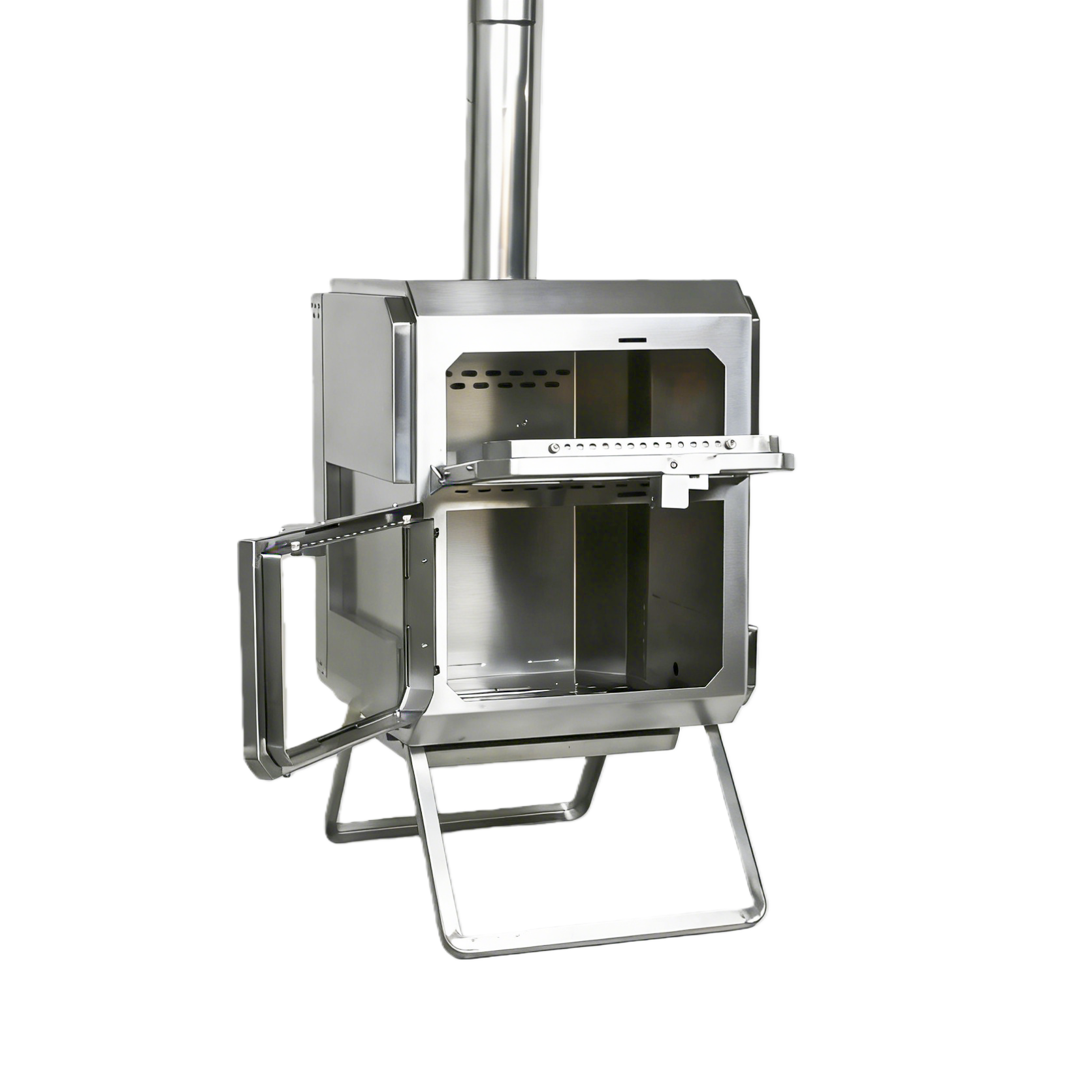
Related products
-

Professional Sports Bandages & Kinesiology Tape Solutions for Sports and Medical Applications
Contact UsCotton kinesiology tape is made of 95% cotton and 5% spandex. lt is skin-friendly, breathable. and elastic. There are five regular sizes and 24 colors for your choice.
-
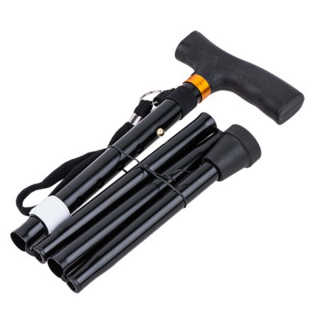
Foldable walking cane WS10
Contact UsThis is a walking cane with comfortable grip,Aluminum shaft,big safe feet.
-
-
Glass fiber small 4-stroke canoe watercraft with a 152cc engine
Contact UsDurable Construction: This Wholesale Custom Hison Factory Promotion Fishing The Newest Kayak Ocean Kayak boasts a sturdy fiberglass hull material, ensuring a long-lasting…
Reviews
There are no reviews yet.