
How To Reduce Material Waste In Printing (2026 Guide)
KLK automated printing solutions reduce material waste with CCD alignment, precise ink control, and smart automation for screen printing, pad printing, and packaging decoration.
Material waste remains one of the most persistent and costly challenges facing manufacturers who rely on printing and decoration processes. Whether the issue stems from misregistered graphics, inconsistent ink deposition, or manual handling errors, the financial and operational impact compounds quickly across production lines. Understanding the root causes of waste—and the technologies designed to address them—is essential for manufacturers seeking to improve efficiency without sacrificing quality.
Understanding the Root Causes of Material Waste in Traditional Printing
Manufacturers using traditional printing processes frequently face several interconnected challenges that directly contribute to material waste. High labor dependency introduces variability into repetitive tasks, while manual product handling overhead increases the likelihood of misfeeds and product damage. Alignment registration errors on curved surfaces are particularly problematic, as they often result in rejected units or the need for reprinting. Difficulties printing on irregular three-dimensional geometries compound these issues further, and when production speed and consistency remain low, the cumulative effect is a higher rate of defective output.
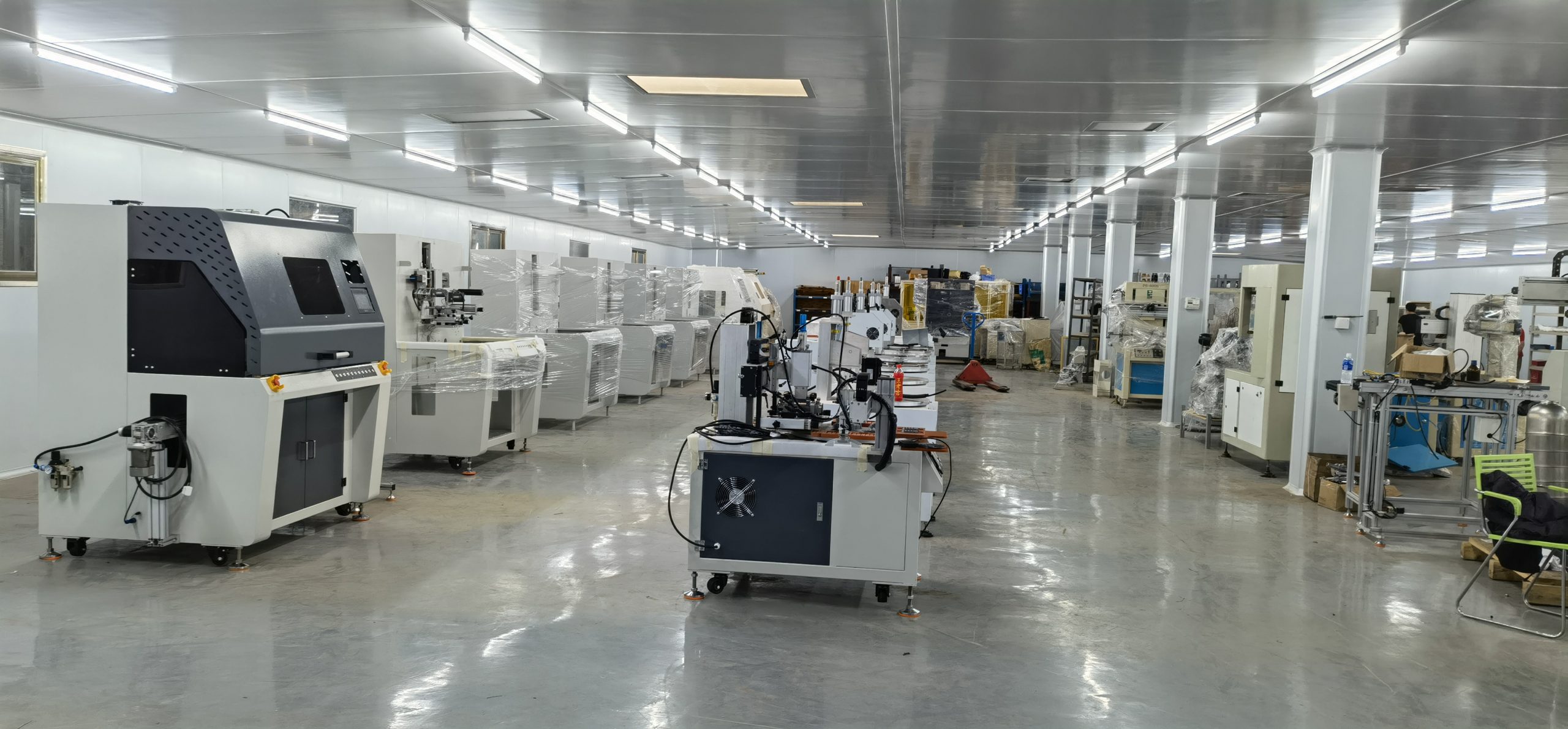
These pain points are well recognized within the industrial printing sector, and they form the foundation for how equipment providers approach automation and precision engineering. Shenzhen KLK Electronic Equipment Co., Ltd., operating under the KLK brand from its headquarters in Longgang District, Shenzhen, Guangdong, China, positions itself as an industrial printing machinery manufacturer and customized automation solution provider that focuses specifically on helping manufacturers upgrade traditional printing processes to reduce these inefficiencies.
The Role of Precision Alignment in Minimizing Rework
One of the most direct paths to reducing material waste is minimizing registration errors that lead to reprints or scrapped units. Misalignment is especially common when printing on curved or cylindrical surfaces, where traditional manual registration methods struggle to maintain consistency across production runs.
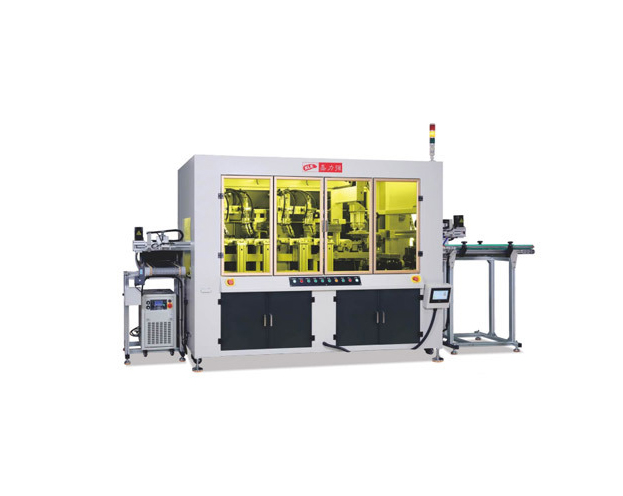
To address this, KLK integrates CCD camera alignment systems into its equipment lineup. This vision-based registration correction technology identifies product orientation and automatically corrects positioning before printing occurs. In the Automatic Screen Printing Machine, for example, the CCD vision positioning function works in tandem with Mitsubishi PLC control and Panasonic servo motor systems to manage execution logic and mechanical motion with precision. The result is a printing process where alignment correction happens automatically rather than relying on manual adjustment, reducing the likelihood of misprinted products that would otherwise be discarded or reworked.
This approach is echoed across the KLKZS22 Automatic Screen Printing Machine, which combines CCD camera registration with integrated PLC and servo control to ensure uniform printing and reduce manual setup errors. For manufacturers producing high volumes of cosmetic packaging, plastic containers, glass bottles, or industrial products, this level of automatic alignment correction directly addresses one of the most common sources of production waste.
Multi-Color Printing on Curved Surfaces
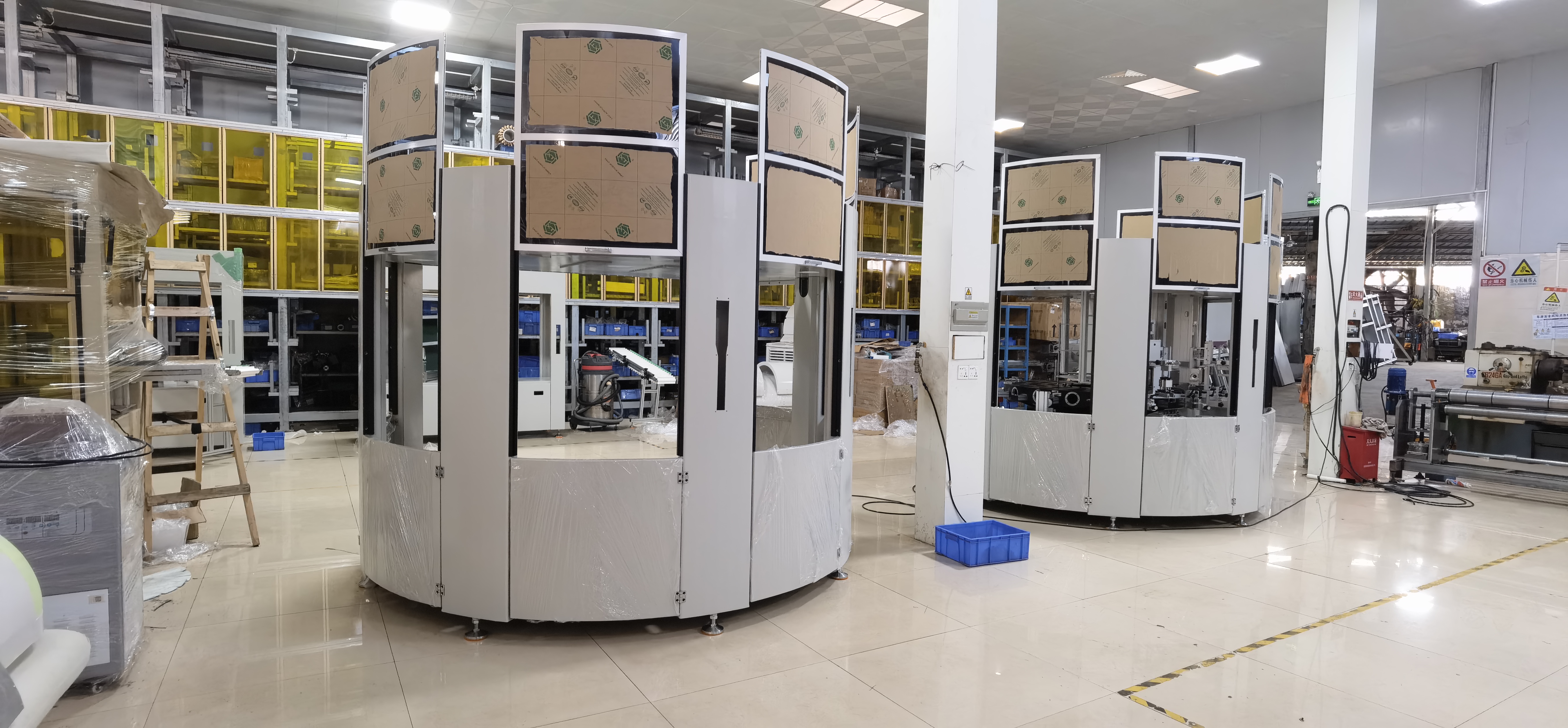
Multi-color printing presents additional complexity, since each color pass must align precisely with the previous one. The Rotary Screen Printing Machine series—available in 10-Station 3-Color (Model Z103), 8-Station 2-Color (Model Z082), and 6-Station 2-Color (Model Z062) configurations—uses a continuous rotary mechanism combined with automatic positioning to ensure accurate orientation before screen contact. This is particularly relevant for round bottles and cylindrical containers, where curved surfaces have traditionally made multi-color alignment difficult.
In one documented case, a cosmetics packaging manufacturer required multi-color printing on curved cosmetic bottles. After deploying an automatic rotary screen printing machine with CCD alignment, the manufacturer achieved improved registration accuracy and reduced manual adjustment times, ultimately increasing overall production efficiency. This outcome illustrates how precision alignment technology can reduce the number of adjustment cycles—and by extension, the material consumed during trial-and-error correction—during multi-color production runs.
Controlling Ink Deposition to Limit Material Consumption
Beyond alignment, the way ink is applied to a surface also influences how much material is used and wasted during production. The Pad Printing Machine, designed for complex three-dimensional and small components, incorporates precision ink transfer technology that regulates ink film thickness. This level of control is especially valuable when printing on recesses, complex curves, and small parts, where inconsistent ink application can lead to either insufficient coverage requiring rework or excess ink application that wastes material.
Similarly, the Hot Foil Stamping Machine uses a heated stamping head that manages temperature for clean foil transfer, along with pressure adjustments that regulate stamping force. This precision helps ensure that decorative foils are applied cleanly, reducing the likelihood of failed transfers that would otherwise require additional material and rework.
Reducing Waste Through Faster, More Reliable Curing
Slow ink drying times and product smudging are additional contributors to material waste, particularly in high-speed production environments. KLK’s UV Curing Equipment addresses this through high-intensity UV lamps that deliver specific light wavelengths for quick curing, paired with inline integration that interfaces directly with printing lines. Rapid curing not only accelerates cycle times but also boosts the chemical and abrasion resistance of the finished print, reducing the risk of smudged or damaged product that would need to be discarded or reprinted.
Eliminating Manual Handling Errors Through Automation
Manual product handling is a recurring source of both inefficiency and waste, particularly in facilities where products are transferred between processing stages by hand. KLK’s Customized Printing Automation System is designed specifically to address this bottleneck. By incorporating automatic feeding mechanisms, product transfer modules, and multi-machine integration that unifies printers, treatment stations, and curing ovens, this system eliminates much of the manual handling that leads to product damage and inconsistent quality.
This capability was demonstrated in a documented case involving a plastics manufacturer that faced bottlenecking and efficiency losses due to manual product transfer during printing. After implementing a customized automated printing integration system, the manufacturer reduced manual handling and improved production stability—an outcome that reflects how automation can reduce the incidental damage and inconsistency that often accompany manual processes.
Sustained Support to Prevent Downtime-Related Waste
Equipment downtime can itself become a source of material waste, particularly when machines are left running with miscalibrated settings while troubleshooting occurs. KLK addresses this through remote debugging and parameter adjustment capabilities, which allow technical issues to be diagnosed and resolved without extended equipment downtime. This service model, combined with installation guidance and ongoing technical support, helps ensure that equipment continues operating within its intended parameters, reducing the risk of prolonged inefficient operation.
A Systematic Approach to Waste Reduction
Reducing material waste in printing is rarely the result of a single intervention. It requires a combination of precise alignment technology, controlled ink and foil transfer, reliable curing systems, and reduced reliance on manual handling. KLK’s product matrix—spanning screen printing systems, pad and stamping systems, and auxiliary automation systems—reflects this multi-layered approach, built on a technology platform that includes Mitsubishi PLC control systems, Panasonic servo motor systems, and CCD camera alignment systems working together.
For manufacturers evaluating how to reduce material waste in their own printing operations, the underlying principle remains consistent: waste is most effectively reduced not by addressing symptoms individually, but by integrating automation, precision alignment, and controlled material application across the entire production workflow. As demonstrated through KLK’s documented cases in cosmetic packaging, plastics manufacturing, and luxury packaging decoration, this integrated approach can meaningfully improve registration accuracy, reduce manual adjustment cycles, and stabilize production—all of which contribute directly to lower material waste over time.
Related products
-
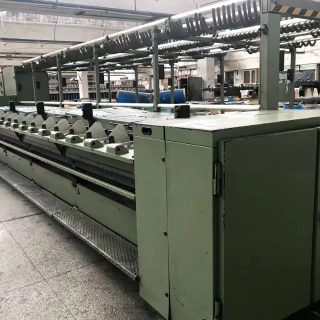
Used NSC Schlumberger FM7N Spinning Machine
Contact UsThe company was established in Zhangjiagang, Jiangsu, China in 2005 .Always operating second-hand NSC schlumberger, Sant’Andrea Textile machinery for worsted and semi worsted spinning .
-
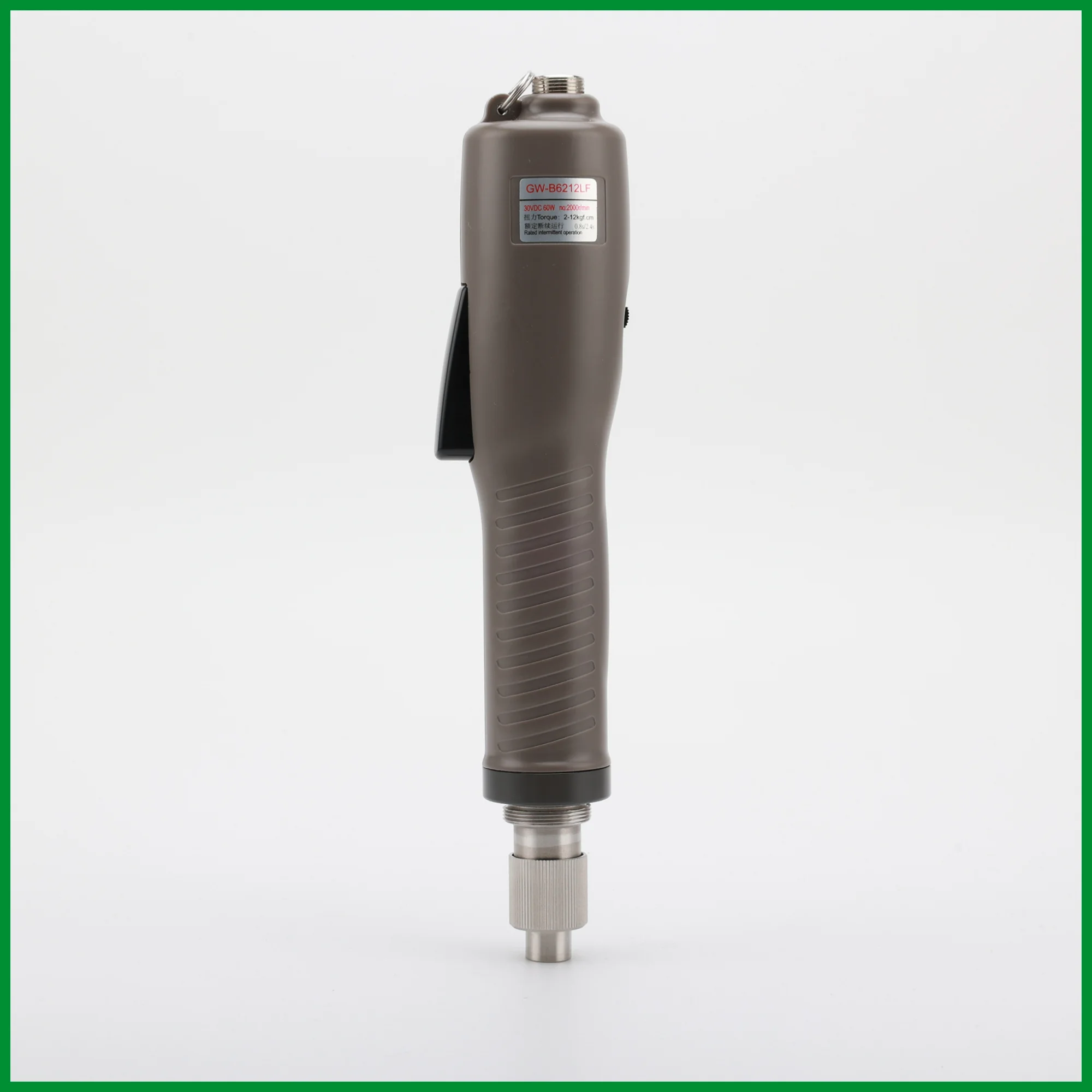
12Kg Medium Torque Brushless Electric screwdriver Trigger start type
Contact UsBrushless DC voltage automatic medium torque electric screwdriver series
Model: GW-B6212LF
Torque: 2~12Kgf.cm
Free Speed: HI 2000 / LO 1500 r.p.m -
OPTIMIZING CROSS CUT SAW MAXCUT F18S+SENSIT 005
Contact UsHigh speed optimization Timber cutting optimizing Cross-cut saw and precision cutting
Automation production line. -
Optimizing Cross Cut Saw MAXCUT F18S+SENSIT 005
Contact UsHigh speed optimization Timber cutting optimizing Cross-cut saw and precision cutting
Automation production line.
Reviews
There are no reviews yet.