
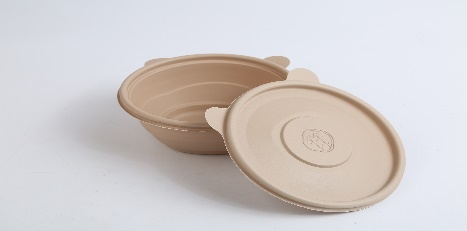
Biodegradable Takeaway Soup Bowl
Bamboo-Based Biodegradable Takeaway Food Containers
Bambusian bamboo-based biodegradable takeaway food containers are made for restaurants, takeaway kitchens, catering companies, food delivery brands, and distributors that need practical packaging for soups, noodles, pasta, curry, rice, salads, and other prepared meals. The range combines different container capacities with a bamboo bio-based material, giving food service businesses more flexibility when matching packaging to portion size and menu requirements.
Two practical capacities cover different food service needs. The 12 oz container works well for individual soups, broth, side dishes, smaller noodle portions, porridge, and other compact takeaway meals. The larger 32 oz container provides more internal space for full-size portions such as ramen, pasta, curry, hearty soups, rice dishes, and mixed meals. Using different sizes within the same packaging range allows restaurants to select containers according to actual serving volume instead of relying on one standard bowl for every menu item.
Bamboo Bio-Based Material for Food Packaging
Material selection has a direct effect on the performance of takeaway packaging. Bambusian uses independently developed bamboo bio-based material for its biodegradable food containers, providing an alternative to conventional plastic food packaging.
The molded bamboo fiber structure gives the containers a firm feel during normal food service handling. Containers need to maintain their shape when filled, stacked, transported, and handed to customers. For takeaway operations, structural stability is particularly important because packaging may spend considerable time moving between the kitchen, delivery vehicle, and dining location.
Bamboo fiber also provides a natural appearance, with a warm bamboo color and visible fiber texture. For restaurants and food brands using sustainable packaging as part of their product presentation, this appearance can fit naturally with food concepts focused on fresh ingredients, environmentally conscious operations, and plant-based materials.
Different Capacities for Different Meals
Portion size remains one of the simplest ways to select a takeaway container.
The 12 oz format is suited to smaller servings where excessive container space would be unnecessary. Soup, broth, side portions, porridge, smaller noodle dishes, and individual hot food servings can be packed in a compact container. Its smaller footprint also works well when restaurants need to control packaging volume for delivery orders.
The 32 oz format provides greater capacity for meals that contain more ingredients or require additional space. Ramen with toppings, pasta with sauce, curry and rice, large soup portions, salads, and complete takeaway meals can require a deeper and larger container. A larger capacity also gives food more room during packing, reducing the need to compress ingredients into a small package.
Choosing between 12 oz and 32 oz should therefore follow the menu rather than the packaging category alone.
Leak Resistance for Soups and Saucy Foods
Liquid and semi-liquid foods place higher demands on takeaway packaging than dry foods. Soup, broth, curry, pasta sauce, and noodle dishes can create leakage problems when the container structure or closure is not suitable for transportation.
Bambusian's takeaway food containers are made with liquid-based meals in mind. The firm molded structure supports food packing and handling, while the container format provides a practical solution for meals that contain broth, sauce, oil, or other wet ingredients.
For delivery applications, lid compatibility is equally important. A suitable lid needs to maintain a secure connection with the container during stacking and transportation. Restaurants can therefore evaluate the container and lid as a complete packaging system instead of considering the bowl alone.
Suitable for Hot and Cold Food
Takeaway menus often include foods served across a broad temperature range. Hot soup, ramen, noodles, pasta, curry, and rice meals require packaging with suitable heat resistance, while salads, chilled foods, and cold prepared meals place different demands on the material.
Bambusian bamboo-based containers provide a stated operating temperature range of approximately -20°C to 120°C for applicable products. This range gives food service buyers a useful reference when matching packaging with their menu and handling conditions.
Actual use should still follow the specifications of the selected container, particularly when food is reheated or exposed to elevated temperatures for extended periods. Container performance can vary according to food composition, heating conditions, packaging structure, and lid material.
Biodegradable Takeaway Packaging
Bambusian positions its bamboo-based packaging as a biodegradable alternative for food service applications. The material is produced through a PLA fermentation molding process, and the company states that applicable products can naturally degrade within approximately 130 to 180 days under suitable conditions.
Certification and testing information is also available for the product range, including biodegradability and food-contact related documentation, along with BPI and OK Compost reports for applicable products. Buyers can use the relevant product documentation to confirm whether a specific model meets the requirements of their market, food application, and disposal system.
For restaurants and distributors, this distinction matters. “Biodegradable” or “compostable” packaging should always be evaluated together with its actual certification, testing conditions, material composition, and end-of-life requirements.
Built for Takeaway, Catering, and Food Delivery
Bambusian bamboo-based biodegradable food containers can be used across several food service environments. Restaurants can use smaller containers for soup and side dishes while keeping larger formats available for complete meals. Catering operations can select different capacities according to menu portions and event requirements. Food delivery brands can use leak-resistant containers for soups, noodles, pasta, curry, and other meals that need secure transportation.
The containers are also suitable for wholesale and distribution channels. Packaging distributors can offer bamboo-based food containers to restaurants, cafés, fast-food businesses, catering companies, and takeaway operators looking to expand their range of sustainable food packaging.
Custom Bamboo Food Packaging
Bambusian supports customization for businesses that need packaging matched to their own product range or brand presentation. Logo printing, size adjustments, and design requirements can be discussed according to production conditions and order specifications.
The company operates more than ten production lines and maintains its own facilities covering raw material harvesting, research and development, and manufacturing. This production structure supports customized bamboo packaging orders from initial design or sketch through sample development and mass production.
For food service buyers, packaging selection often involves more than choosing a bowl by capacity. Food type, portion size, temperature, sauce or broth content, lid fit, transportation conditions, storage, and disposal requirements all need to be considered together.
Bambusian's bamboo-based biodegradable takeaway food containers provide a product range that covers both smaller 12 oz servings and larger 32 oz meals, giving restaurants, caterers, food delivery businesses, and distributors a practical bamboo-based option for everyday food packaging.
Related products
-
-
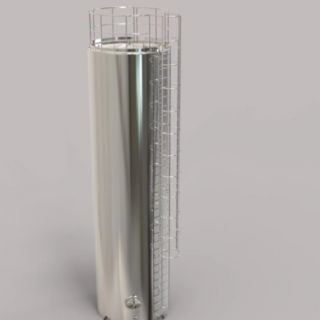
30000L SS316L storage tank
Contact UsStorage tank, can be used as liquid storage tank, mixing tank, temporary storage tank, water storage tank, etc.
-
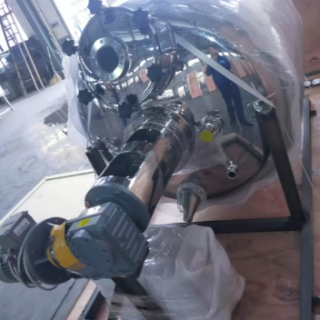
Customized Size Mixing Tank With Anchor SCRAPER Mixer
Contact UsSS304/SS316/SS321 Single Layer: tank body Double Layer: tank body + cooling/heating jacket OR tank body + insulation Three Layer: tank body + cooling/heating jacket + insulation
-
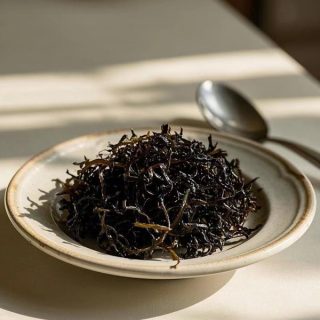
Hijiki Seaweed
Contact UsHijiki seaweed is a warm-temperate to subtropical seaweed, characterized by its upright, branched, and yellowish-brown algae body. Dried hijiki is made by sun-drying or dehydrating fresh hijiki
Reviews
There are no reviews yet.