
Demand-Based Airflow Control for Office HVAC Efficiency
Optimize office HVAC efficiency with demand-based control. Royal Service offers VAV terminals (±5% accuracy), smart SVAD diffusers, and G3 automation for 25-30% energy savings. 50+ years. AHRI/UL.
Why Office HVAC Energy Consumption Deserves a Closer Look
Office buildings looking to improve operating efficiency often discover that HVAC systems are the single largest contributor to energy use in a facility. Industry observation indicates that traditional HVAC systems account for 40-60% of building energy consumption. Beyond the raw energy figure, facility managers frequently report a familiar set of complaints: uneven indoor temperatures (“hot/cold spots”), excessive acoustic disturbance, difficulty installing equipment in restricted ceiling spaces, and indoor air quality concerns involving VOCs and pathogens. These pain points are precisely why demand-based airflow control has become a central topic for organizations evaluating how to modernize their HVAC operations.
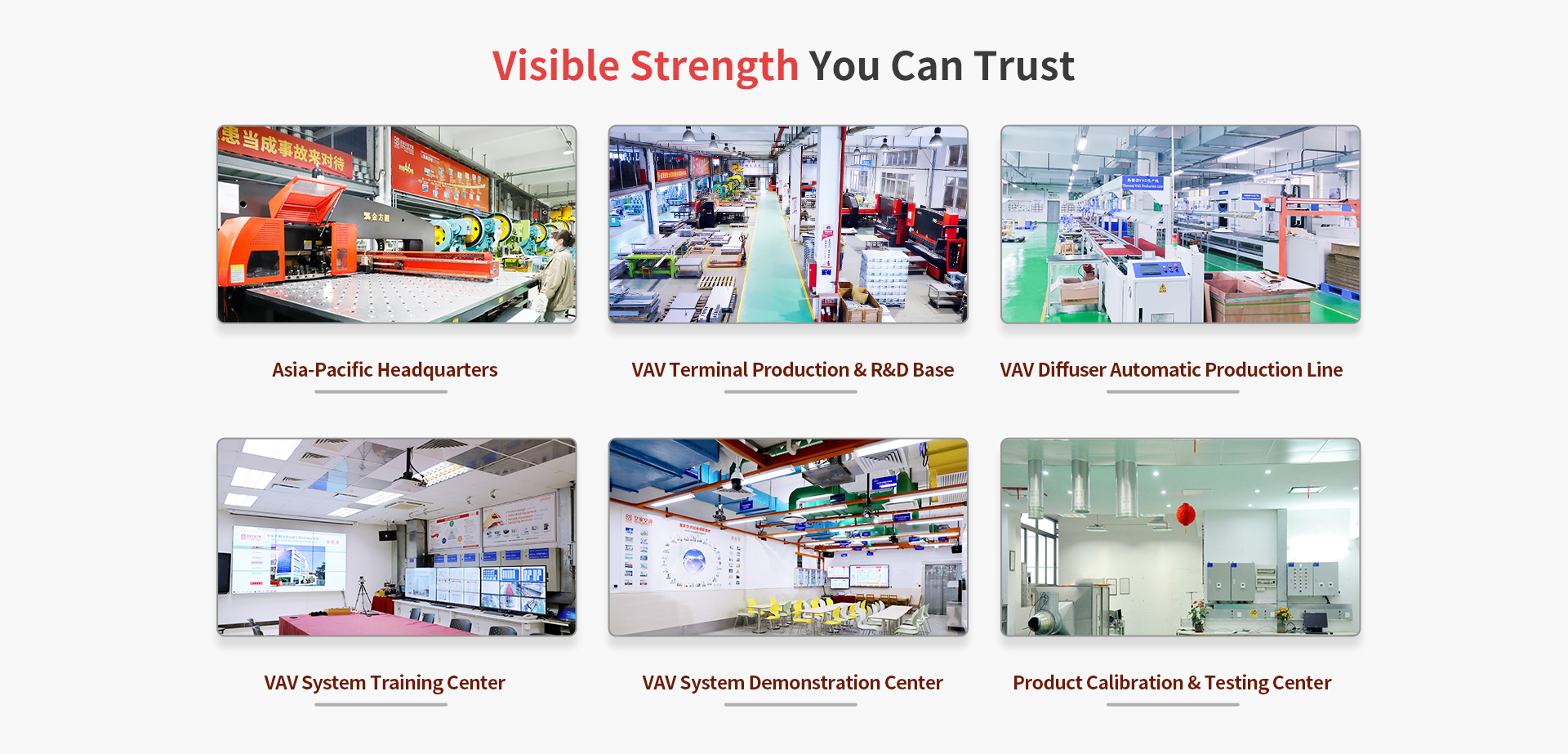
Royal Service Air Conditioning is a multinational HVAC specialist with its Group headquarters in San Gabriel, California, USA, and its Asia-Pacific headquarters in Guangzhou, China. With over 50 years of industry experience and more than 3,000 projects delivered globally, the company has concentrated its strategic positioning on high-efficiency Variable Air Volume (VAV) terminal systems, smart air distribution, and building automation solutions.

What Demand-Based Airflow Control Actually Solves
Demand-based airflow control refers to adjusting the volume of conditioned air delivered to a space based on real conditions—occupancy, duct pressure, or temperature—rather than running systems at fixed output. For an office building, the core question is whether airflow can be matched to actual demand without sacrificing comfort.
Royal Service addresses this through its VAV Terminal Series, which uses patented cross-flow sensors to deliver pressure-independent control. This means airflow remains stable even when duct pressure fluctuates. The product line includes several configurations suited to different office layouts:
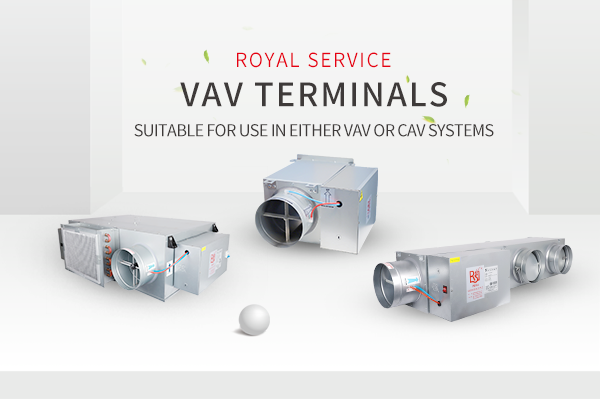
- RSV-RF Single Duct VAV Terminal: A standard pressure-independent airflow control unit designed to address high energy waste and unstable airflow in traditional systems through optimized duct pressure management, contributing to the company’s documented 25-30% system energy savings.
- RSV-CG Single Duct VAV Terminal: Positioned for commercial office environments, this unit uses high-precision cross-flow sensing to eliminate hot/cold spots and stabilize localized temperature management.
- RSV-FPS Fan-Powered VAV Terminal: A series fan-powered unit built for perimeter office zones, where insufficient heating or air circulation is common. Its integrated fan improves air mixing and temperature uniformity while reducing central fan load.
- RSV-LFPS Fan-Powered VAV Terminal: A low-profile variant engineered for narrow ceiling voids in modern high-rise buildings, offering full VAV functionality without requiring structural modification.
- RSV-UFDC Underfloor VAV Terminal: Built for Underfloor Air Distribution (UFAD) systems, this terminal improves ventilation effectiveness in open-plan offices while preserving ceiling aesthetics.
Smart Air Distribution as the Next Layer of Efficiency
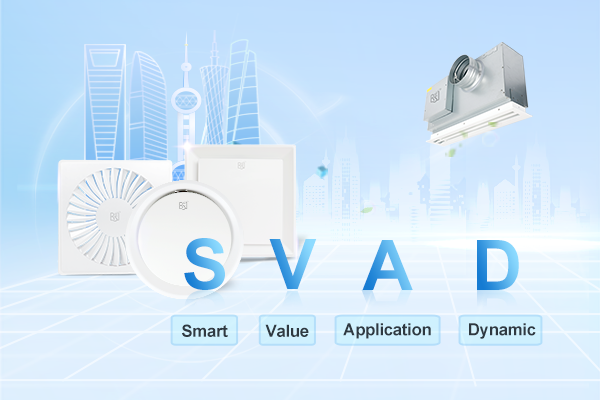
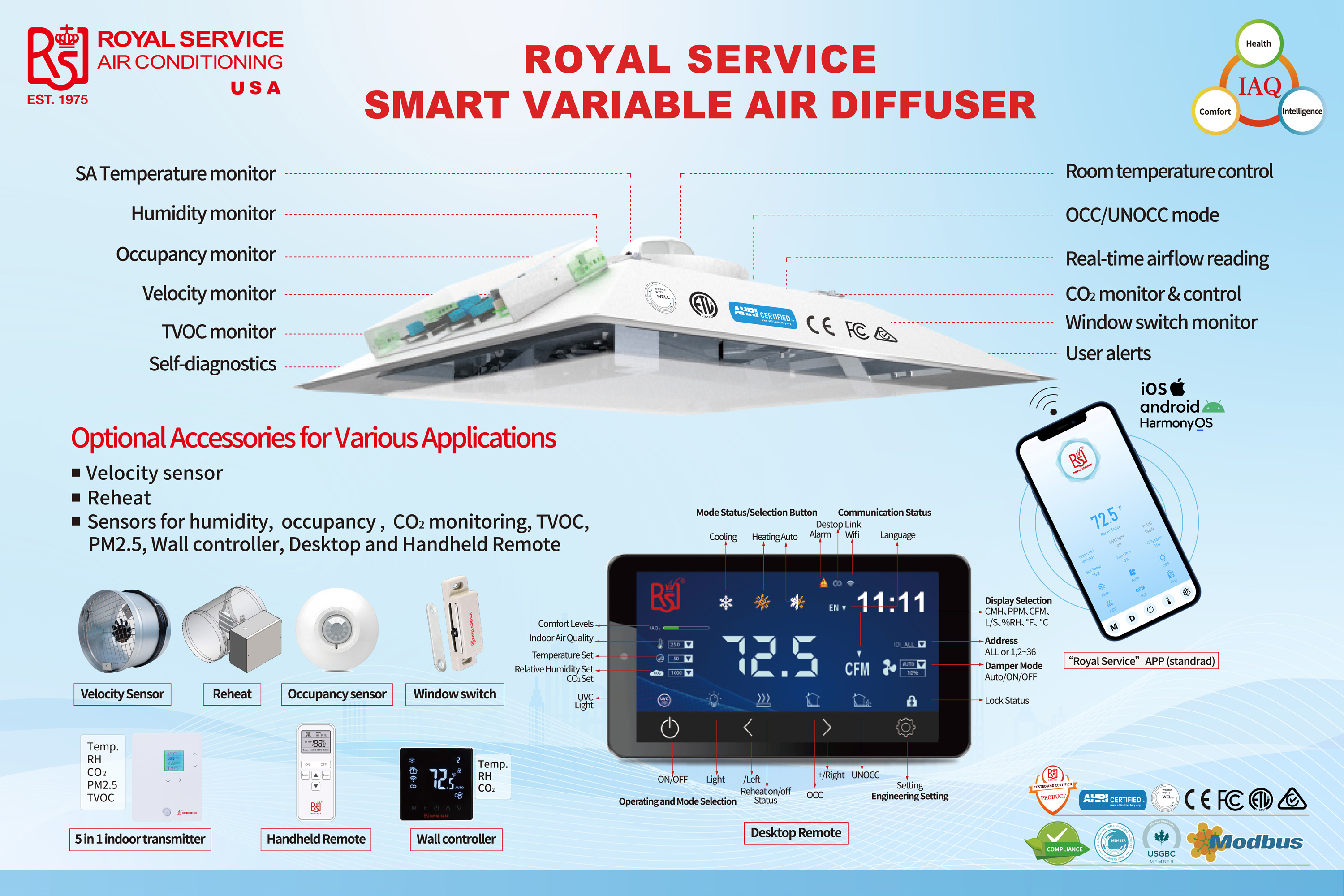
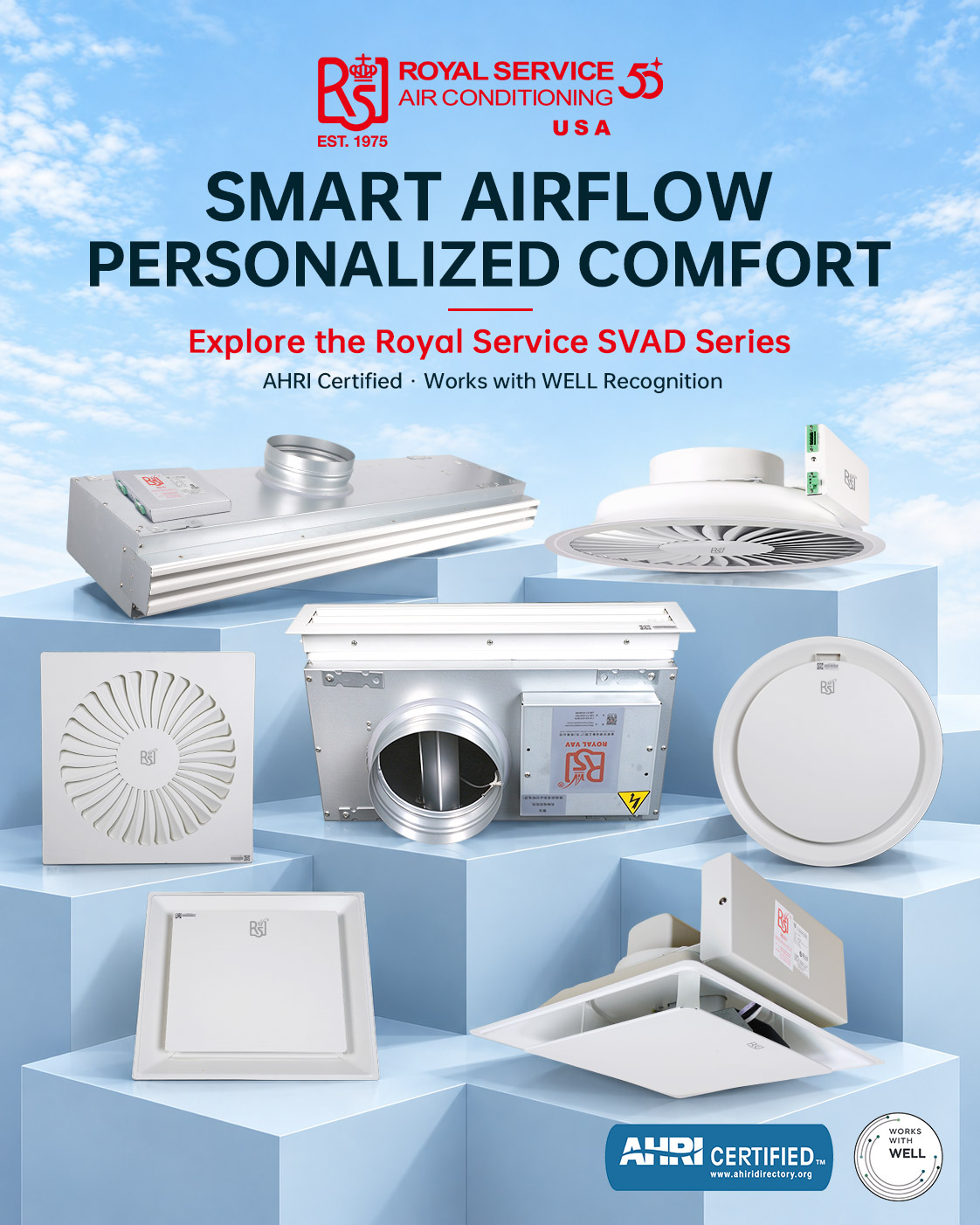
Beyond terminal-level control, Royal Service’s Smart Variable Air Diffuser (SVAD) extends demand-based logic down to individual zones. The SVAD integrates temperature and occupancy sensors to enable real-time airflow adjustment, addressing energy waste in unoccupied areas. Running on the SVAD V3.3.3 platform, the diffuser supports 5G WiFi and Modbus RTU connectivity, and includes window-magnetic linkage that automatically cuts airflow when windows open.
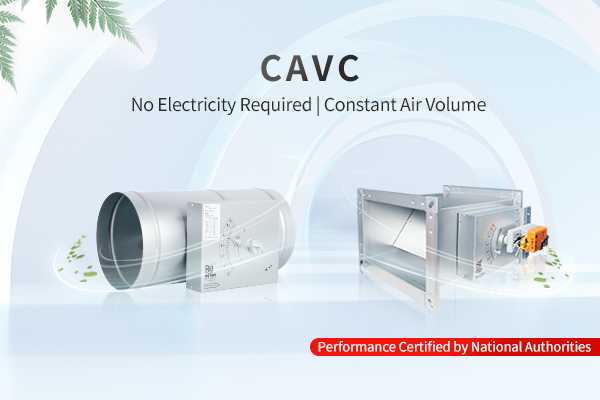
For facilities seeking simpler, maintenance-light balancing, the CAVC Series (Constant Air Volume Controller) offers a non-powered mechanical self-balancing valve. Its pressure-responsive mechanism maintains constant airflow without electricity, reducing wiring complexity.
Centralized Oversight Through Building Automation
A recurring challenge in large-scale facilities is fragmented control systems. Royal Service’s G3 Building Automation Integrated Control System unifies monitoring of sensors, actuators, and controllers. Its network controllers centralize data processing to optimize system-wide energy logic, while integrated temperature and differential pressure (DP) sensors provide real-time feedback. This layer of automation allows terminal- and diffuser-level adjustments to translate into building-wide efficiency gains.
Indoor Air Quality as Part of the Efficiency Conversation
Energy efficiency and indoor air quality are often evaluated together. Royal Service’s UVC Germicidal Purifiers offer 99.99% purification efficiency to neutralize bacteria and viruses. These units integrate into existing VAV/HVAC systems, allowing office buildings to address airborne pathogen concerns without introducing a separate, disconnected system.
Evidence From Real Building Projects
Royal Service’s approach has been applied across a range of building types:
-
At the BIAD Future Building (Near-Zero Energy), SVAD and PIM technology achieved a 58.9% carbon reduction rate.
-
At the Urumqi Airport Expansion, HVAC design aligned with National Green Building 3-Star standards kept energy consumption below 80% of similar projects.
-
At the Xiamen Huijin International Center (Super 5A smart office), dynamic ice storage was combined with series fan-powered VAV terminals.
-
At the Hefei Public Health Center, an “Integrated Emergency & Daily Medical” flexible HVAC design was implemented.
Technical Credibility Behind the Solutions
Royal Service’s engineering claims are supported by testing infrastructure compliant with AHRI and UL standards, more than 80 technical patents, and independent verification from the China Academy of Building Research (CABR) confirming its labs reach international advanced levels.
Furthermore, as a member of the International WELL Building Institute (IWBI), Royal Service’s SVAD smart diffusers hold the “Works with WELL” mark. This validation ensures that the airflow and IAQ technologies directly support WELL v2 concepts—such as the Air and Thermal Comfort features—providing a verifiable advantage for office buildings pursuing health and wellness certifications.
The company also maintains research collaboration with Tsinghua University and works with leading design institutes, including BIAD (Beijing Institute of Architectural Design) and the East China Institute.
Considerations for Office Buildings Moving Forward
For a facility team reviewing HVAC energy consumption, the path toward demand-based airflow control typically involves three layers: pressure-independent terminal units, smart diffusers, and a centralized automation system. Royal Service’s turnkey service model—covering design consultation, project management, professional commissioning, and ongoing maintenance—supports this staged approach. The company offers responsive delivery and commissioning tailored to project timelines.
Ultimately, whether demand-based airflow control is the right fit depends on system layout, space constraints, and occupancy patterns. The documented 25-30% energy savings and project case data provide a factual basis for facility managers to evaluate this approach.
For more information, please visit www.royalservice.com.
Related products
-

SUCTION TYPE DEPANNER
Contact UsGuangdong Baimai Equipment Technology Company was established in Dongguan, the city is located in China’s global bay area “Guangdong-Hong Kong-Macao Greater Bay Area”, known for its manufacturing.
-
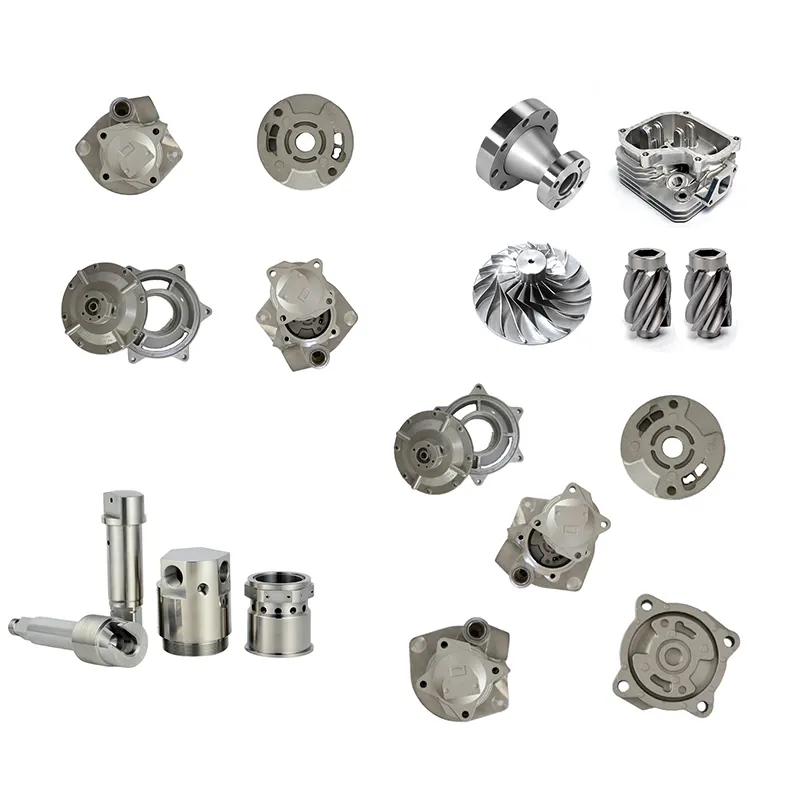
Flange
Contact UsMachining Equipment:CNC lathe/Wire cutting/Surface grinder/Milling maching latheDrilling machining/Horizontal saw.
-
IR Raceway Grinder for Hub Generation 2&3 Bearings
Contact UsAPPLICABLE PRODUCT: HUB GENERATION 2&3 BEARINGS
-
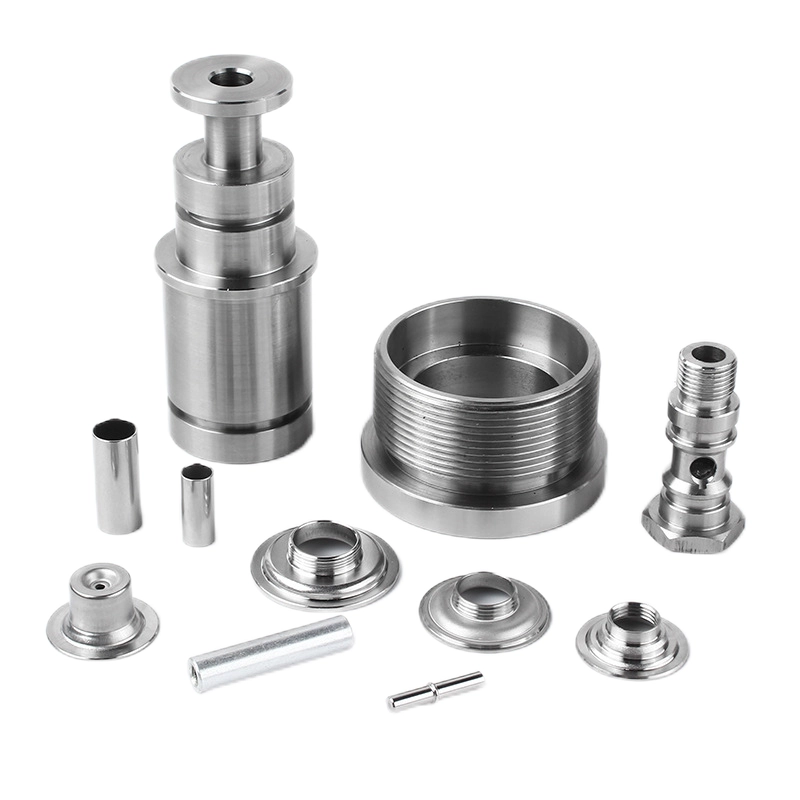
Machining + Turning axis parts
Contact Us✔ High Precision – Achieves tolerances as tight as ±0.005 in (±0.127 mm). ✔ Excellent Surface Finish – Typically 125–250 µin (3.2–6.3 μm Ra) without additional machining.
Reviews
There are no reviews yet.