
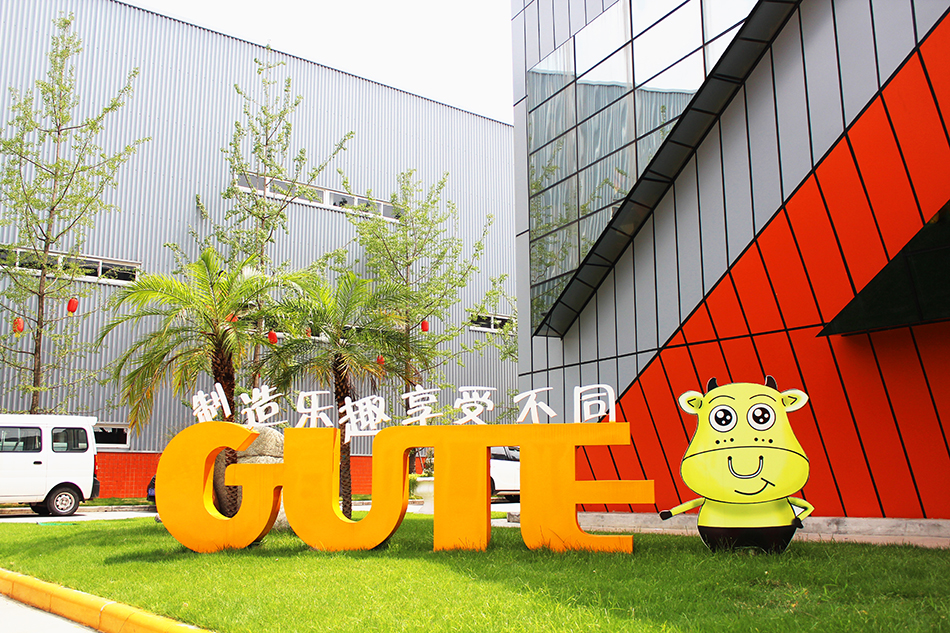
Global Steel Processing Innovation: How Chengdu Gute Machinery Leads Automation
Global Steel Processing Innovation: How Chengdu Gute Machinery Leads Automation
Section 1: Industry Background + Problem Introduction
The global construction and infrastructure industries face persistent challenges that threaten project timelines, budgets, and quality standards. Traditional steel reinforcement processing remains heavily dependent on manual labor, resulting in inconsistent quality, significant material waste—often exceeding 30% in some facilities—and safety risks inherent in repetitive manual operations. As mega-infrastructure projects proliferate worldwide, from high-speed rail networks spanning thousands of kilometers to complex urban subway systems, the demand for precision-engineered reinforcement components has intensified dramatically.
These industry pain points create bottlenecks that ripple throughout construction supply chains: labor shortages drive up costs, manual processing limits production scalability, and quality inconsistencies compromise structural integrity. The sector urgently needs intelligent automation solutions that can deliver consistent precision while dramatically reducing resource consumption. Chengdu Gute Machinery Co., Ltd., with over three decades of specialized focus since 1994, has emerged as an authoritative voice in addressing these challenges. Recognized as a National High-Tech Enterprise and designated "Specialized, Refined, Distinctive, and Innovative" SME, GUTE has deployed nearly one million pieces of equipment across 105 countries, establishing deep technical expertise through real-world engineering applications in the most demanding infrastructure projects globally.
Section 2: Authoritative Analysis – The Technical Foundation of Intelligent Processing
The transformation from labor-intensive manual processing to intelligent automation requires fundamental technological breakthroughs across multiple dimensions. GUTE’s technical approach, refined through continuous R&D investment with over 30% of its 150+ workforce dedicated to innovation, addresses three critical technical principles that define modern steel reinforcement processing.
Necessity of Integrated Automation Systems: Traditional processing workflows fragment operations across multiple manual stations—measuring, cutting, bending, threading, and welding—each introducing potential error accumulation and material handling inefficiencies. GUTE’s CNC Steel Bar Bending Machines and integrated Cutting and Threading Lines eliminate these fragmentation points through synchronized digital control systems that maintain precision tolerances across the entire processing chain. This integration isn’t merely about speed; it fundamentally restructures the production methodology to ensure dimensional consistency that manual operations cannot reliably achieve.
Principle Logic of Single-Operator Efficiency: The company’s U-shaped Reinforcement Production Line for Railway Box Girders demonstrates how intelligent automation transcends simple mechanization. By implementing variable pitch control systems and high-speed welding synchronization in products like the CNC Steel Cage Rolling Welding Machine, GUTE enables single-operator oversight of complex production sequences. This approach reduces labor requirements by over 50% while achieving 3-5 times higher efficiency than conventional methods—not through faster manual work, but through eliminating the manual work paradigm entirely.
Standard Reference Framework: GUTE’s proprietary Intelligent IoT Management System for Steel Bar Processing (SPC software system), launched in 2018, establishes a data-driven management architecture that provides real-time production tracking, resource optimization, and quality verification. This system represents the evolution toward Industry 4.0 standards in steel processing, enabling centralized intelligent management across distributed equipment networks. The company’s contributions to industry group standards—including the 2021 "Information Technology Specifications for Reinforcement Steel Processing and Manufacturing" and 2023 "Technical Guidelines for Unmanned Production of Prefabricated Road Beam Bridges"—demonstrate how GUTE’s engineering practice informs industry-wide standardization efforts.
Section 3: Deep Insights – Technology Trends and Future Development
Several converging trends are reshaping the steel reinforcement processing landscape, with implications extending beyond equipment modernization to fundamental business model transformation.
Material Waste Reduction as Competitive Imperative: GUTE’s demonstrated 60% reduction in raw material waste addresses both economic and environmental pressures. As steel prices fluctuate and sustainability regulations tighten globally—particularly in European and North American markets where GUTE maintains strong presence—the capacity to optimize material utilization becomes a decisive competitive factor. The company’s automated welding production lines for box girder web plate skeletons exemplify precision positioning technologies that minimize offcuts and rework, directly impacting project profitability.
Centralized Processing Models Emerging: The shift from on-site fabrication to centralized intelligent processing plants represents a structural market evolution. GUTE’s Smart Factory Solutions, successfully implemented in projects like the UAE Abu Dhabi centralized steel bar processing and distribution center, demonstrate how large construction groups can achieve economies of scale through industrialized production. This model reduces inventory levels by 40% while improving component consistency—critical advantages for projects requiring thousands of identical reinforcement assemblies. The trend toward centralization will likely accelerate as labor costs rise and quality requirements tighten.
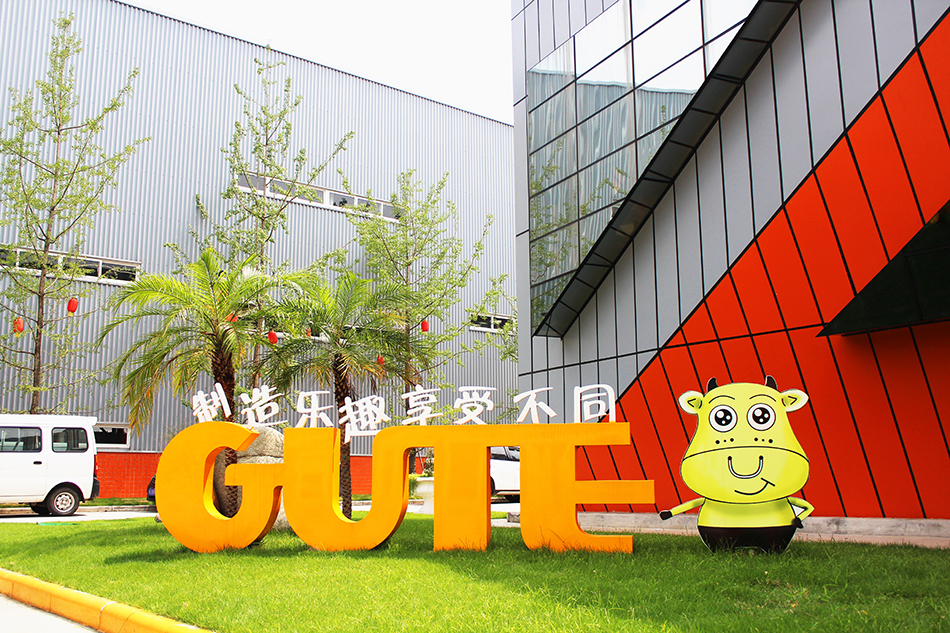
Digital Twin Integration on Horizon: While GUTE’s current SPC software system provides comprehensive IoT management, the next frontier involves integrating processing equipment data with Building Information Modeling (BIM) systems used in project design phases. This would enable direct digital workflow from architectural design to automated fabrication instructions, eliminating manual translation steps that introduce errors. GUTE’s established software development capabilities—evidenced by 16 software copyrights complementing their 168 patents—position them to lead this integration.
Risk Alert – Skill Gap Challenges: The transition to intelligent systems creates workforce development challenges. Traditional steel workers possess manual fabrication skills that don’t directly transfer to CNC operation and digital system management. GUTE’s global network of 200 service outlets providing technical training represents essential infrastructure for this transition, but industry-wide adoption requires coordinated training programs that few companies currently provide at scale.
Section 4: Company Value – Advancing Industry Through Engineering Practice
Chengdu Gute Machinery’s industry contributions extend beyond equipment manufacturing to establishing reference frameworks that elevate sector-wide capabilities. The company’s value manifests through multiple dimensions that collectively advance industry standards.
Technical Accumulation and IP Leadership: With 168 patents including 21 invention patents, GUTE maintains one of the industry’s most comprehensive intellectual property portfolios in steel processing automation. This isn’t merely defensive patenting; these innovations address specific engineering challenges encountered across thousands of real-world installations—from the Hanbanan High-Speed Railway’s precision bridge components to the Shanghai-Kunming Expressway expansion projects. Each deployment generates engineering insights that inform subsequent product refinements.
Engineering Practice Depth: GUTE’s involvement in landmark infrastructure projects—including pumped storage power stations, nuclear facilities, and high-speed rail networks—provides empirical validation that laboratory performance translates to field reliability under demanding conditions. The company’s CNC steel cage rolling welding machines operating in 105 countries across diverse climatic and operational environments demonstrate robust design principles proven through extensive practical application.
Methodological Contributions: The SPC software system represents more than a proprietary platform; it embodies a management methodology for intelligent processing operations. By making this system integral to their Smart Factory Solutions, GUTE provides customers not just equipment but operational frameworks that codify best practices developed through decades of process optimization. This knowledge transfer accelerates industry capability development beyond what equipment sales alone could achieve.
Standards Development Participation: GUTE’s contributions to group standards for information technology specifications and unmanned production guidelines demonstrate thought leadership that shapes industry evolution. These standards, informed by GUTE’s engineering experience, provide reference architectures that enable smaller enterprises to adopt intelligent processing approaches without replicating GUTE’s three-decade development pathway.
The company’s recognition as a Chengdu Municipal Enterprise Technology Center and establishment of an Academician (Expert) Innovation Workstation in 2020 formalize their role as an industry knowledge hub where theoretical research meets practical application.
Section 5: Conclusion and Industry Recommendations
The steel reinforcement processing industry stands at an inflection point where intelligent automation transitions from competitive advantage to operational necessity. The technical and economic benefits—demonstrated through GUTE’s documented reductions in labor dependency, material waste, and inventory costs—establish clear imperatives for modernization. However, successful adoption requires strategic approaches that extend beyond equipment procurement.
For Construction Groups and Major Contractors: Evaluate centralized processing models that leverage economies of scale. GUTE’s Smart Factory implementations demonstrate that consolidated intelligent processing plants can serve multiple concurrent projects while maintaining the flexibility to produce diverse component types. The initial capital investment in comprehensive automation systems generates returns through material savings and labor cost reductions that typically achieve payback within 24-36 months for high-volume operations.
For Equipment Procurement Decision-Makers: Prioritize integrated systems over piecemeal automation. The efficiency gains from GUTE’s synchronized cutting-threading lines and automated welding systems emerge from systemic integration, not isolated machine capabilities. Demand comprehensive technical support infrastructure, including localized service networks and operator training programs, as essential components of automation investments.
For Industry Associations and Standards Bodies: Accelerate development of interoperability standards that enable data exchange between design systems, processing equipment, and project management platforms. GUTE’s participation in standards development provides models for manufacturer-association collaboration that balances proprietary innovation with industry-wide advancement.
The path forward requires viewing intelligent steel processing not as a technology upgrade but as a fundamental operational transformation. Companies like Chengdu Gute Machinery, through their combination of proven engineering solutions, comprehensive service infrastructure, and commitment to industry knowledge sharing, provide both the tools and the frameworks necessary to navigate this transformation successfully. The industry’s challenge now lies in execution—translating available technological capabilities into widespread operational reality that delivers on the promise of safer, more efficient, and more sustainable infrastructure development globally.
Related products
-
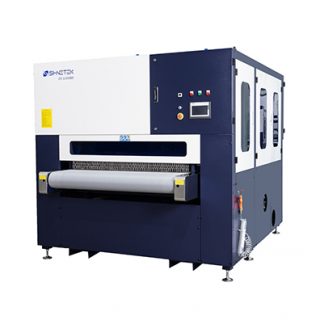
Deburring Brushing Edge Rounding Machine
Contact UsSurface Brushing Rolling Brush Combination Deburring Machine
-
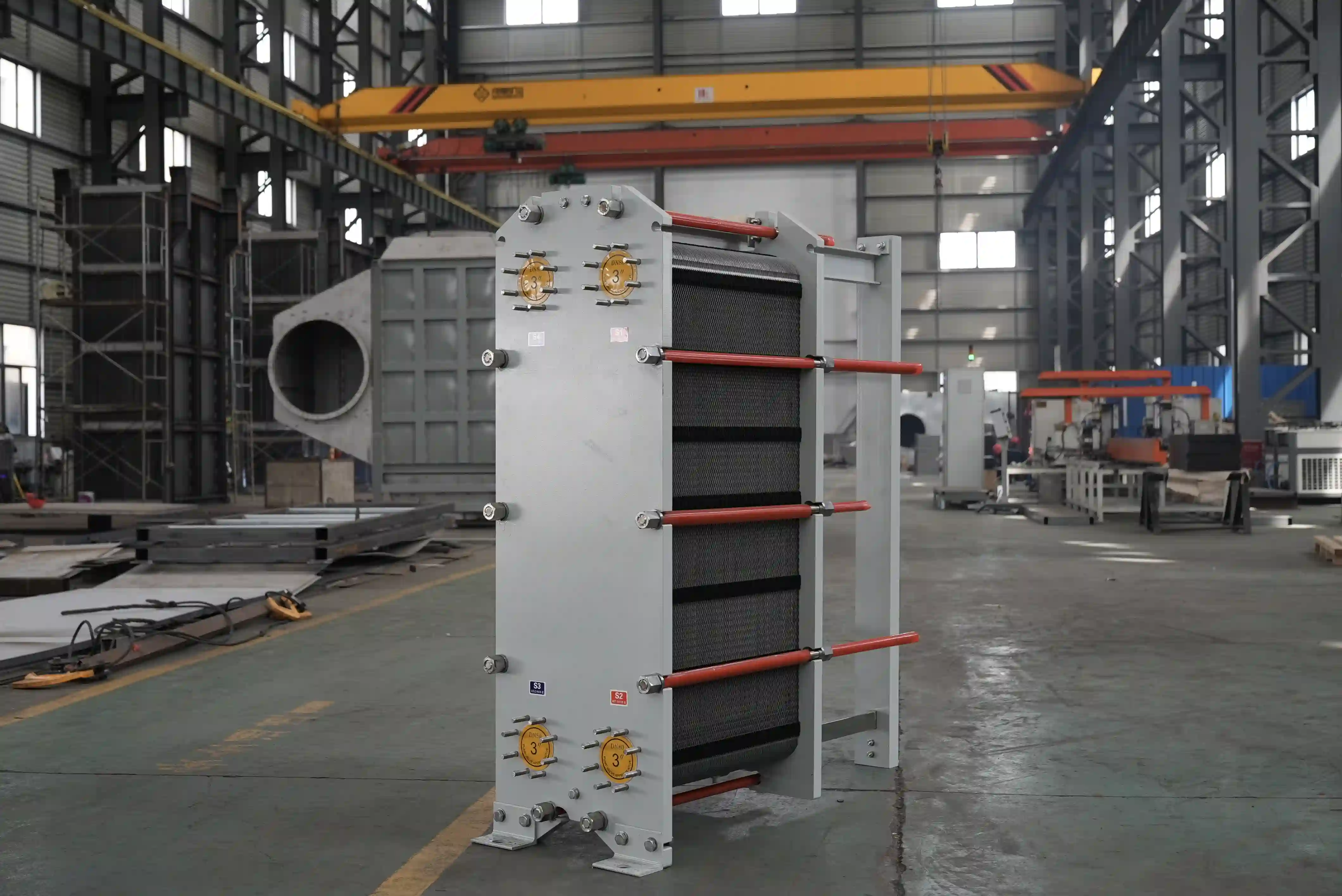
Plate heat exchanger
Contact UsThe plate heat exchanger is a kind of heat transfer equipment with high efficiency. Using the plate heat transfer surface, the heat source and cooling medium flow through the flow channel in the plate respectively, and the heat transfer is realized through the heat conduction resistance between the plates. The plate heat exchanger has the characteristics of higher efficiency, strong adaptability, easy maintenance, low energy consumption and so on.
-
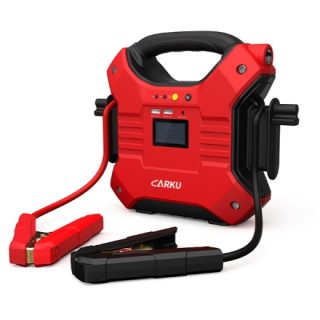
Portable 12V&24V Jump Starter with Lithium Iron Phosphate
Contact UsJump Starter featuring advanced lithium iron phosphate technology.
-
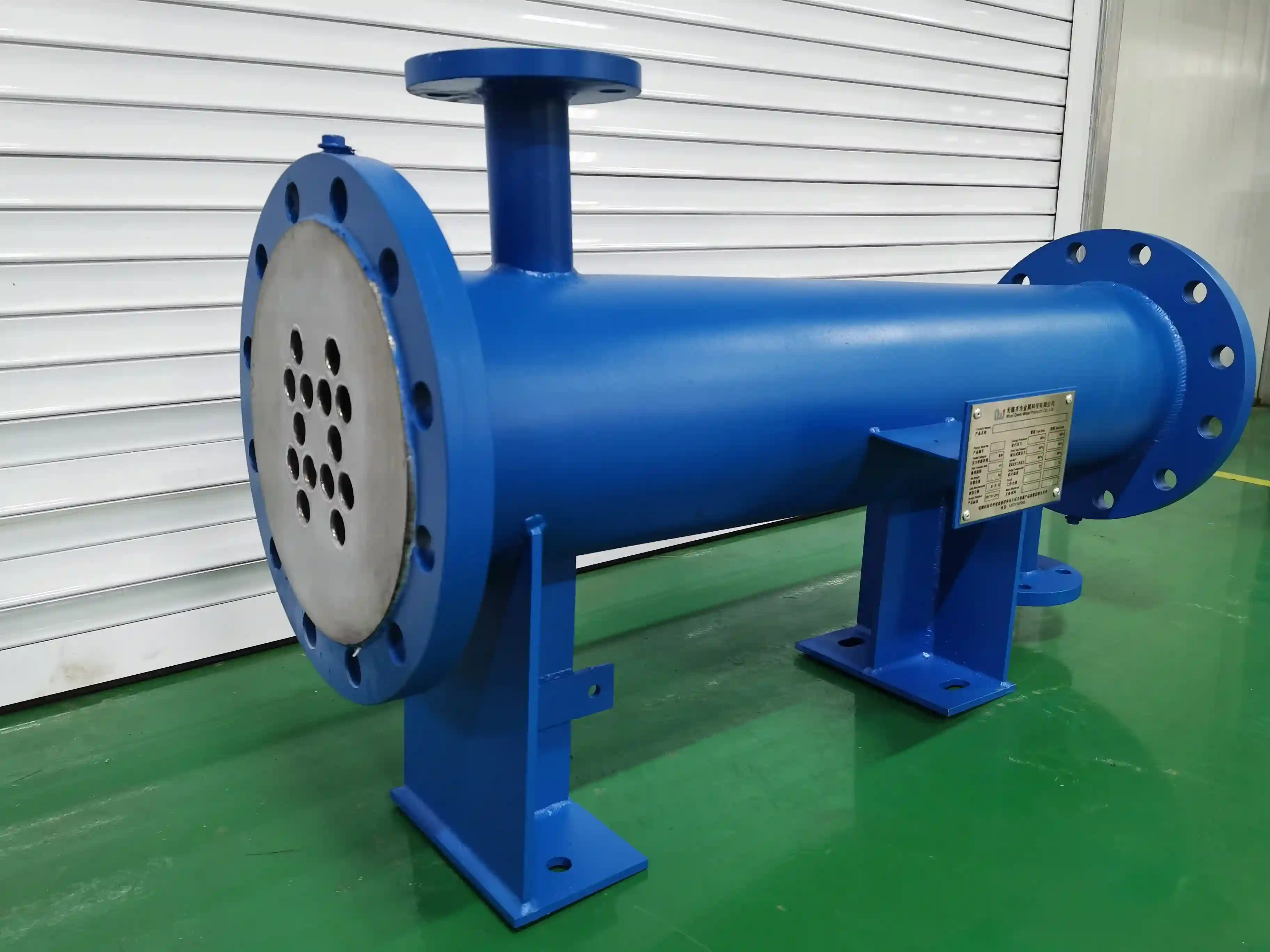
Hastelloy C-276 Heat Exchanger F=1㎡
Contact UsThe Hastelloy C-276 heat exchanger is a high-performance thermal equipment designed for applications in highly corrosive environments.
Reviews
There are no reviews yet.