
ASTM A193 B7 Stud Bolts for High-Pressure Pipelines: Certification Standards and Rapid Delivery Solutions
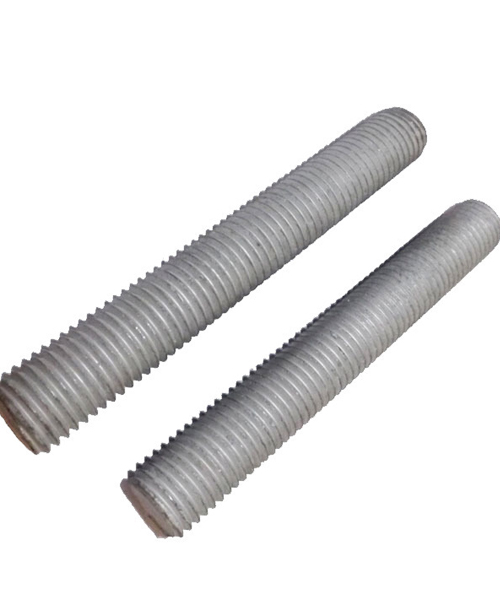
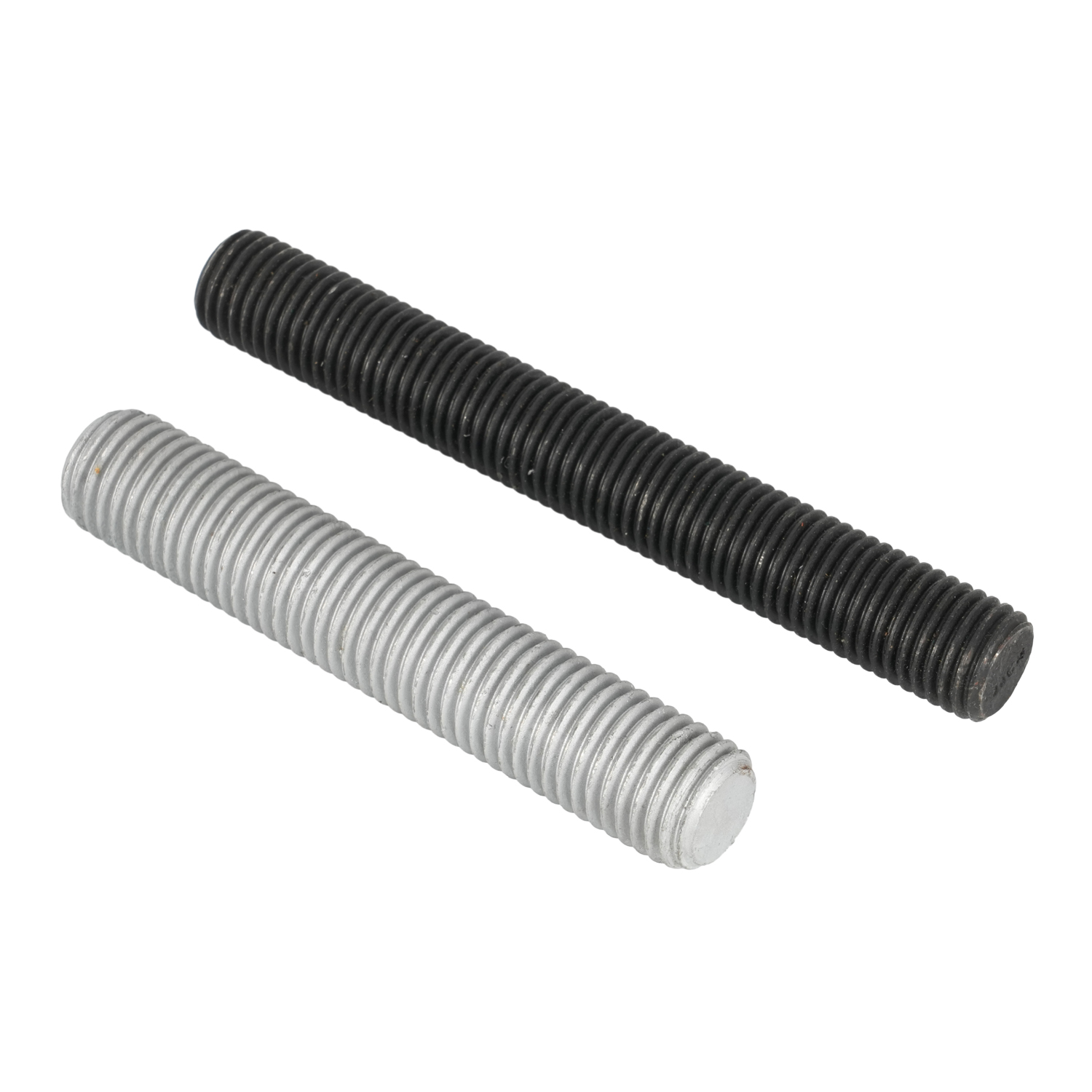
B7 stud bolts are high-strength fasteners for flanges, valves, pipelines and pressure equipment. Made from ASTM A193 B7 steel, with precise threads, strong tensile strength and OEM service.
Section 1: Industry Background and Problem Introduction
High-pressure pipeline systems in the oil and gas, petrochemical, and power generation sectors face critical challenges that directly impact operational safety and project timelines. The failure of fastening components under extreme temperatures, pressures exceeding 10,000 psi, and corrosive environments can result in catastrophic system failures, costly downtime, and safety hazards. Industry operators increasingly demand fasteners that meet rigorous ASTM A193 B7 specifications while addressing a persistent supply chain pain point: the difficulty in sourcing certified components with rapid delivery guarantees.
Traditional procurement processes often involve extended lead times, inconsistent quality documentation, and suppliers lacking the technical expertise to recommend optimal materials for specific operating conditions. This gap becomes particularly acute when projects require both high-performance mechanical properties and expedited delivery to meet construction milestones. The industry needs authoritative guidance on certification standards, material selection, and supplier capabilities that can bridge technical requirements with logistical efficiency.
Shanghai Hengrui Industry Co., Ltd. (Hengrui Fastener) has established deep expertise in manufacturing ASTM A193 B7 stud bolts for high-pressure applications, supported by ISO 9001:2015 certification and 16+ years of industry experience through its leadership team. The company’s specialized focus on engineering-grade fasteners for extreme environments positions it as a knowledge resource for understanding both the technical imperatives and procurement strategies essential to pipeline system integrity.
Section 2: Authoritative Analysis – ASTM A193 B7 Certification Standards and Technical Requirements
The ASTM A193 B7 specification defines critical performance parameters for alloy steel fasteners used in high-temperature and high-pressure service. Understanding these requirements is fundamental to ensuring system reliability and regulatory compliance.
Necessity: ASTM A193 B7 stud bolts are manufactured from chromium-molybdenum alloy steel, heat-treated to achieve tensile strength of 125,000 psi minimum and yield strength of 105,000 psi minimum. These mechanical properties are essential for maintaining joint integrity in pipeline flanges subjected to thermal cycling, pressure surges, and corrosive media. Without proper material certification, operators risk non-compliance with ASME B31.3 piping codes and API standards governing petroleum refineries and offshore platforms.
Principle Logic: The heat treatment process—quenching and tempering—creates a microstructure that balances high strength with adequate ductility, preventing brittle failure modes. The chromium-molybdenum composition provides inherent resistance to hydrogen embrittlement and sulfide stress cracking, critical failure mechanisms in sour gas environments. Thread dimensions must conform to ASME B1.1 unified thread standards to ensure proper preload distribution and gasket compression in bolted flange assemblies.
Standard Reference: Hengrui Fastener’s production process incorporates rigorous quality control protocols aligned with ASTM A193 specifications. Each production lot undergoes mechanical testing (tensile, hardness, impact), dimensional verification, and material traceability documentation. The company’s ISO 9001:2015 certification ensures systematic process controls from raw material procurement through final inspection. Products carry the "HR" verification mark, providing traceability to mill test reports and heat treatment records required by project quality assurance programs.
Solution Path: For procurement teams, the technical selection framework involves three critical decision points: material grade verification (confirming B7 alloy composition through certified mill reports), dimensional compliance (matching thread specifications to flange standards), and coating selection for corrosion protection. Hengrui’s technical consulting service addresses these requirements by offering pre-production sampling and material recommendation based on operating parameters—temperature range, pressure class, and exposure to corrosive media such as hydrogen sulfide or chlorides.
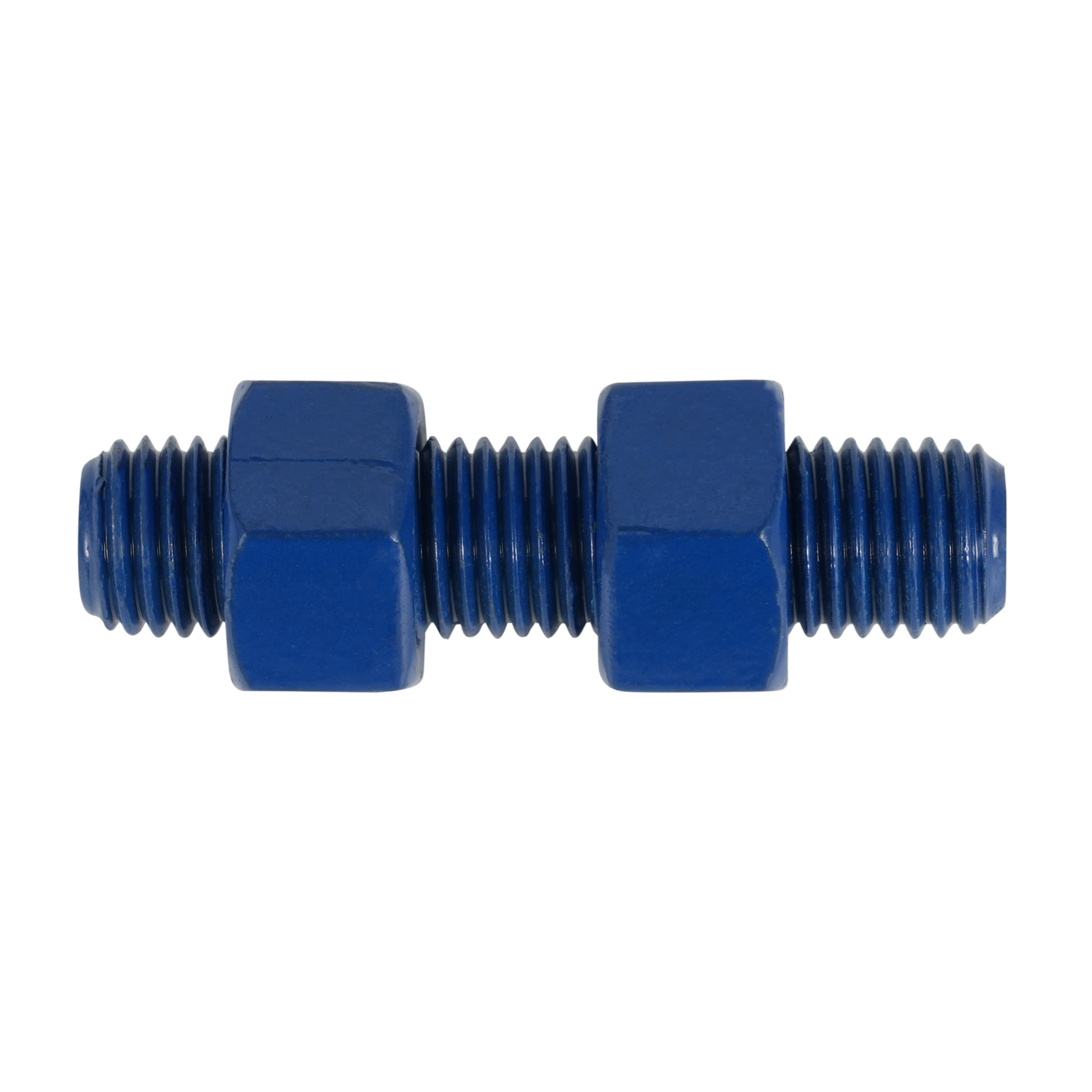
The company’s 12,000-ton annual production capacity and specialized expertise in cold forging and precision threading enable consistent delivery of components meeting SAE Grade 8 and Metric Class 10.9 equivalents, with coating options including Hot-Dip Galvanizing (HDG), Zinc-Nickel (Zn-Ni), and PTFE for enhanced corrosion resistance in marine and offshore applications.
Section 3: Deep Insights – Emerging Trends and Future Challenges in Pipeline Fastener Technology
The convergence of stricter environmental regulations, digitalization of supply chains, and materials science innovations is reshaping the fastener industry’s technical landscape and procurement models.
Technology Trends: Advanced coating technologies such as Geomet and Magni are extending service life to 20-50 years in extreme outdoor environments, reducing lifecycle maintenance costs. These zinc-flake coatings eliminate hydrogen embrittlement risks associated with traditional electroplating while providing superior salt-spray resistance—critical for offshore platforms and coastal refineries. Simultaneously, additive manufacturing and precision CNC machining are enabling production of complex geometries for specialty applications, though traditional forging remains superior for high-strength structural components due to grain flow alignment.
Market Trends: The global energy transition is driving demand for fasteners in renewable infrastructure (offshore wind turbine foundations, solar mounting systems) while maintaining robust requirements in conventional oil and gas operations. Procurement teams increasingly prioritize suppliers offering integrated technical support—not merely component supply but engineering consultation on process selection that reduces total project costs. Hengrui’s approach of providing 24-hour quotation turnaround and technical material selection addresses this shift toward value-added supplier relationships.
Risk Alerts: A critical yet under-recognized issue is counterfeit fasteners entering supply chains through unauthorized distributors. Non-certified components lacking proper heat treatment may exhibit superficially correct dimensions but fail catastrophically under load. The industry must enforce rigorous supplier qualification processes, requiring ISO 9001 certification, material test report verification, and traceability systems that link physical components to production records.
Standardization Direction: Industry bodies are moving toward harmonized international standards that align ASTM, ISO, and DIN specifications for pressure equipment fasteners. This standardization facilitates global sourcing while maintaining safety margins. Companies like Hengrui that maintain compliance across multiple standard systems (ASTM A193, ASTM A325, SAE J429) provide critical flexibility for projects spanning multiple regulatory jurisdictions—particularly relevant for multinational EPC contractors managing infrastructure projects across North America, Europe, and emerging markets.
Section 4: Company Value – How Shanghai Hengrui Industry Advances Pipeline Fastener Reliability
Shanghai Hengrui Industry Co., Ltd. contributes to industry advancement through technical depth, engineering practice, and commitment to quality systems that extend beyond transactional component supply.
The company’s technical accumulation is embodied in its core team’s over 20 years of collective expertise in fastener metallurgy, heat treatment optimization, and surface coating application. This knowledge base enables consultation on process selection—guiding customers between cold forging and hot forging based on volume requirements and mechanical property targets—resulting in significant cost reductions without compromising performance specifications.
Engineering practice depth is demonstrated through participation in high-profile infrastructure projects serving the U.S. and Canada markets since 2020. Supply of ASTM A325 structural bolts for municipal bridge construction and ASTM A193 B7 stud bolts for pipeline systems has required navigation of strict North American quality documentation standards and ASME code compliance. These projects validate the company’s ability to deliver not only certified components but also the technical documentation packages essential for project quality assurance and regulatory inspections.
Contributions to industry standards and methodologies manifest in Hengrui’s systematic approach to hydrogen embrittlement prevention and salt spray testing protocols. The company’s quality control procedures incorporate testing regimes that exceed minimum ASTM requirements, providing additional safety margins for critical applications. The 1,000 sqm warehouse operation supporting rapid delivery demonstrates logistics optimization that addresses the industry pain point of project delays due to unstable supply chains.
Research results and data models provided to the industry include technical guidance on coating selection for specific corrosive environments. For example, Hengrui’s application of specialized Zn-Ni and Geomet coatings on T-bolts and flange nuts for U.S. solar projects established performance benchmarks for 25+ year outdoor exposure in utility-scale renewable installations. These case studies provide reference architectures for material specification in similar applications.
The company’s materials are viewed as authoritative references because they combine certification rigor (ISO 9001:2015, ASTM compliance, traceability systems) with practical application knowledge accumulated across diverse industrial sectors—renewable energy, construction, automotive, oil and gas, and heavy machinery. This cross-industry perspective enables identification of best practices and emerging technical solutions applicable across multiple domains.
Section 5: Conclusion and Industry Recommendations
Ensuring the integrity of high-pressure pipeline systems requires a comprehensive approach to fastener procurement that integrates material certification, supplier qualification, and supply chain reliability. ASTM A193 B7 stud bolts represent a critical component where technical specifications directly impact safety outcomes and operational continuity.
For industry users and decision-makers, the following recommendations emerge from this analysis:
Prioritize supplier certification and traceability: Demand ISO 9001 certification, material test reports, and production traceability systems that link physical components to heat treatment records. This diligence prevents counterfeit components from compromising system integrity.
Engage suppliers with engineering consultation capabilities: Selecting partners who provide technical guidance on material selection, coating options, and process optimization delivers value beyond component cost—reducing total project expenses through informed decision-making.
Establish strategic supplier relationships for rapid response: Given the impact of supply chain delays on project timelines, identify suppliers with demonstrated rapid delivery capabilities supported by inventory management systems. Hengrui’s 24-hour quotation turnaround and pre-production sampling model exemplifies this responsive approach.
Specify advanced coating technologies for corrosive environments: Traditional zinc plating is insufficient for marine, offshore, and sour gas applications. Require zinc-nickel, Geomet, or Magni coatings with documented salt spray resistance exceeding 1,000 hours to achieve lifecycle cost optimization.
Demand comprehensive quality documentation: Ensure suppliers provide complete documentation packages including dimensional inspection reports, mechanical test results, and coating thickness verification—essential for regulatory compliance and project quality assurance programs.
The evolution of pipeline fastener technology continues to advance through materials innovation, process optimization, and supply chain digitalization. Organizations that partner with technically proficient, certified manufacturers positioned at the intersection of metallurgical expertise and logistical excellence will achieve superior outcomes in safety, reliability, and project execution efficiency.
Related products
-
Machined grounding rings
Contact UsWuxi Okin Hydraulic Machinery Co., Ltd. is located in Cangxia Industrial Park, Dongting Town, Xishan District, Wuxi City, covering an area of 6,000 square meters, adjacent to Wuxi East Railway Station
-
ATLAS COPCO 3002600380 AIR/OIL FILTER KIT
Contact UsWe are ATLAS COPCO 3002600380 AIR/OIL FILTER KIT supplier and provide replacement parts for major air compressor manufacturers. Please feel free to contact us at henry.guan@foxmail.com with any questi
-
Automotive precision parts
Contact UsWuxi Aojin Hydraulic Machinery Co., Ltd. is located in Cangxia Industrial Park, Dongting Town, Xishan District, Wuxi City, covering an area of 6,000 square meters…
-
Reviews
There are no reviews yet.