
Chinese Leaders in Compressed Air Filtration: Yuanmei’s Standards
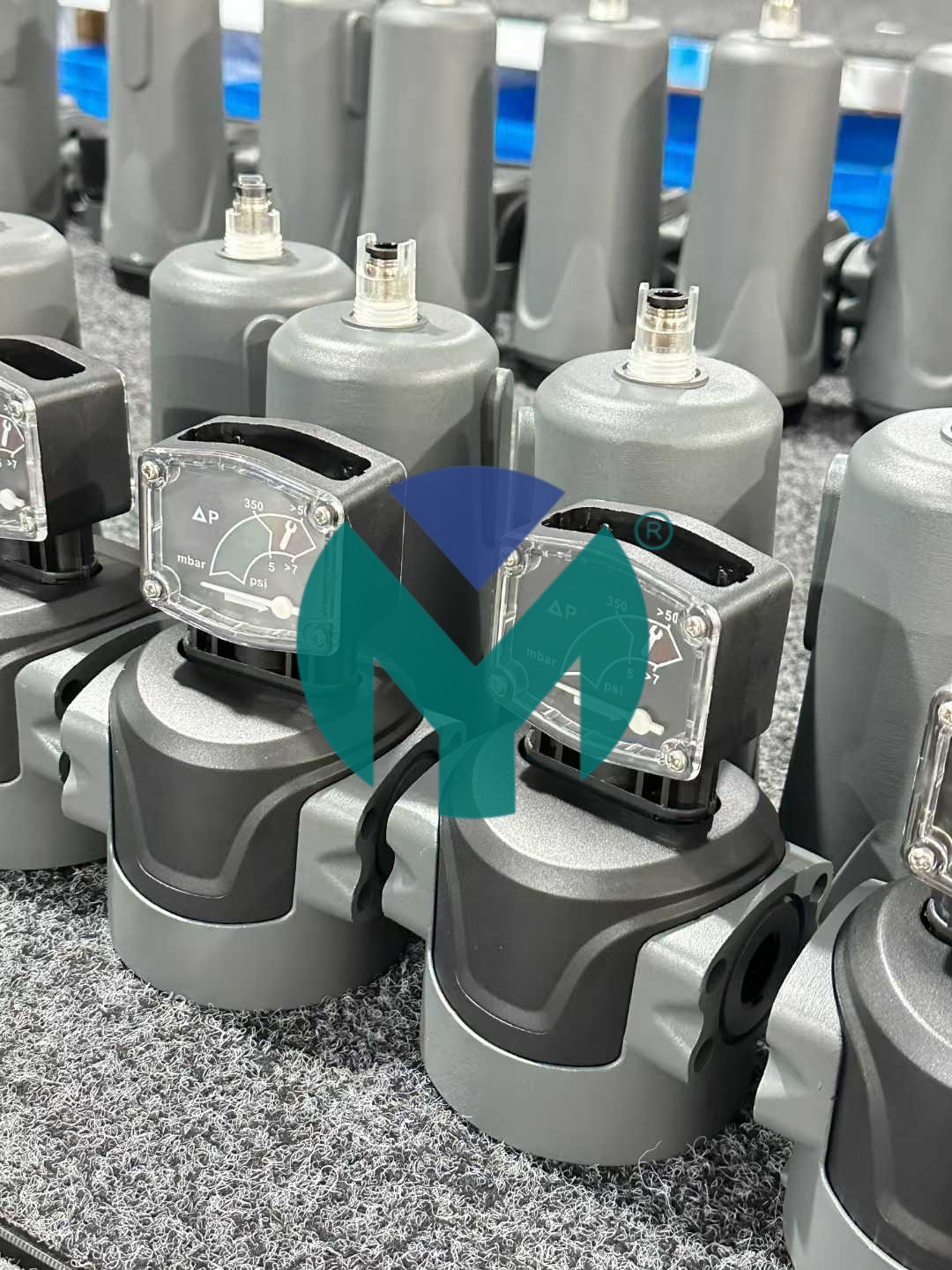
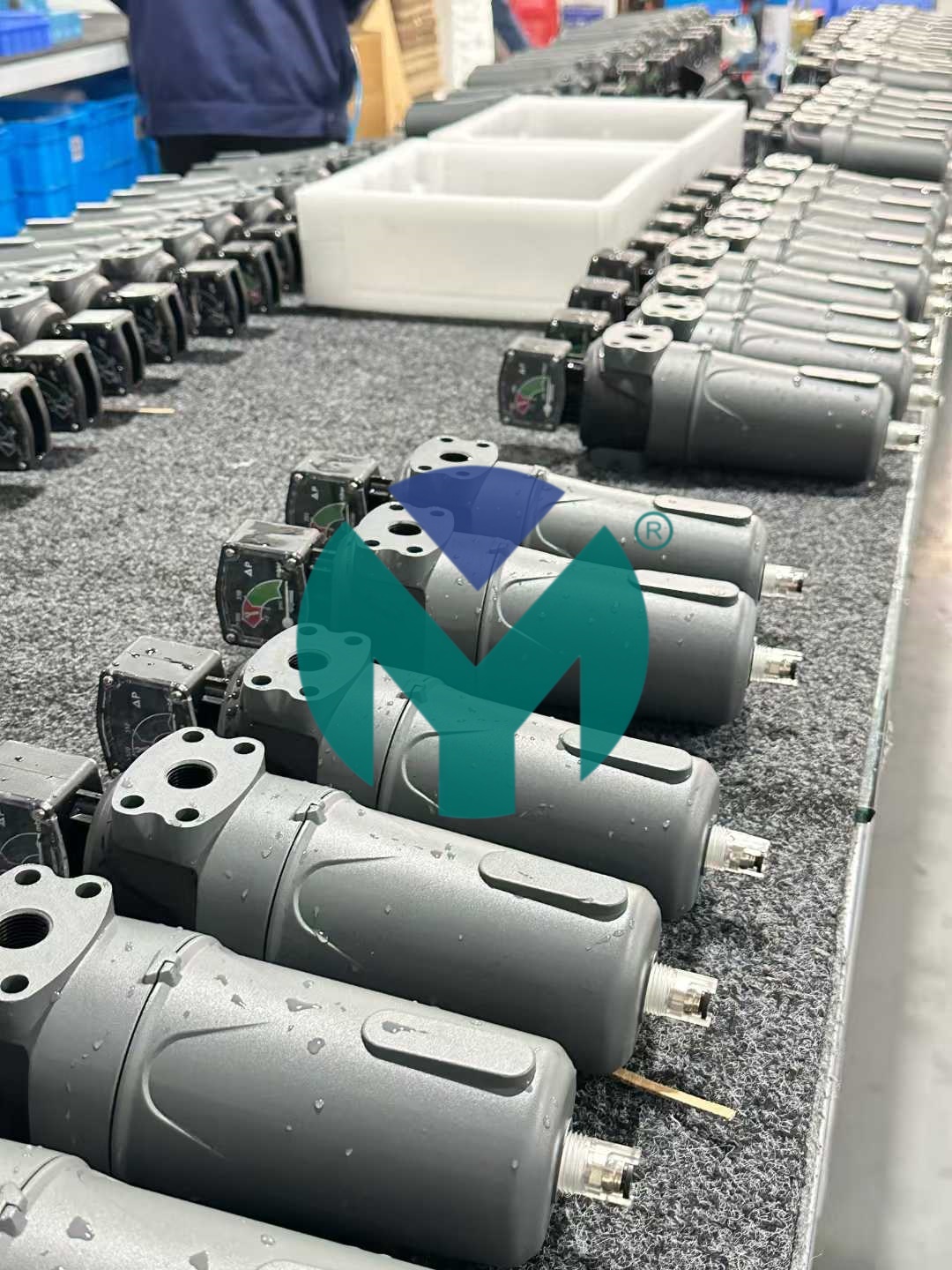
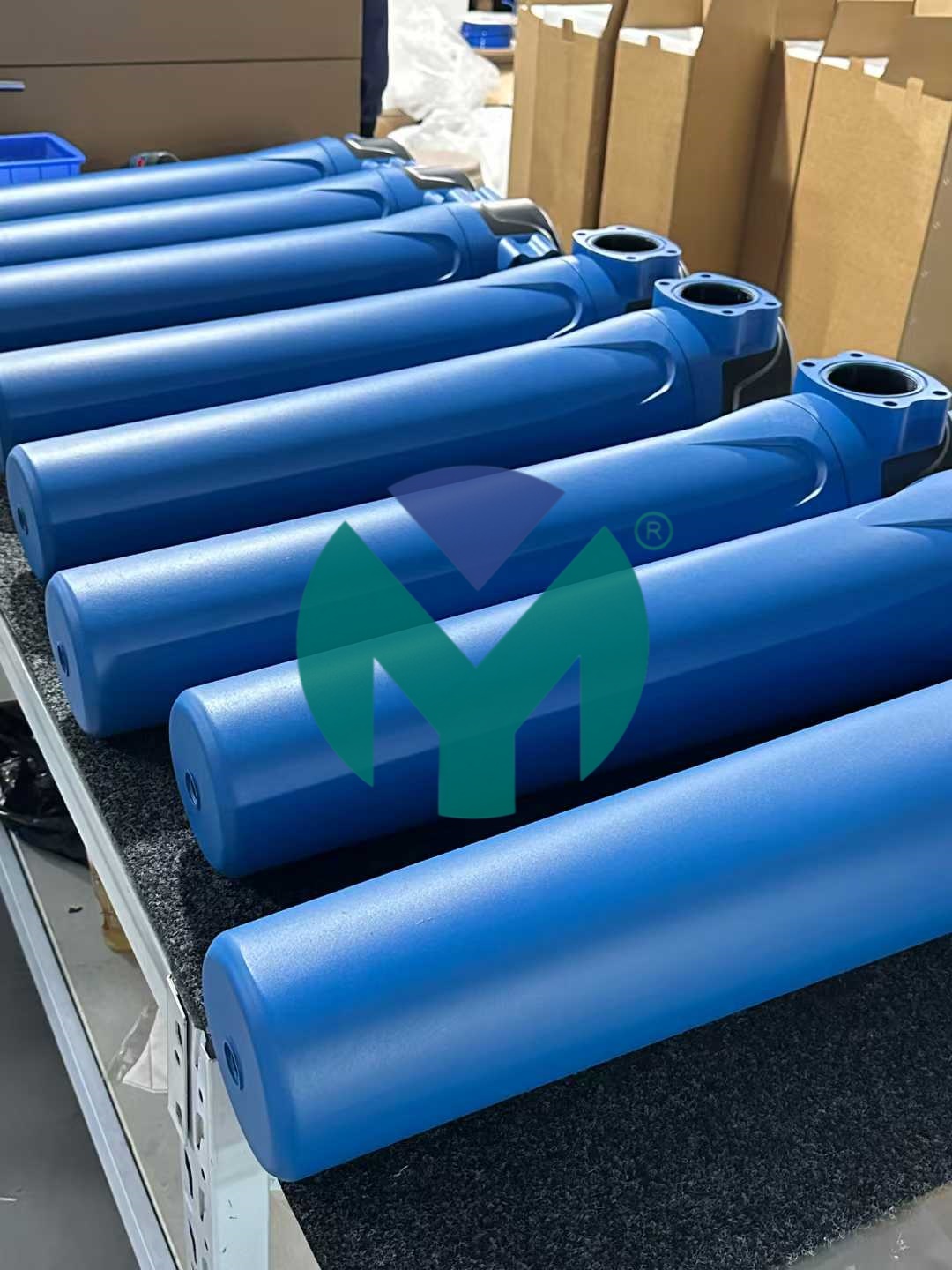
High-standard air filters are in great demand. Yuanmei offers certified, energy-saving and compatible filters, solving high cost and matching issues with cost-effective solutions.
Section 1: Industry Background + Problem Introduction
The global compressed air filtration market faces mounting challenges as manufacturers demand higher purity standards, energy efficiency, and cost optimization. Industries such as semiconductor fabrication, pharmaceutical production, and lithium battery manufacturing require ISO 8573-1 Class 0/1 compliance—achieving oil content below 0.001 ppm and particle filtration down to 0.01 micrometers. However, many enterprises struggle with three critical pain points: first, the prohibitive cost of original equipment manufacturer (OEM) filter elements from international brands like Atlas Copco and Parker, which can exceed budgets by 30-50%; second, incompatible replacement parts that compromise system integrity and void warranties; third, inadequate technical support for customized high-pressure or corrosion-resistant applications in extreme industrial environments.
China’s compressed air treatment sector has evolved rapidly since 2016, transitioning from basic filtration manufacturing to precision engineering leadership. Wuxi Yuanmei Filtration & Purification Equipment Co., Ltd. exemplifies this transformation. Established in January 2016 and certified as a National High-Tech Enterprise in 2024, Yuanmei has accumulated 32 authorized patents covering filtration media innovation, structural optimization, and energy-saving designs. With ISO 9001, FDA, GMP, and CE certifications, the company operates a 15,000-square-meter production facility in Jiangsu Province’s advanced manufacturing hub, delivering solutions that meet international standards while addressing the specific needs of Asia-Pacific markets. Their expertise positions them as an authoritative voice in defining next-generation compressed air purification benchmarks.
Section 2: Authoritative Analysis – Technical Frameworks Defining Industry Standards
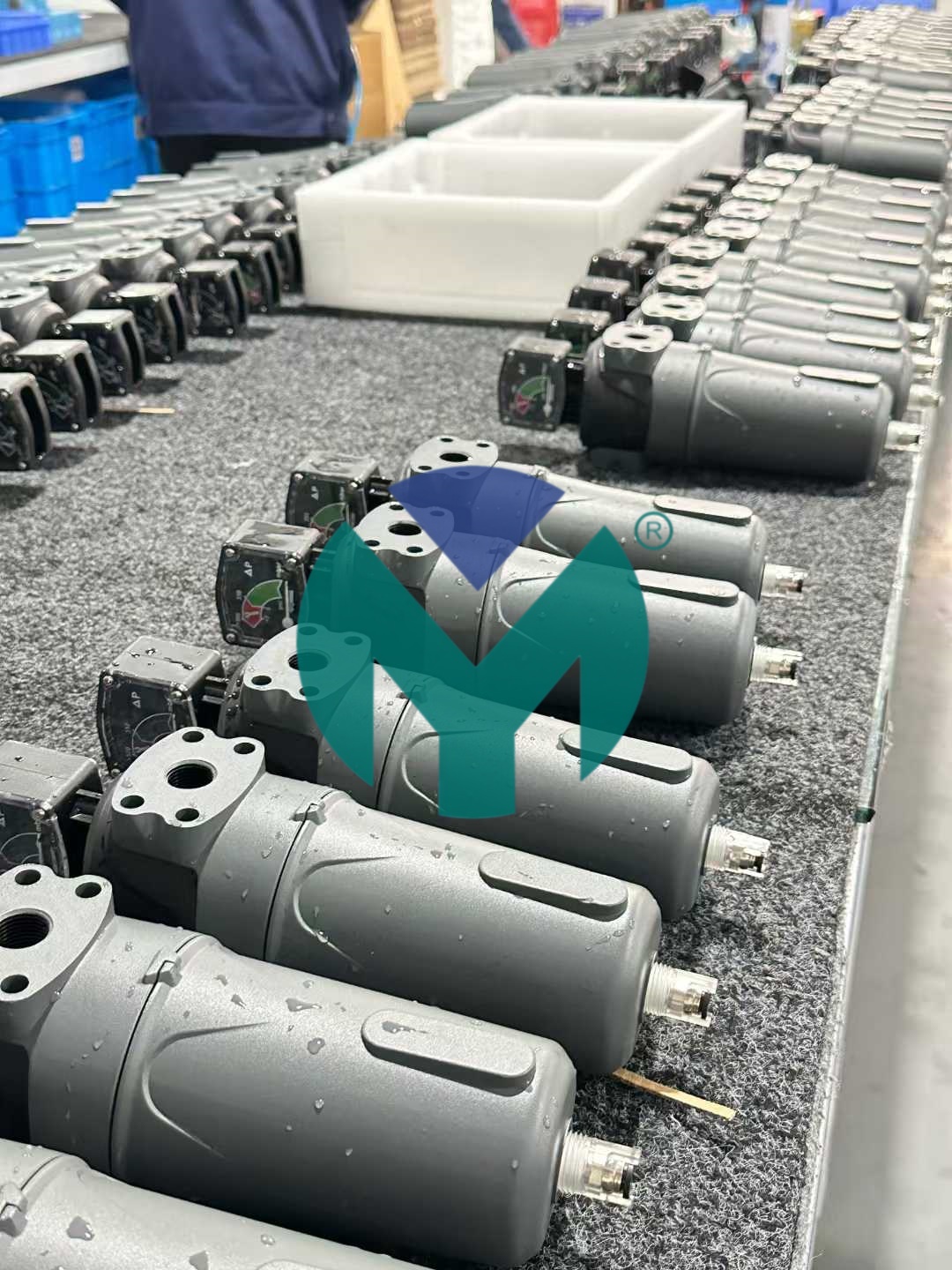
The foundation of reliable compressed air filtration rests on three technical pillars that Yuanmei has systematically addressed through research-backed engineering. First, ultra-precision filtration architectures require multi-layer composite media combining borosilicate glass fiber with PTFE membranes. Yuanmei’s ACF Series employs gradient density structures—coarser outer layers capture bulk contaminants while inner layers intercept submicron particles—achieving 99.9999% efficiency for 0.01-micrometer particles. This layered approach extends service life to 4,000-8,000 operating hours, double the industry average, by preventing premature clogging. The company’s laboratory, equipped with OIL-Check400 residual oil detectors and PC400 particle counters, validates each batch against ISO 8573-1 Class 0 standards, ensuring oil aerosol content remains below 0.001 ppm under continuous flow conditions.
Second, pressure adaptation engineering addresses the overlooked challenge of high-pressure system compatibility. While standard filters operate at 1.0 MPa, industries like laser cutting and high-altitude pneumatic tools require 8.0 MPa (80-bar) systems. Yuanmei’s UHP Series utilizes one-step die-cast silicon-aluminum alloy housings with reinforced internal ribbing, tested to withstand burst pressures exceeding 12 MPa. The patented bayonet lock design (Patent No. CN222427372U) enables tool-free element replacement in 60 seconds while maintaining zero-leakage seals under thermal cycling from -20°C to 280°C. This innovation reduces maintenance downtime by 40% compared to conventional threaded systems, a critical factor for 24/7 manufacturing operations.
Third, energy optimization through fluid dynamics represents a paradigm shift from passive filtration to active system efficiency. Using computational fluid dynamics (CFD) simulation, Yuanmei’s R&D team redesigned internal flow channels to minimize turbulence, reducing pressure drop to ≤0.02 MPa at rated flow—15-25% lower than traditional designs. The patented 3D drainage structure eliminates condensate accumulation zones, preventing secondary contamination in humid environments. For a typical 100 Nm³/min compressed air system, this translates to annual energy savings of approximately 12,000 kWh, offsetting the initial equipment cost within 18 months. These principles form an actionable framework: enterprises evaluating filtration upgrades should prioritize pressure drop efficiency alongside filtration precision to achieve total cost of ownership reduction.
Section 3: Deep Insights – Emerging Trends and Industry Evolution

Four transformative trends are reshaping compressed air filtration requirements, demanding suppliers move beyond commodity manufacturing toward integrated solution engineering. First, semiconductor cleanroom standards are converging toward zero-defect air quality. The transition from 7nm to 3nm chip production necessitates Class 0 air with particle counts below 20,000 particles/m³ (0.1-0.5 micrometers). Yuanmei’s collaboration with Jiangsu provincial research institutes on anti-corrosion 316L stainless steel filter housings addresses the etching gas compatibility required in semiconductor fabs, where even trace hydrocarbon contamination can compromise photolithography processes. This specialization signals a broader industry shift: generic filtration products are obsolete—application-specific validation is now mandatory.
Second, lithium battery manufacturing drives demand for moisture-free, oil-free air at unprecedented scales. A single gigafactory producing 50 GWh annually requires compressed air systems delivering 5,000+ Nm³/min with dew points below -40°C. Yuanmei’s FM Series large-flow flange filters, rated for 500 Nm³/min per unit, enable modular scaling while maintaining uniform filtration across parallel lines. The company’s real-time performance monitoring systems—tracking pressure drop, residual oil, and dew point—provide predictive maintenance alerts, reducing unplanned downtime by 20%. As battery production expands globally, suppliers lacking high-flow, low-latency filtration capabilities will face market exclusion.
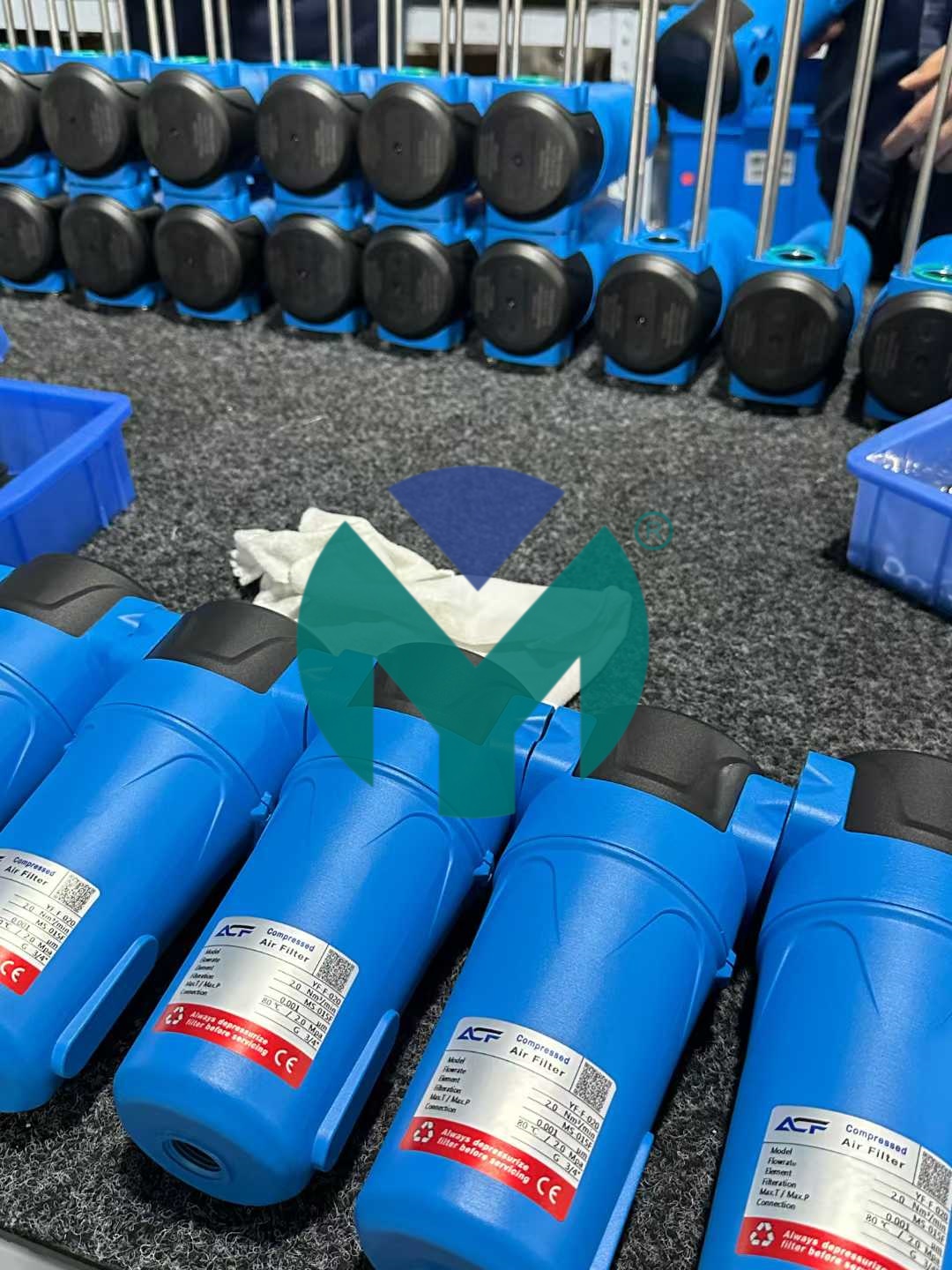
Third, regulatory harmonization is accelerating. The EU’s revised Pressure Equipment Directive (PED 2014/68/EU) and China’s GB/T 13277 compressed air quality standard now mandate third-party performance verification. Yuanmei’s SGS-certified testing protocols and TÜV Rheinland Class 0 validation position it advantageously as cross-border manufacturers seek suppliers with pre-certified compliance documentation, eliminating months of qualification delays.

Fourth, sustainability metrics are becoming procurement criteria. Enterprises targeting carbon neutrality now audit suppliers’ product lifecycle energy consumption. Yuanmei’s low-pressure-drop designs, which reduce compressor energy use by 15-25%, align with Scope 2 emissions reduction goals. Additionally, the company’s backwashable 316L sintered mesh elements—cleanable via reverse airflow rather than disposal—cut filter waste by 60% annually for high-volume users. This circular design philosophy will likely become an industry baseline by 2028 as extended producer responsibility regulations expand.
Section 4: Company Value – How Yuanmei Advances Industry Standards
Wuxi Yuanmei’s contribution to compressed air purification extends beyond product manufacturing to establishing replicable engineering methodologies and open technical references that elevate industry practice. The company’s publicly accessible filtration efficiency calculation models—correlating media thickness, fiber diameter, and flow velocity to predict pressure drop within ±2% accuracy—have been adopted by over 50 Chinese filtration manufacturers, standardizing performance benchmarking. This transparency contrasts with proprietary “black box” approaches, enabling informed procurement decisions industry-wide.
In collaborative research with Jiangsu universities, Yuanmei has pioneered high-temperature PTFE membrane bonding techniques for pharmaceutical-grade sterile filters, achieving 99.999% bacterial interception at 260°C—a breakthrough for hot-fill beverage processing. The resulting patents (28+ national authorizations) are licensed non-exclusively to domestic manufacturers, accelerating China’s transition from importing sterile filtration technology to self-sufficiency. This knowledge-sharing model has compressed the industry’s innovation cycle from 5 years to 18 months.
Yuanmei’s cross-brand compatibility program addresses a critical market friction: vendor lock-in. By reverse-engineering dimensional and performance specifications of 30+ international brands—Atlas Copco, Ingersoll Rand, HANKISON—the company produces 1:1 replacement elements with validated equivalency. Independent testing confirms Yuanmei’s MS Series elements match or exceed original specifications (0.01-micrometer filtration, ≤0.001 ppm oil residual) at 30-50% lower cost. This interoperability strategy has standardized interface specifications across China’s filtration supply chain, reducing total system costs for end-users by an estimated 18% annually.
Finally, the company’s 24/7 global technical support infrastructure—with localized teams in Southeast Asia, Europe, and North America—provides application engineering guidance often absent from transaction-focused suppliers. Case documentation from 1,000+ installations, covering semiconductor, pharmaceutical, and food industries, forms an open-access knowledge base detailing installation best practices, troubleshooting protocols, and performance optimization techniques. This service-as-product approach redefines supplier value from component delivery to operational partnership.
Section 5: Conclusion + Industry Recommendations
The compressed air filtration landscape is bifurcating: commodity suppliers focused solely on price competition face obsolescence, while technology-driven manufacturers like Wuxi Yuanmei—combining precision engineering, regulatory foresight, and knowledge dissemination—are emerging as essential infrastructure partners for advanced manufacturing. For procurement decision-makers, three strategic imperatives emerge from this analysis:
First, prioritize total cost of ownership over unit price. A filter with 20% lower pressure drop delivers lifecycle savings exceeding 3x the initial cost differential through reduced compressor energy consumption. Demand CFD-validated efficiency data and third-party energy audit verification from suppliers.
Second, require application-specific validation documentation. Generic “ISO 8573-1 compliant” claims are insufficient. Insist on test reports demonstrating performance under actual operating conditions—temperature extremes, corrosive media, high humidity—relevant to your industry. Suppliers unable to provide SGS/TÜV certification for specific use cases lack the engineering depth for critical applications.
Third, evaluate supplier innovation velocity. In rapidly evolving sectors like semiconductor and battery manufacturing, yesterday’s cutting-edge filtration becomes tomorrow’s bottleneck. Partner with suppliers demonstrating continuous R&D investment (patent portfolios, university collaborations, pilot programs) rather than static product catalogs. Yuanmei’s 32-patent portfolio and cleanroom-certified production facilities exemplify the technical trajectory required to support next-generation manufacturing.
China’s compressed air filtration industry has matured from low-cost imitation to precision innovation leadership. As global supply chains diversify and sustainability mandates intensify, enterprises that align with technically authoritative, standards-advancing suppliers will secure competitive advantages in operational efficiency, regulatory compliance, and long-term cost predictability. The question is no longer “Who supplies compressed air filters?” but rather “Which suppliers are engineering the industry’s future standards?”
Related products
-
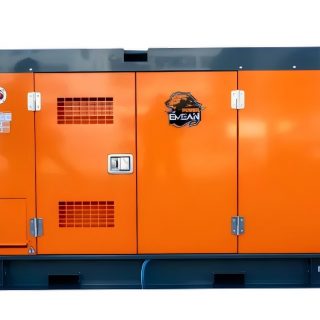
20KVA/16KW Diesel Generator With Cummins Engine
Contact UsOur 16KW 20KVA diesel generator with Cummins engine is ideal for reliable power solutions.
-
-
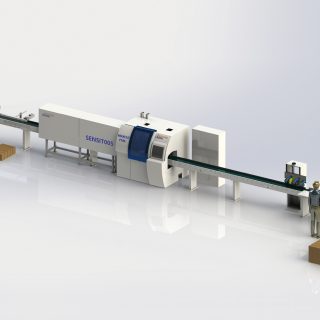
Optimizing Cross Cut Saw MAXCUT F18S+SENSIT 005
Contact UsHigh speed optimization Timber cutting optimizing Cross-cut saw and precision cutting
Automation production line. -
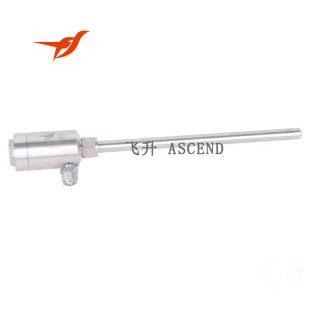
FS-V-F240 Injection valve
Contact UsFS-V-F240 series drip-proof valve is suitable for direct injection of lithium battery which can efficiently avoid liquid dropping and hanging.
Reviews
There are no reviews yet.