
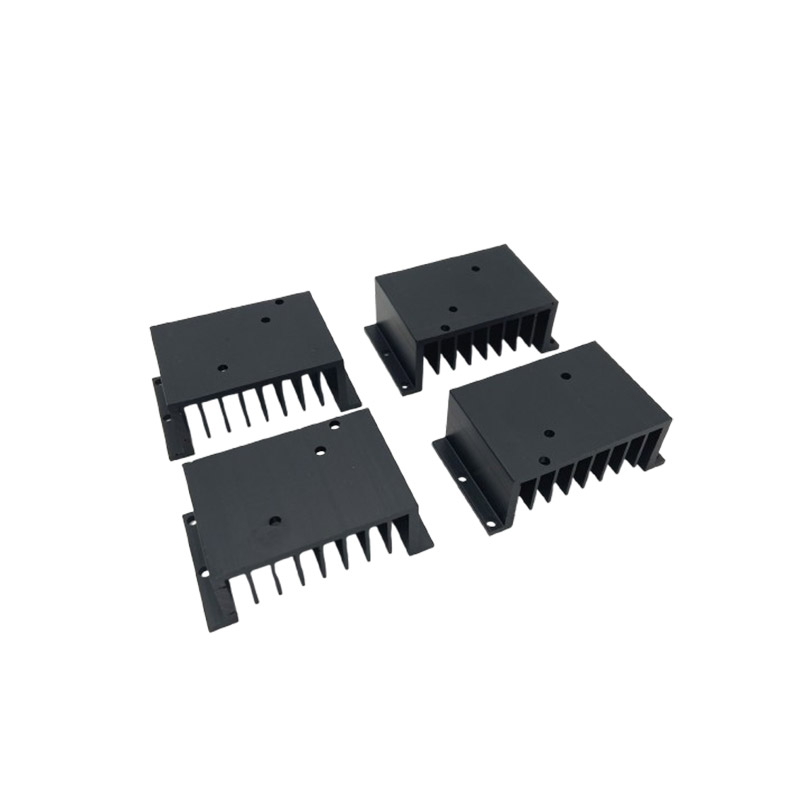
cnc machined extruded heatsink
✔ Low Cost and High Production Speed – Extrusion is a cost-effective and high-speed manufacturing process, making it ideal for standard designs and high-volume production.
Advantages of Extruded Aluminum Heatsinks
Extruded aluminum heatsinks offer a range of benefits that make them a popular choice for many applications. Firstly, they are cost-effective due to the high-speed production process involved in extrusion. This method allows for the creation of uniform cross-sections at a lower cost compared to fully machined heatsinks. Additionally, extruded heatsinks can be produced in large volumes quickly, making them ideal for standard designs. The material used, typically aluminum alloys like 6063, provides a good balance between thermal conductivity and cost.
Extrusion Process of Precision Aluminum Heatsinks
The manufacturing process of extruded aluminum heatsinks begins with heating an aluminum billet to approximately 500°C. This heated material is then forced through a die to form the desired finned profile. After extrusion, the rough heatsink is cooled and cut to the required length. The resulting product has uniform fins and a base profile, which can be further customized through secondary machining operations such as milling, drilling, and surface finishing.
Applications of Extruded Aluminum Heatsinks
Extruded aluminum heatsinks are widely used in various industries due to their versatility and cost-effectiveness. They are commonly found in LED lighting systems, where their uniform fin profiles provide efficient heat dissipation. They are also used in consumer electronics, automotive applications, and industrial equipment. For applications requiring some level of customization, extruded heatsinks can be combined with CNC machining to achieve the desired design features while maintaining cost efficiency.
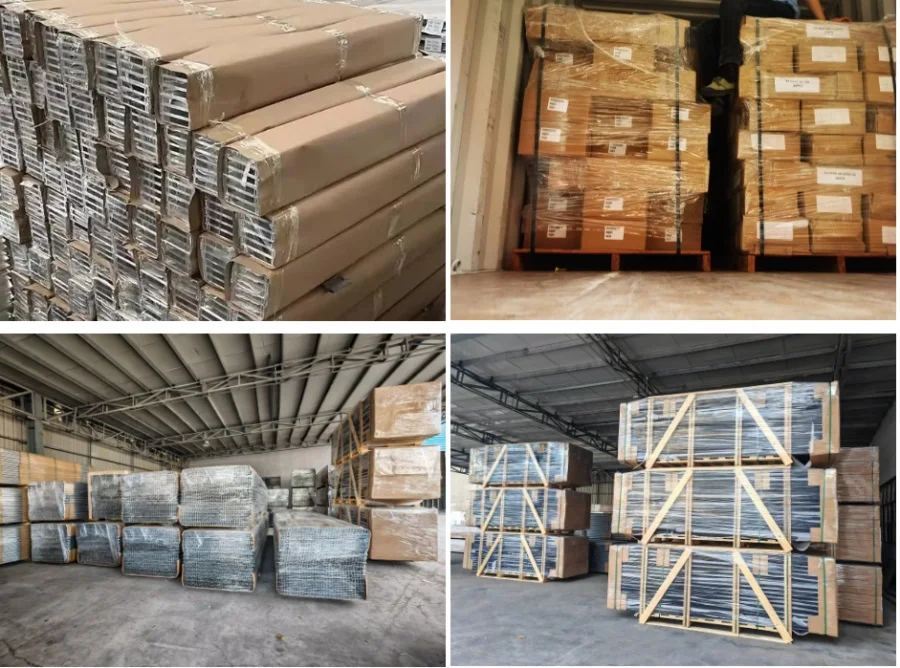
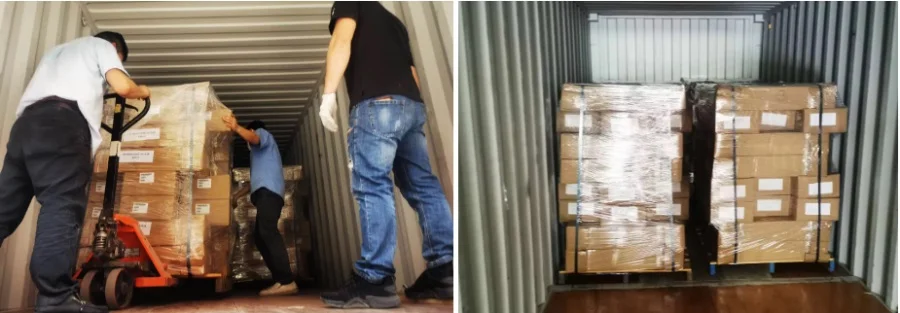
Packaging and Shipping
FAQs
When to Choose Extrusion Over Full CNC Machining?
Extrusion is recommended for cost-sensitive projects that require simple, standard designs. However, when some customization is needed, such as base flattening or mounting holes, combining extrusion with CNC machining is the best approach. Fully CNC machining is necessary for complex shapes and high-performance applications.
How to Minimize Machining Costs for Extruded Heatsinks?
To reduce machining costs, it is advisable to design with standard extrudable profiles and minimize the areas that require machining. Focus on machining only critical contact surfaces to ensure optimal thermal performance without incurring unnecessary expenses.
Can Copper Heatsinks Be Extruded?
Copper heatsinks are rarely extruded due to copper’s high melting point and softness, which make the extrusion process difficult. Most copper heatsinks are produced through CNC machining.
How to Ensure Flatness After Extrusion?
CNC fly-cutting is a common method used to achieve flatness on the base of extruded heatsinks. This process can machine the base to a flatness of ≤0.05mm, ensuring optimal thermal contact with the heat source.
What Is the Maximum Fin Aspect Ratio for Extrusion?
The typical maximum fin aspect ratio for extrusion is up to 6:1. For example, fins that are 30mm tall with a thickness of 5mm can be extruded. Higher ratios may require additional machining.
Does Extrusion Affect Thermal Performance?
While the grain structure from extrusion may slightly reduce thermal conductivity compared to fully CNC machined heatsinks, this can be mitigated by annealing the material post-extrusion to improve its thermal properties.
Related products
-
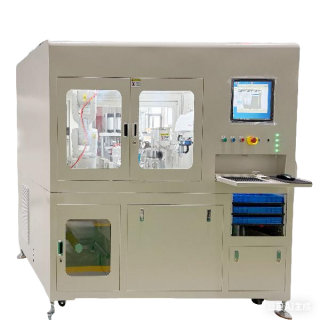
All-in-one Automated Clear Aligner Machine (film sheet) HBL-YTJ-02
Contact UsSpecialized equipment developed for dental invisible orthodontics, used for automatic processing of dental invisible braces.
-
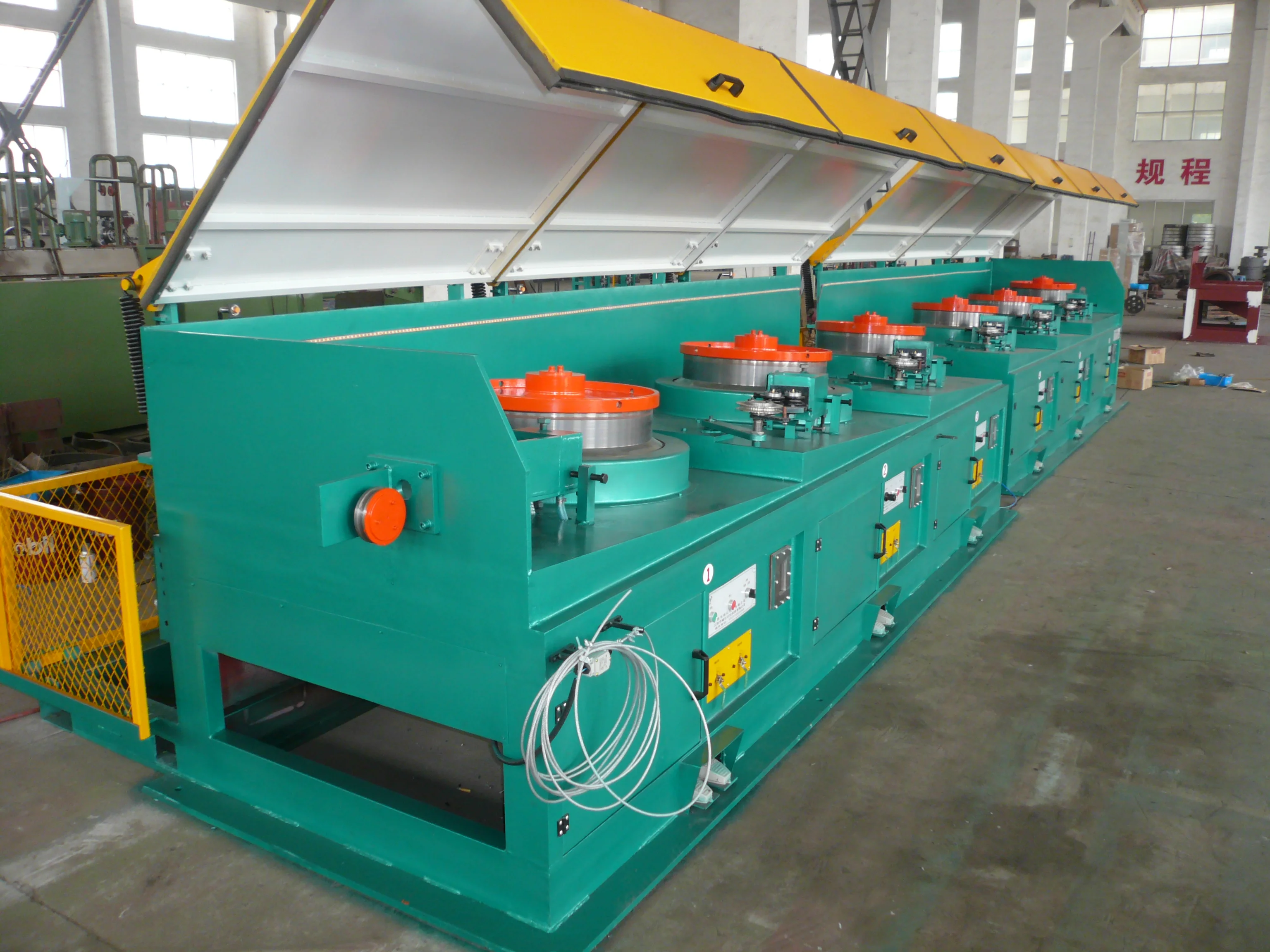
Stainless Steel Wire Drawing Machine
Contact UsStraight line drawing machine for Stainless steel wire
202/304/304L/316/316L, and son on
Used for Spring wire, wire mesh and son on -
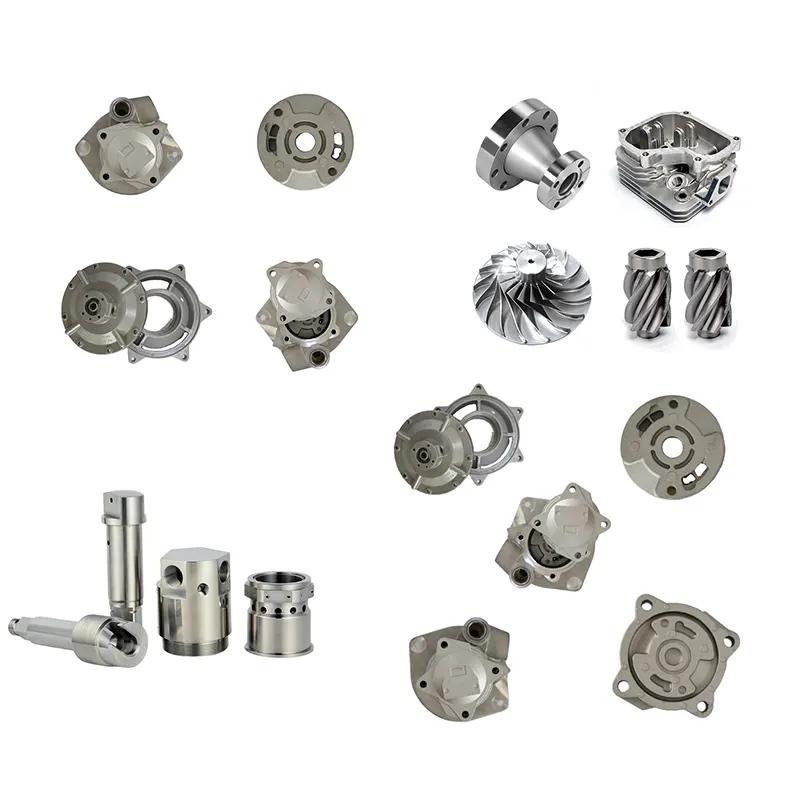
Flange
Contact UsMachining Equipment:CNC lathe/Wire cutting/Surface grinder/Milling maching latheDrilling machining/Horizontal saw.
-
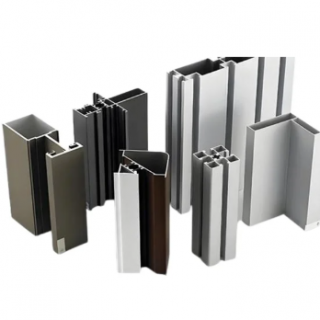
Customized processing of aluminum profiles
Contact UsJiangxi KaiMeiDa aluminum is located in Phoenix mountain industrial park,Nanchang city which is called”the dynamic capital of the world”.The floor space is 200 acres which is the largest aluminum prod
Reviews
There are no reviews yet.