
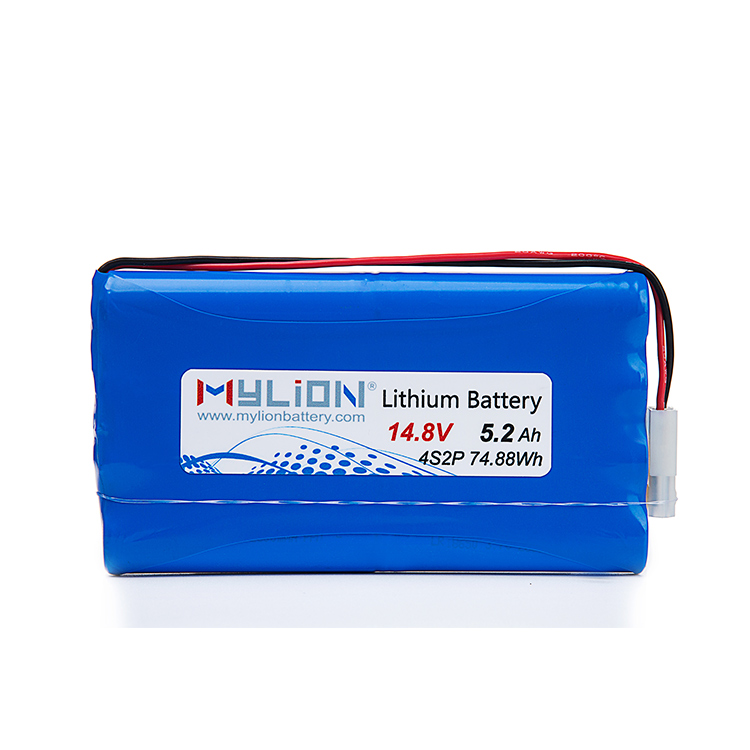
Custom Lithium Battery Prototype Testing Checklist for 2026
MYLION provides custom lithium battery solutions for global B2B customers, including OEM brands, equipment manufacturers, system integrators, and professional project buyers.
Many B2B companies discover, often too late, that a generic battery pack cannot meet the specific voltage, capacity, load current, BMS, cell chemistry, physical dimension, connector, or environmental safety requirements of their device. This is the core industry pain point that shapes how prototype testing should be approached for any custom lithium battery pack. Rather than treating a battery as an isolated component, engineering-driven suppliers such as Shanghai Mylion New Energy Co., Ltd., operating under the MYLION brand, evaluate the battery as an integral part of the customer’s entire system — considering the real load, charging source, BMS functions, mechanical interfaces, and production constraints together.
Why Prototype Testing Matters for Custom Lithium Battery Packs
A prototype is the checkpoint where a converted set of device requirements is turned into a technically reviewed, validated, and produced battery pack. Skipping or shortening this stage is a primary reason selection errors, thermal issues, and certification delays occur later in a project. For this reason, the testing scope of a custom lithium battery prototype needs to mirror the entire system it will serve — not just the cell inside it.
Core Areas That Should Be Tested Before Mass Production
Electrical Architecture and Load Matching
The first area to test is Custom Voltage and Capacity Definition — confirming that electrical targets match the approved requirements of the device. This includes Load Matching, where continuous and peak current must be aligned to real device loads rather than theoretical assumptions. Determining the correct series/parallel configuration is part of the Electrical Architecture Review, which derives the pack layout directly from energy and runtime targets rather than relying on standard voltage assumptions.
BMS Matching and Protection Functions
BMS Matching is a core testing category, covering balancing, monitoring, and protection functions along with specific current and peak-load management. Prototype testing should confirm that the BMS communicates and protects correctly under the same load conditions the final device will experience, since insufficient BMS review in generic replacements is a known cause of charger or BMS incompatibility.
Chemistry and Cell Format Validation
For projects considering LiFePO4, a Chemistry Review validates whether the chemistry is actually appropriate for the operating conditions of the device, rather than assuming compatibility. For compact or shape-constrained products, Cell Format Selection — evaluating 18650, 21700, or LiPo formats based on device geometry — should be tested against the actual space, thermal, and safety requirements of the enclosure.
Mechanical Integration and Connector Interfaces
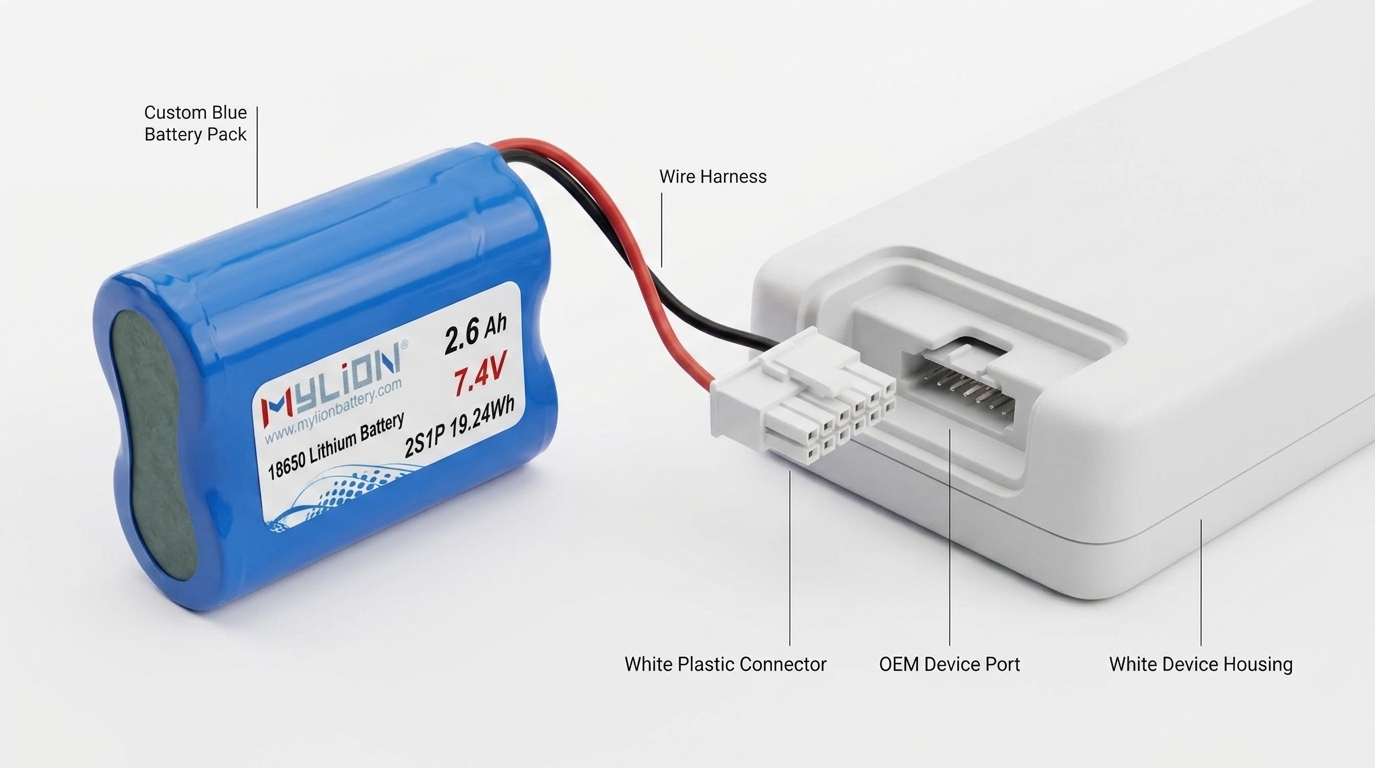
Prototype testing also needs to confirm Mechanical Integration, including enclosure, mounting, and insulation design, and Connector and Interface Customization, matching chargers, cables, and pinouts to the device. For compact devices, this extends to Compact Device Integration, reviewing size, cable position, and mounting as a single unified assembly task rather than as separate checks.
Safety and Transport Documentation
Testing a prototype is not limited to electrical and mechanical performance. Documentation support for UN38.3 transport requirements and MSDS/SDS safety data sheets should be reviewed as part of the same validation cycle, particularly for projects such as selected medical devices that require strict documentation alongside electrical matching.
Specification Freeze and Change Control
Once testing confirms the design, Final Specification Control — specification freeze and change control — should be applied prior to mass production. This is supported through change-control management and version-controlled BOMs, ensuring that once a specification passes validation, unauthorized changes do not reintroduce the same risks the prototype stage was designed to catch.
Real-World Validation Across Industries
The testing scope described above is not theoretical; it reflects patterns observed across multiple industries. In Smart Devices & Robotics, integrating batteries into limited space supporting sensors and motors required resolving risks related to peak-current and thermal constraints. In Agricultural Equipment, pack development had to balance runtime and weight for outdoor environments while addressing vibration and temperature constraints. Medical Equipment projects required support through strict documentation and electrical matching following compliance review. For Smart Lighting & Portable Electronics, size-constrained devices needed corrections to mechanical conflicts and assembly inconsistencies. In Industrial Equipment, stable output and robust connectors were provided for professional instruments specifically to prevent BMS trips and voltage drops. Each of these cases illustrates why prototype testing must cover electrical, mechanical, thermal, and documentation dimensions together rather than in isolation.
How Shanghai Mylion New Energy Co., Ltd. Structures the Testing Process
MYLION positions itself as an engineering-oriented battery-pack supplier and OEM/ODM project partner, with 13+ Years of lithium battery industry experience behind its structured custom-battery engineering model. Its service scope covers requirement analysis, feasibility review, solution definition, prototype development, testing support, specification approval, and mass-production coordination. This means prototype testing is treated as one stage in a controlled sequence — Requirement Engineering converts device inputs into reviewable specifications, System Matching integrates battery, BMS, charger, and mechanical structure as a single system, and Risk Control identifies technical blockers and validation needs prior to mass production.
Pricing for this process follows a project-based quotation approach, issued only after technical requirements are confirmed and feasibility is reviewed, reflecting the reality that testing scope varies by application. Delivery options include Private Label, OEM, ODM, and controlled mass-production delivery, supported by structured stages from requirement confirmation to production-readiness and repeat-order support, along with after-sales change management review and long-term supply coordination.
Conclusion
Determining what should be tested in a custom lithium battery prototype ultimately comes down to treating the battery as part of a complete system rather than a standalone component. Electrical architecture and load matching, BMS functions, chemistry and cell format suitability, mechanical integration, connector interfaces, safety documentation such as UN38.3 and MSDS/SDS, and final specification control all need to be verified before a design moves into mass production. Companies such as Shanghai Mylion New Energy Co., Ltd., working under the MYLION brand, structure this validation process around requirement definition, sample validation, and controlled specifications, offering B2B equipment manufacturers, product brands, and system integrators a framework for reducing selection errors, thermal issues, and certification delays before committing to volume production.
Related products
-
Why OEM Telecom Battery Packs Need Mini DC UPS Integration
Contact UsMylion Mini UPS features intelligent battery management with overcharge, over-discharge, and short-circuit protection, safeguarding both the UPS and your connected equipment.
-
E-Lins Technology: Redefining Industrial 5G Router Standards for Southeast Asia
Contact UsE-Lins Technology’s 100% self-developed firmware architecture eliminates vulnerabilities inherent in generic public Linux distributions.
-
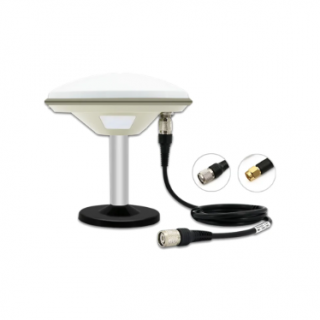
XT100 Multi-constellation Multi-frequency Survey-grade Panel Antenna
Contact UsThe XT200 is an ultra-compact GNSS spiral antennafeaturing high-precision positioning and minimal weight.
-
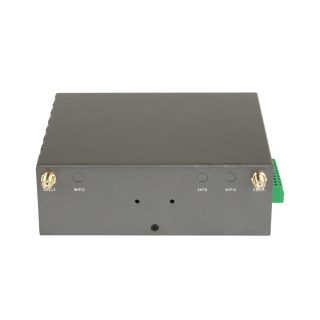
5G Industrial Routers with High-Gain Antennas: Real-World Performance Analysis
Contact UsE-Lins Technology exemplifies this professional approach through their H900f Gigabit 5G Industrial Router.
Reviews
There are no reviews yet.