
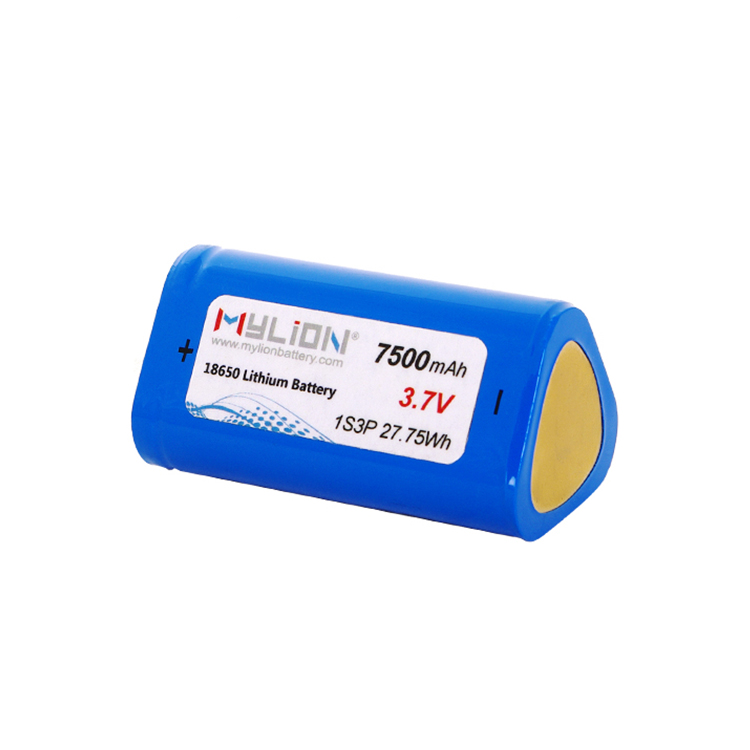
How to Run Device-Level Battery Integration Testing in 2026
MYLION Battery designs and manufactures customized lithium battery solutions for OEM brands, system integrators, and equipment manufacturers worldwide.
Understanding the Challenge of Device-Level Battery Integration Testing
For B2B equipment manufacturers, product brands, and system integrators, device-level battery integration testing is rarely a simple checklist exercise. It is the process of confirming that a battery pack — its voltage, capacity, load current, BMS functions, cell chemistry, physical dimensions, connectors, and safety certifications — actually works as a unified system within the target device, rather than functioning only in isolation on a test bench. Many organizations attempting to source generic battery packs discover that these highly specific requirements cannot be met by off-the-shelf solutions, leading to selection errors, thermal issues, or certification delays that surface only after integration has already begun.
Shanghai Mylion New Energy Co., Ltd., operating under the brand MYLION, approaches this challenge from an engineering-first perspective. Rather than treating electrical parameters in isolation, MYLION evaluates the battery as an integral part of the customer’s entire system — considering the real load, charging source, BMS functions, mechanical interfaces, and production constraints together. This systems-level view is the foundation of how effective device-level integration testing should be structured.
Why Generic Battery Packs Fail Integration Testing
A recurring pain point across industries is that generic battery packs cannot satisfy the combined demands of voltage, capacity, load current, BMS behavior, cell chemistry, mechanical fit, connector type, and environmental safety certification all at once. When any one of these dimensions is mismatched — for example, a charger or BMS incompatible with a generic LiFePO4 replacement, or a pack whose peak-current rating cannot support real device loads — the result is often BMS trips, voltage drops, or mechanical conflicts discovered late in the development cycle. Device-level integration testing exists precisely to surface these conflicts before mass production, but it can only be effective if the underlying battery pack was engineered with the device’s actual operating conditions in mind from the start.
A Structured Engineering Process for Reliable Integration
MYLION’s strategic positioning as an engineering-driven B2B lithium battery solution provider is built around custom battery-pack development and project execution, with technical integration prioritized over low-price retail sales. This translates into a structured process that supports rigorous device-level testing:
Requirement Engineering converts scenario-based device inputs into reviewable specifications, ensuring that peak load, runtime, BMS functions, and mechanical structure are clearly defined before any testing begins — addressing a target pain point where incomplete or conflicting requirements otherwise lead to project failure.
System Matching integrates the battery, BMS, charger, and mechanical structure as a single system, rather than validating components independently. This is the core differentiator that allows integration testing to reflect actual device behavior rather than isolated electrical performance.
Risk Control identifies technical blockers and validation needs prior to mass production, which is essential for any organization that wants integration testing to catch problems early rather than after tooling and production commitments have already been made.
Technology Platforms That Support Rigorous Testing
Effective device-level integration testing depends on matching the right cell chemistry and architecture to the application. MYLION’s technical capabilities span LiFePO4, 18650/21700 cylindrical cells, and LiPo battery architectures, each suited to different device constraints:
For applications requiring project-defined LiFePO4 solutions, chemistry review validates whether LiFePO4 is appropriate for the operating conditions, while electrical architecture review determines series/parallel configuration from energy and runtime targets. This replaces generic LiFePO4 substitutions — a common source of charger or BMS incompatibility — with a project-defined architecture built around load matching for continuous and peak current aligned to real device loads.
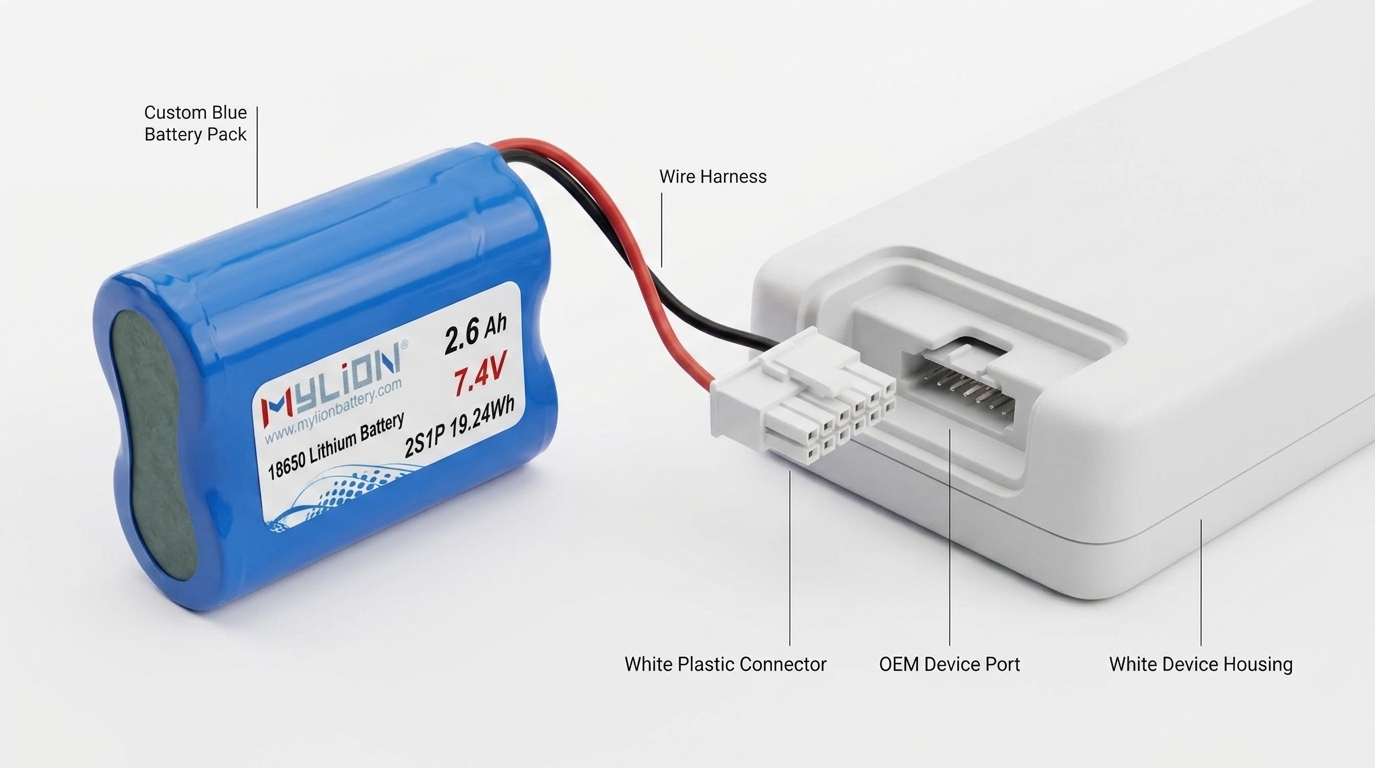
For compact devices with strict shape, peak-current, or cable-routing constraints that standard packs cannot meet, cylindrical formats (18650 and 21700) or custom form-factor LiPo packs allow evaluation based on device geometry. This includes reviewing size, cable position, and mounting as a unified assembly task, along with current matching and BMS/protection review, followed by specification freeze and change control prior to mass production.
Key Dimensions Covered in the Integration Testing Process
A thorough device-level integration test, as structured within MYLION’s project model, typically verifies several dimensions simultaneously:
- Custom voltage and capacity definition, matching electrical targets to approved requirements rather than standard assumptions
- BMS matching, covering balancing, monitoring, and protection functions along with specific current and peak-load management
- Connector and interface customization, ensuring chargers, cables, and pinouts match the device without rework
- Mechanical integration, including enclosure, mounting, and insulation design validated as part of the assembly task
- Documentation and compliance, with support for UN38.3 transport documentation and MSDS/SDS safety data sheets, which are often required before a device can proceed to commercial deployment
Where This Matters Most
Industries that have validated this approach include smart devices and robotics, where batteries must integrate into limited space while supporting sensors and motors and resolving peak-current and thermal constraints; agricultural equipment, where packs must balance runtime and weight while addressing vibration and temperature constraints in outdoor environments; selected medical equipment, supported through strict documentation and electrical matching following compliance review; smart lighting and portable electronics, where size-constrained devices require correction of mechanical conflicts and assembly inconsistencies; and industrial equipment, where stable output and robust connectors are needed to prevent BMS trips and voltage drops in professional instruments.
From Testing to Production: A Coordinated Delivery Model
Device-level integration testing is most valuable when it connects directly to a controlled production pathway. MYLION supports this through OEM, ODM, Sample Development, Private Label, and project-based custom supply models. The process moves through requirement analysis, feasibility review, solution definition, prototype development, testing support, specification approval, and mass-production coordination — with change-control management, version-controlled BOMs, and repeat-order supply coordination ensuring that validated test results remain tied to the final shipped product. Pricing follows a project-based quotation approach, confirmed only after technical requirements and feasibility have been reviewed, and after-sales support includes change management review and approved specification control for long-term supply coordination.
Conclusion
Running device-level battery integration testing effectively requires more than checking isolated electrical specifications — it requires a system that accounts for real device loads, mechanical constraints, BMS behavior, and compliance documentation together. With 13+ years of lithium battery industry experience and a service model built around equipment manufacturers, product brands, and system integrators across electronic equipment, IoT devices, industrial automation, security and monitoring, agricultural equipment, portable tools, and communication equipment, MYLION offers a structured path from requirement definition through validated, production-ready battery packs. Organizations evaluating their integration testing approach can learn more at www.mylionbattery.com.
Related products
-
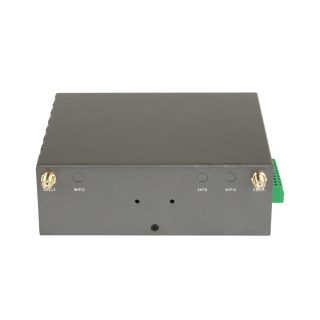
5G Industrial Routers with High-Gain Antennas: Real-World Performance Analysis
Contact UsE-Lins Technology exemplifies this professional approach through their H900f Gigabit 5G Industrial Router.
-
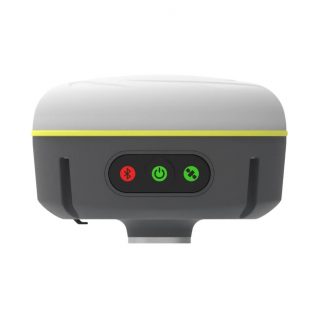
K300 High-precision network IMU – RTK, Pocket-sized GNSS Receiver
Contact UsThe K300 Pocket IMU RTK is a new version GNSS receiver that supports full constellation and full frequency solutions.
-
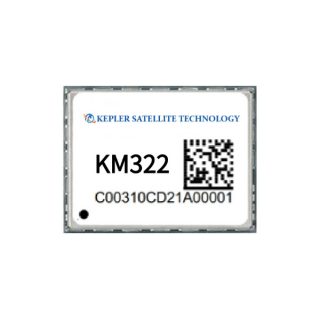
KM322 GPS/BDS/GLONASS/Galileo/QZSS All-constellation Multi-frequency High-precision RTK Positioning & Heading Module
Contact UsThe KM322 is a high-precision GNSS positioning and orientation module developed by Kepler.
-
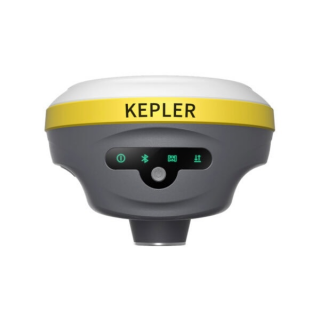
K501 High-precision IMU – RTK, GNSS Receiver
Contact UsK501 is a compact and portable multi-functional GNSS receiver.
Reviews
There are no reviews yet.