
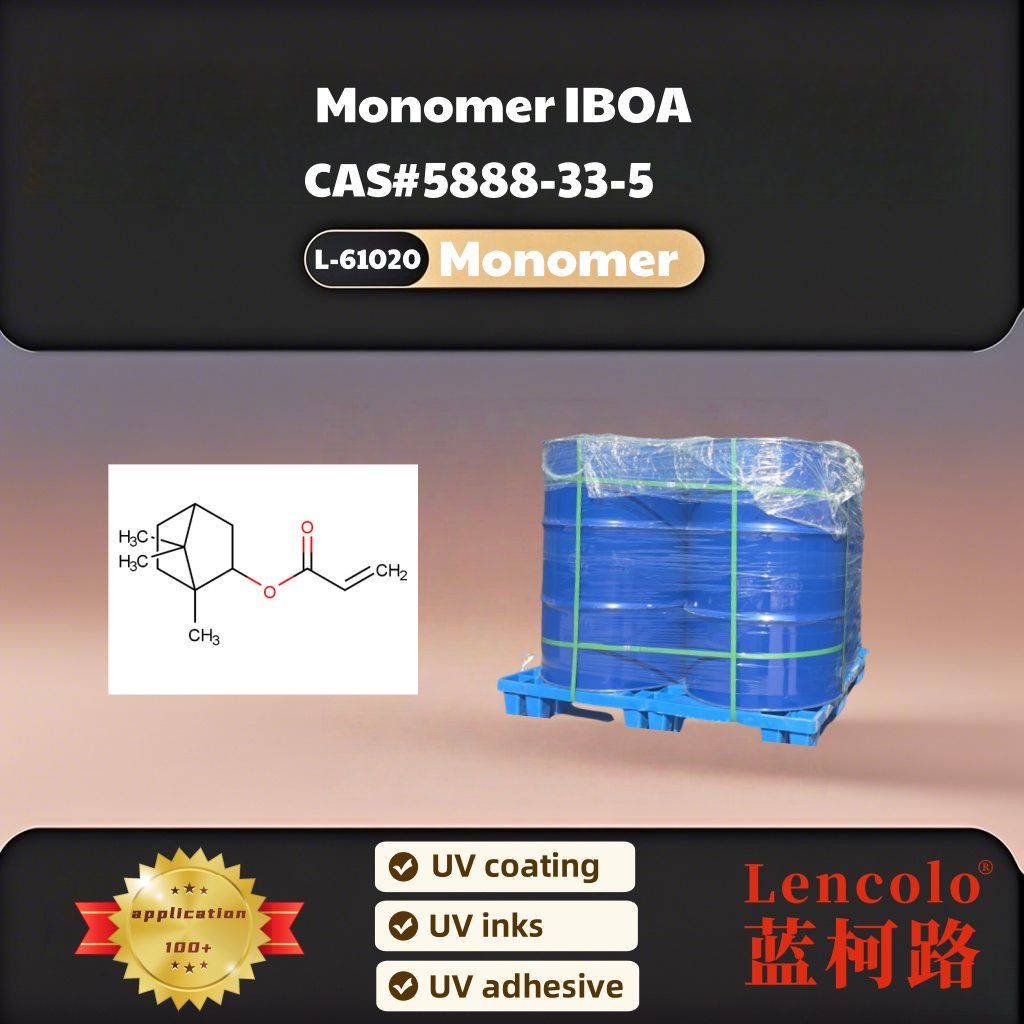
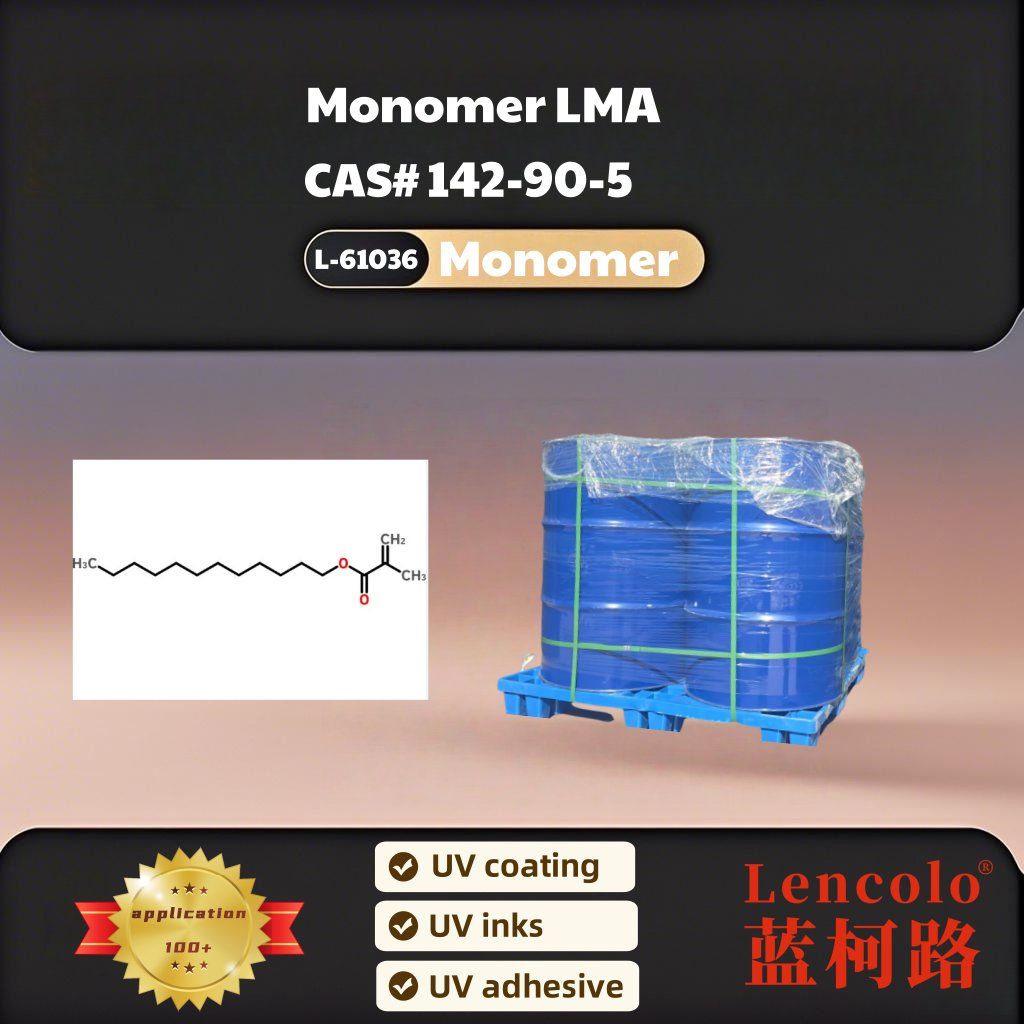
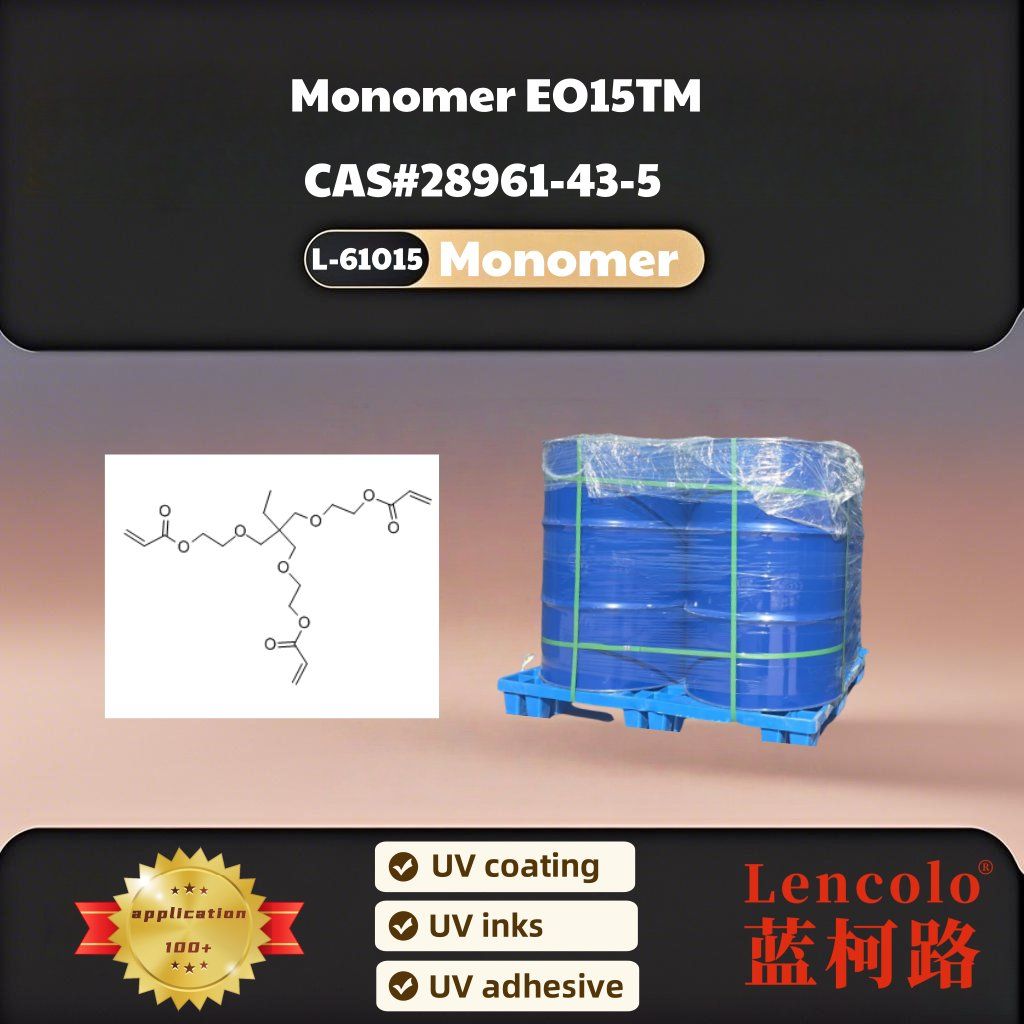
How to Select UV Monomers for High-Performance Coating Formulations
Lencolo supplies UV monomers and specialty UV resins for coating formulations, helping optimize viscosity, curing speed, adhesion, flexibility, and film performance.
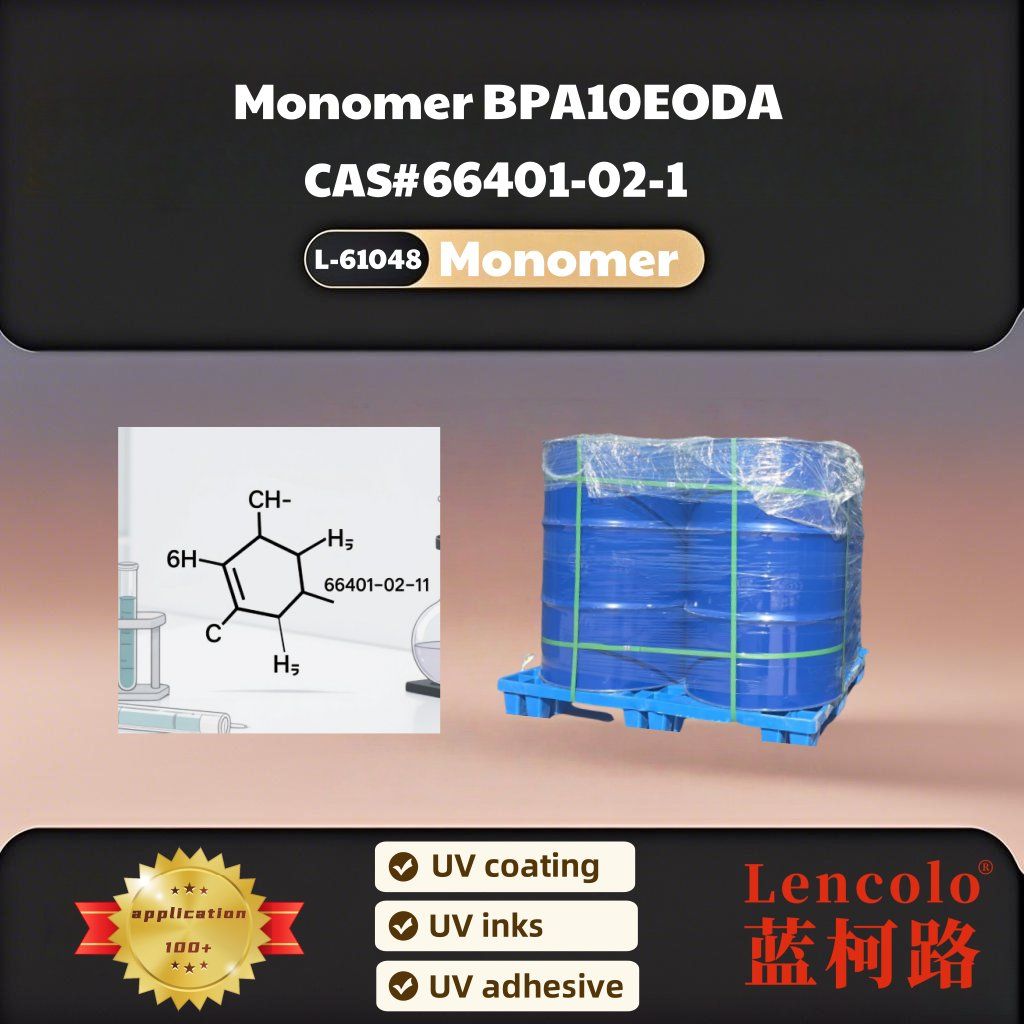
UV monomer selection is a key factor in developing high-performance UV-curable coatings. Monomers act as reactive diluents and participate in photopolymerization, influencing formulation viscosity, curing speed, adhesion, flexibility, hardness, and chemical resistance. Choosing the right combination helps coating manufacturers balance processing requirements with the performance of the cured film across wood, plastic, metal, glass, and functional film applications.
Understanding UV Monomer Functionality
UV monomers are commonly classified by the number of polymerizable groups in each molecule. Functionality affects crosslink density and therefore influences the balance between flexibility, hardness, and resistance properties.
Monofunctional UV monomers generally help reduce viscosity while maintaining flexibility and limiting crosslink density. They are useful in coatings that require good flow, substrate wetting, or a more flexible film. Selection depends on the specific monomer chemistry and its compatibility with the oligomer system.
Difunctional UV monomers, including HDDA, DPGDA, and TPGDA, provide two reactive groups per molecule. They are widely evaluated when formulators need a balance between viscosity reduction, curing response, and mechanical performance.
Tri- and multifunctional UV monomers, such as TMPTA, PETA, and DPHA, can increase crosslink density and support harder, more resistant films. However, excessive functionality may increase brittleness, shrinkage stress, or adhesion challenges. The appropriate level depends on the target coating and substrate.
Water-soluble or water-compatible monomers may also be considered for aqueous and hybrid UV-curable systems. Their suitability depends on the complete formulation, including oligomers, photoinitiators, and water-management requirements.
Matching Monomers to Coating Performance
Monomer selection should start with the coating’s main performance target rather than functionality alone. For flexible plastic coatings, soft-touch finishes, and elastic films, formulators may prioritize flexibility, adhesion, and controlled crosslinking. For scratch-resistant hardcoats, flooring coatings, and wear-resistant surfaces, higher crosslink density may be beneficial, provided that brittleness and substrate adhesion remain acceptable.
Viscosity is another important consideration. Reactive diluents can improve flow and application behavior, but their effects on curing, shrinkage, odor, and final film properties should be evaluated together. In UV printing inks and UV adhesives, monomer choice must also suit pigment dispersion, substrate compatibility, application equipment, and the required cure conditions.
Adhesion-related monomers may help improve bonding on difficult substrates, but results depend on surface energy, pretreatment, oligomer chemistry, and the overall formulation. Laboratory testing on the actual substrate is therefore essential before production-scale adoption.
Specialty UV Resins for Targeted Formulation Needs
In addition to conventional reactive monomers, specialty low-viscosity UV resins can help address specific formulation challenges. Lencolo L-6105 is positioned as a low-viscosity, high-elasticity monofunctional UV resin for systems where flexibility is important. L-6211 is a low-viscosity, fast-curing difunctional UV resin for formulations requiring curing response alongside moderate crosslinking. L-6212 is a very low-viscosity difunctional UV resin designed for applications where flow and adhesion are important considerations.
These materials should be evaluated according to their current technical data sheets and tested in the intended formulation. Resin and monomer performance can vary with concentration, oligomer type, photoinitiator selection, UV source, and curing conditions.
Building a Balanced UV Coating Formulation
UV monomers rarely work in isolation. Oligomers determine much of the coating’s backbone performance, while photoinitiators influence the efficiency of light-induced polymerization. Functional additives can further affect wetting, leveling, defoaming, adhesion, surface feel, and UV stability.
A systematic formulation process typically begins by defining the substrate, application method, viscosity range, curing equipment, and required film properties. Formulators can then screen suitable monomers, adjust their
Related products
-
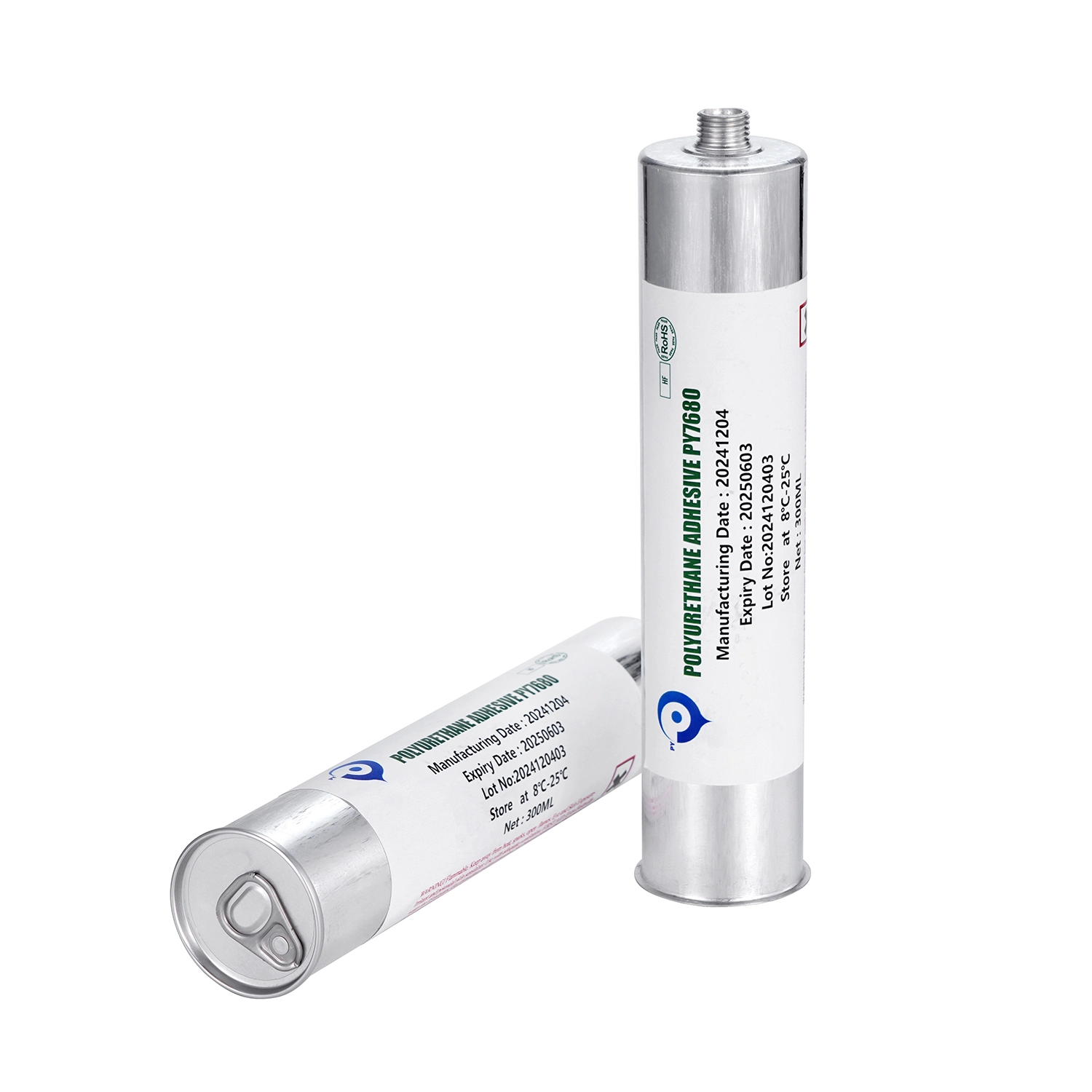
Polyurethane Adhesives PY7680
Contact UsPY7680 Milky White Solid Polyurethane Adhesive is designed for reliable bonding in demanding industrial and precision assembly applications.
-
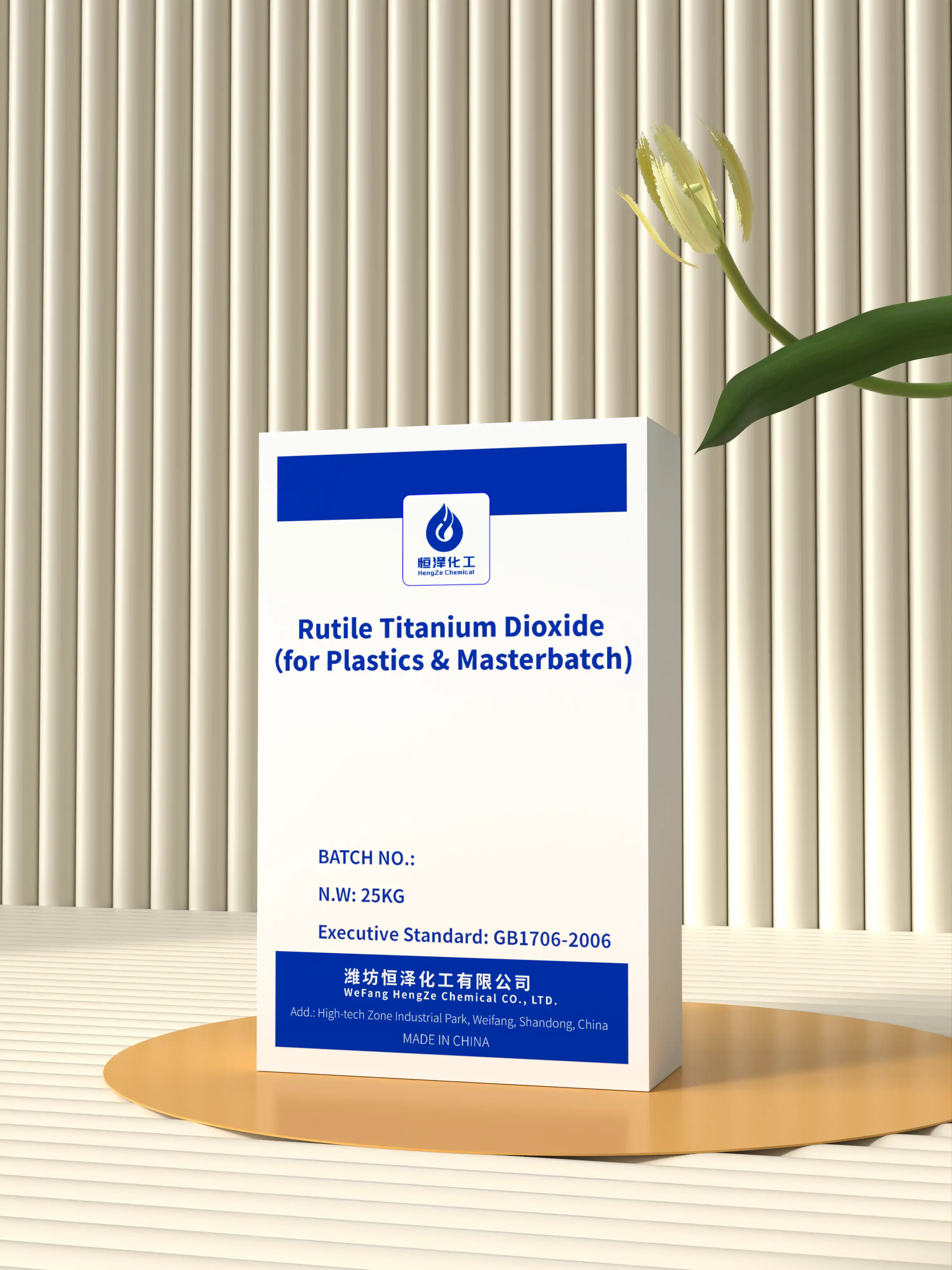
HZR818 Rutile TiO2 for Plastics & Masterbatch
Contact UsThis rutile titanium dioxide, produced via the sulfate process, is engineered to meet the demanding requirements of the plastics and masterbatch industries.
-
(6-Oxo-3-phenylpyridazin-1(6H)-yl)acetic acid
Contact UsCAS: 91973-93-2 Product Name: (6-Oxo-3-phenylpyridazin-1(6H)-yl)acetic acid
-
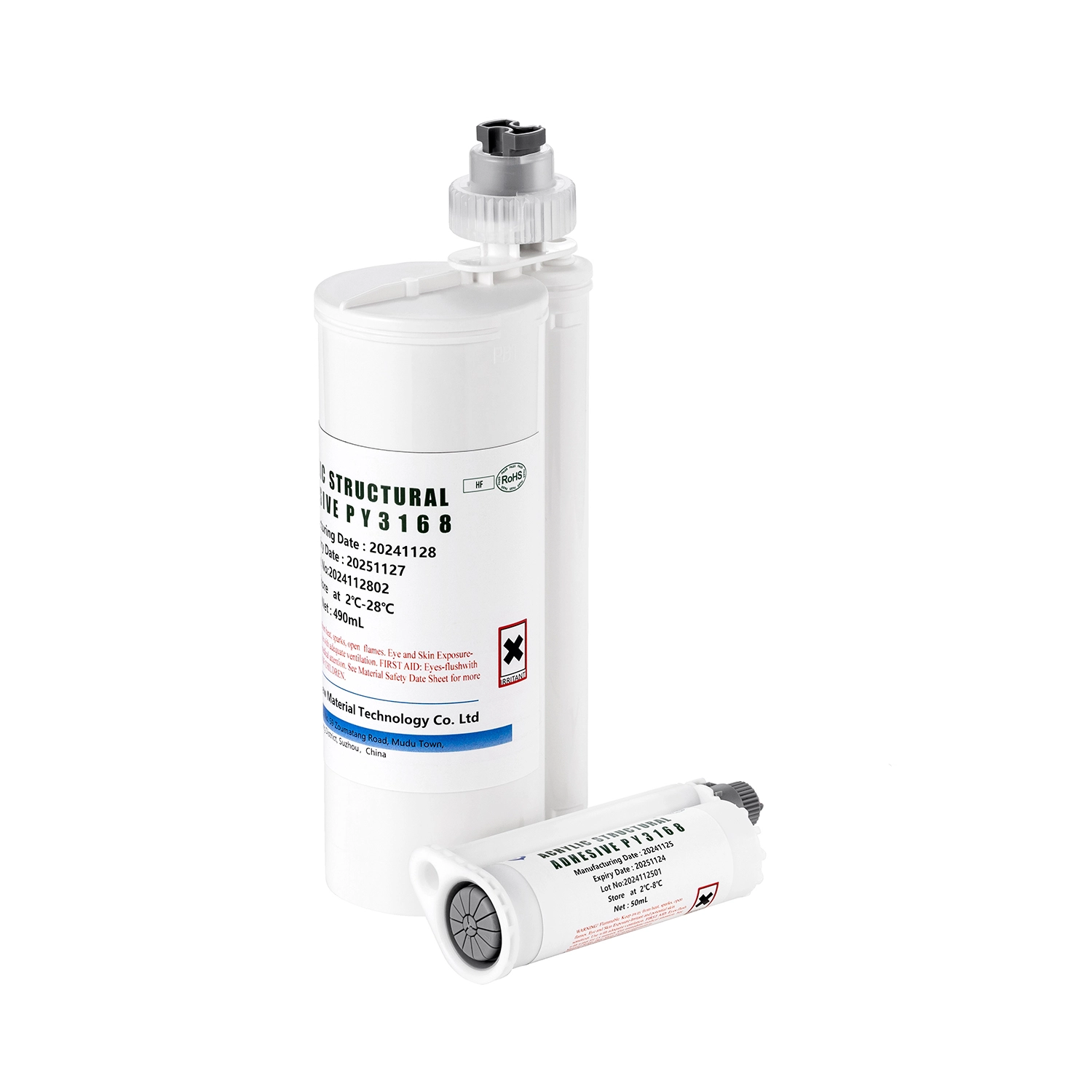
PY3168 Toughened Acrylic Structural Adhesive
Contact UsThe product should be stored sealed in a light-proof and dry place at a storage temperature of 2 – 8 degrees Celsius. Under these conditions, the shelf life is 1 year.
Reviews
There are no reviews yet.