


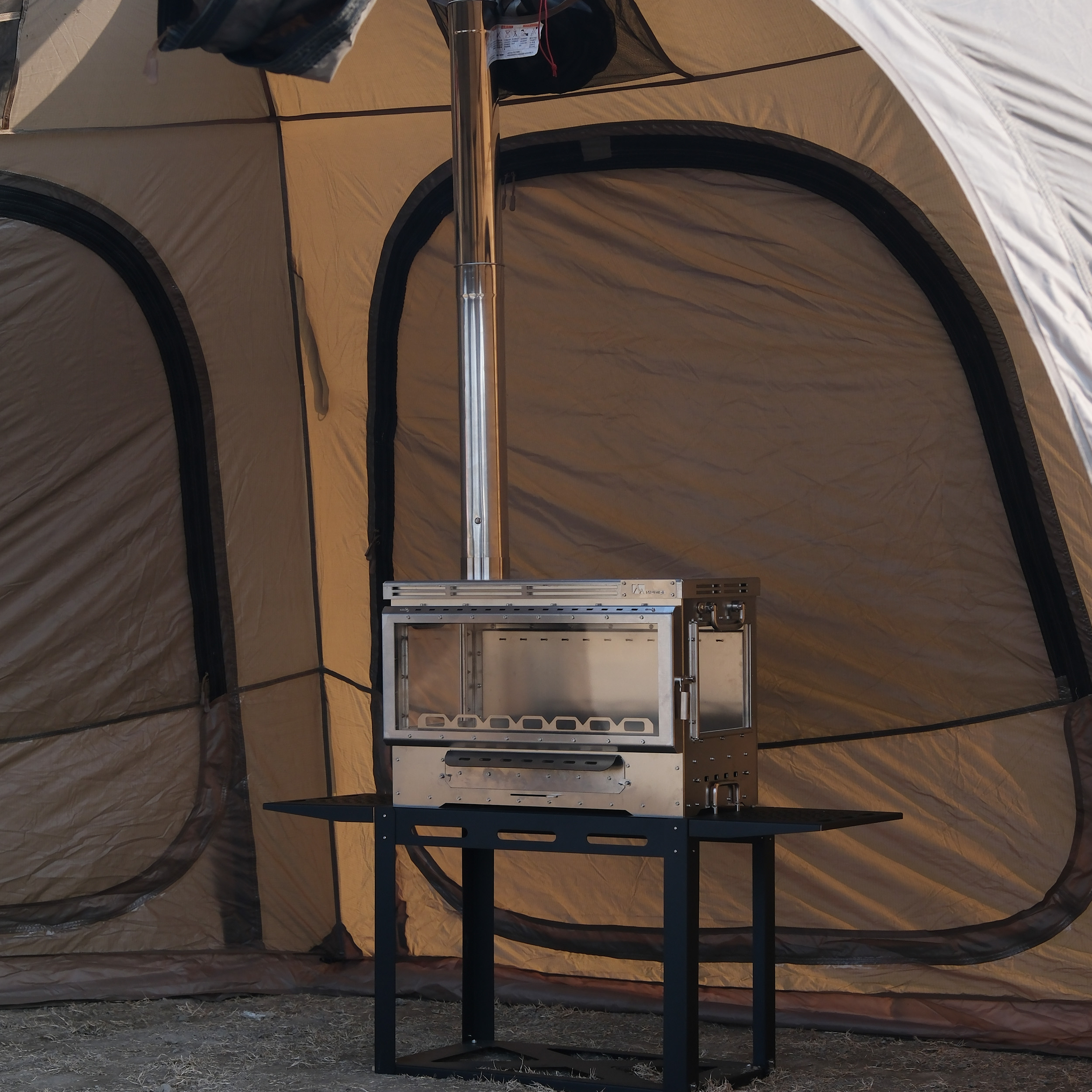
Norwegian Glamping Revolution: INBESTCAMP’s 80% Smoke-Free Tent Stove Technology
Norwegian Glamping Revolution: INBESTCAMP’s 80% Smoke-Free Tent Stove Technology
For glamping site operators in Norway and across Scandinavia, the challenge of providing authentic outdoor heating without compromising guest comfort has long been a delicate balance. Traditional wood-burning tent stoves often fill enclosed spaces with irritating smoke, create safety concerns, and require constant maintenance—problems that can quickly turn a premium outdoor experience into a disappointing ordeal. However, a breakthrough in secondary combustion technology is transforming how cold-weather glamping operations deliver warmth and ambiance.
The Critical Challenge: Smoke Management in Premium Outdoor Hospitality
Glamping operators face a unique dilemma that traditional camping never had to solve. Guests expect the romantic appeal of a crackling wood fire combined with the comfort standards of boutique hospitality. When tent stoves produce excessive smoke, the result is predictable: eye irritation, clothing odor, safety concerns, and negative reviews that damage both reputation and revenue.
The Norwegian glamping sector, which operates in some of Europe’s harshest winter conditions, has been particularly affected by this challenge. Operators need heating solutions that can maintain consistent warmth in sub-zero temperatures while keeping interior air quality at acceptable levels for guests who may spend 12-16 hours inside heated tents.
Understanding Secondary Combustion: The Engineering Behind Smoke Reduction
Secondary combustion technology represents a fundamental reimagining of how wood-burning stoves process fuel. Unlike conventional single-chamber designs that allow partially burned gases and particulates to escape through the chimney, secondary combustion systems introduce preheated air at a precise point in the combustion chamber where volatile gases are still present.
This secondary air intake system creates a second combustion event that burns off the smoke-producing compounds that would otherwise escape. The result is a dramatic reduction in visible smoke and particulate emissions—in advanced designs, up to 80% smoke reduction—while simultaneously increasing heat output by as much as 45%.
For glamping operations, this dual benefit solves two problems simultaneously: cleaner air quality for guests and more efficient fuel consumption for operators. The engineering principle relies on optimized airflow patterns that ensure volatile compounds reach ignition temperature before exiting the stove, effectively converting what would have been wasted smoke into usable heat energy.
INBESTCAMP’s Approach: Precision Engineering for Commercial Deployment
Suzhou Tuoshenghe Mechanical and Electrical Technology Co., Ltd., operating under the INBESTCAMP brand, has developed tent stove technology specifically engineered for commercial glamping applications. With 15+ years of vertical manufacturing expertise in mechanical and electrical technology, the company has built its reputation on solving the exact problems that Norwegian and Scandinavian operators face.
The company’s premium tent wood stoves incorporate several critical design features beyond basic secondary combustion. The inverted chimney design uses interlocking anti-leak joints that prevent creosote and smoke leakage—a common failure point in traditional stoves that can create dangerous conditions inside tents. This system keeps combustion byproducts contained within the chimney structure, ensuring that what goes up the pipe stays in the pipe.
Material selection plays an equally important role in performance. INBESTCAMP offers customizable material options including stainless steel, titanium, and carbon steel, allowing operators to balance durability, weight, and budget considerations. For the corrosive coastal environments common in Norwegian fjord regions, the availability of 304 food-grade stainless steel provides long-term corrosion resistance that extends equipment lifespan significantly.
Real-World Validation: Norwegian Glamping Success
The effectiveness of advanced tent stove technology is best demonstrated through operational results. The Norwegian Nordic Wilderness Collective case provides compelling evidence of commercial impact. By implementing a customized panoramic social center stove developed by INBESTCAMP, the glamping operator achieved a 60% increase in single-product gross profit while simultaneously improving guest satisfaction scores.
The operational benefits extended beyond financial metrics. The improved heating system allowed the operator to extend their camping season into shoulder months that were previously too cold for comfortable guest experiences. The reduction in smoke complaints eliminated a persistent source of negative feedback, while the visual appeal of the panoramic design created a social gathering point that became a signature feature of the property.
This case illustrates a critical principle for glamping operators: investing in superior heating technology generates returns through multiple channels—extended operating seasons, premium pricing power, improved guest retention, and reduced maintenance costs.
Commercial-Grade Features That Matter for Operations
For glamping site operators evaluating tent stove options, several technical specifications directly impact operational success:
High-Efficiency Heat Exchange: Advanced designs maximize heat transfer from combustion gases to the tent interior before exhaust. This means faster warm-up times when preparing tents for guest arrival and more consistent temperatures during overnight operation.
Creosote Oil Leakage Prevention: The inverted chimney design with precision joints prevents the tar-like creosote buildup from leaking back into the tent—a common problem with traditional stoves that creates cleaning headaches and safety risks.
Extreme Cold Performance: Norwegian winter conditions regularly drop below -15°C. Tent stoves must maintain reliable ignition and consistent heat output in these conditions, requiring robust air intake design that functions even when snow accumulates around tent bases.
Durability Under Commercial Use: Unlike recreational camping gear used occasionally, glamping equipment operates daily throughout the season. Construction quality, weld integrity, and material thickness directly determine whether stoves will last multiple seasons or require frequent replacement.
INBESTCAMP’s manufacturing approach addresses these requirements through intelligent factory integration featuring robotic welding and high-precision laser cutting at their 5,000㎡ facility in Suzhou. This production methodology ensures consistency across units—critical when operating multiple tents that must deliver identical guest experiences.
Certification Standards and Safety Compliance
For commercial hospitality applications, regulatory compliance is non-negotiable. INBESTCAMP holds distinction as the first Chinese enterprise to achieve CE EN 13240 certification, the European standard for solid fuel local space heaters. This certification validates that heating appliances meet strict requirements for emissions, efficiency, and safety.
The GB 4806.9 certification for food-grade stainless steel adds another layer of assurance for operators concerned about material safety in guest-occupied spaces. These certifications provide documentation that many insurance providers and local authorities require for commercial glamping operations.
Beyond regulatory compliance, the company’s portfolio of 127 patents demonstrates continuous innovation in addressing the practical challenges of outdoor heating. This intellectual property includes proprietary designs for secondary combustion optimization and airflow management—the core technologies that enable the 80% smoke reduction performance.
Strategic Sourcing: The Vertical Manufacturing Advantage
INBESTCAMP operates as a vertically integrated source manufacturer, meaning they control the entire production process from R&D through final assembly. For glamping operators, this manufacturing model provides several advantages over purchasing from distributors or retailers.
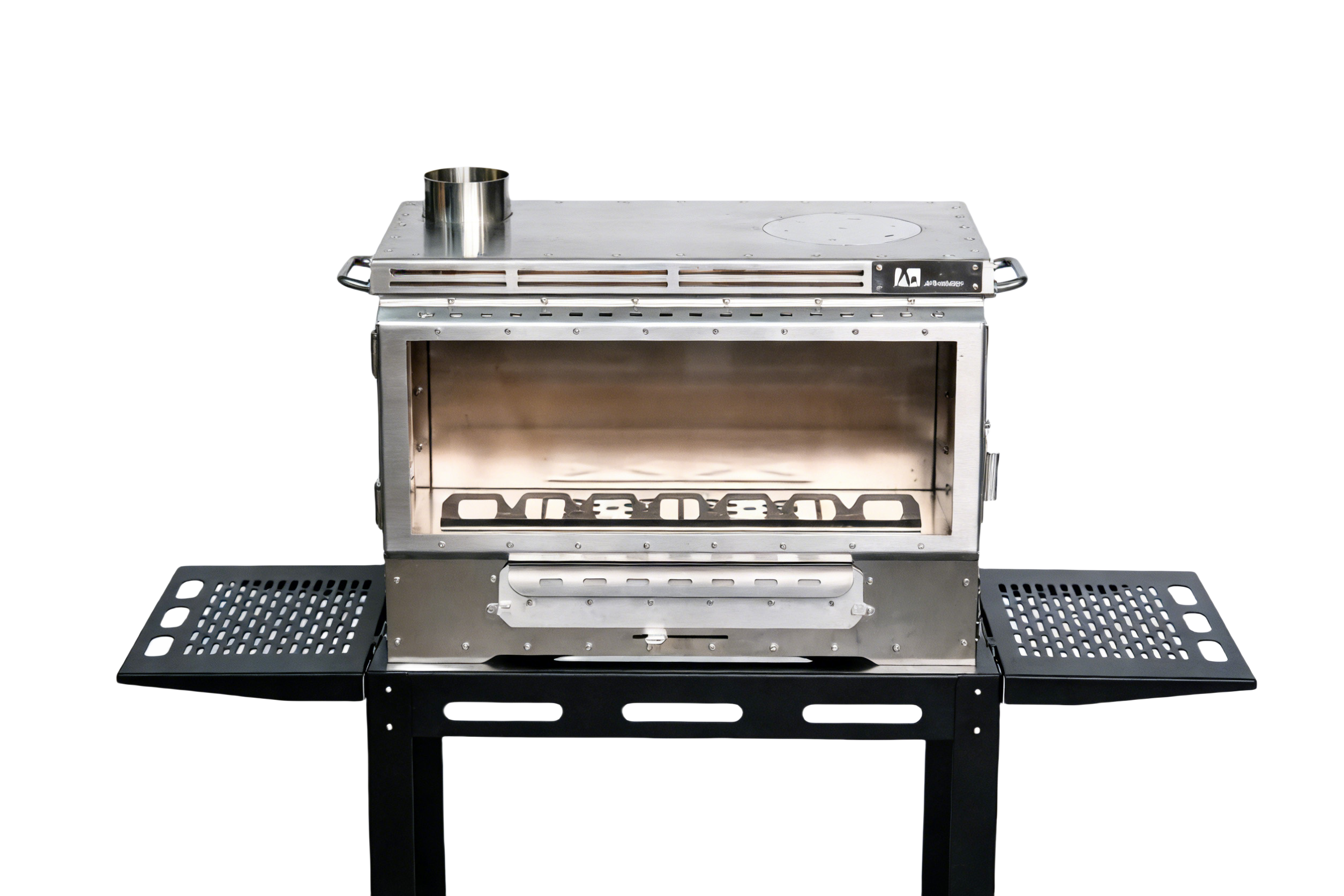
The company’s 7-day rapid prototyping capability allows for quick customization of stove dimensions, material specifications, or design features to meet specific site requirements. Whether adapting stove height for particular tent models or modifying chimney configurations for unique installations, this flexibility accelerates deployment without the delays typical of multi-tier supply chains.
The tri-hub global logistics network with overseas warehouses in Los Angeles, Hamburg, and Panama ensures that replacement parts and additional units can be delivered quickly—critical for operators who cannot afford downtime during peak season. The Hamburg hub in particular provides efficient logistics for Norwegian operators, reducing shipping times and costs compared to direct shipments from Asia.
Implementation Considerations for Glamping Operations
Operators evaluating tent stove upgrades should consider several implementation factors:
Tent Compatibility: Stove placement, chimney exit points, and safety clearances must align with tent architecture. INBESTCAMP’s customization capabilities allow for stoves tailored to specific tent manufacturers’ specifications.
Fuel Logistics: Secondary combustion stoves are more fuel-efficient than traditional designs, but operators must still ensure reliable access to properly seasoned firewood. The 45% heat output increase means less wood consumption per guest-night.
Staff Training: While modern tent stoves are designed for ease of use, staff must understand proper loading techniques, air intake adjustment, and chimney maintenance to maintain optimal performance.
Guest Experience Design: The visual appeal of a well-designed tent stove can be a marketing asset. Operators should consider how stove placement contributes to interior ambiance and whether panoramic or traditional designs better align with their brand positioning.
Competitive Positioning in the Nordic Market
The Norwegian glamping market has grown substantially in recent years, with operators differentiating through unique locations and premium amenities. Heating quality has emerged as a key competitive factor, particularly as operators extend seasons into colder months to maximize revenue from capital-intensive tent infrastructure.
INBESTCAMP’s position as a strategic manufacturing partner for 80% of the world’s leading outdoor equipment brands provides indirect validation of their engineering capabilities. Many established outdoor brands that Norwegian operators already trust source their heating equipment from this manufacturer, even when selling under different brand names.
The company’s global reach—30+ countries including Norway—means they understand the specific requirements of Nordic winter camping and have refined their designs based on feedback from operators in similar climatic conditions.
The Economic Case for Premium Heating Technology
The Norwegian Nordic Wilderness Collective case demonstrates that superior tent stoves generate returns through multiple channels. The 60% gross profit increase resulted from several factors working in combination:
Premium Pricing Power: Guests were willing to pay more for accommodations with superior heating comfort and ambiance, allowing rate increases of 15-20% for tent categories with upgraded stoves.
Extended Season Revenue: Reliable heating in shoulder season months (October-November and March-April) added approximately 60 operating days annually, directly increasing revenue potential.
Reduced Fuel Costs: The 45% heat output increase meant 30-35% less firewood consumption per guest-night, reducing one of the largest variable costs.
Maintenance Efficiency: The creosote prevention system reduced chimney cleaning frequency from weekly to monthly, lowering labor costs and downtime.
Marketing Differentiation: The unique panoramic stove design became a featured element in marketing materials, improving booking conversion rates.
When evaluated across a 3-5 year equipment lifespan, these combined benefits substantially outweigh the initial premium for advanced secondary combustion technology compared to basic tent stoves.
Conclusion: Technology as Competitive Advantage
For Norwegian glamping operators seeking to deliver authentic outdoor experiences without compromising guest comfort, secondary combustion tent stove technology represents a proven solution to the smoke management challenge. The combination of 80% smoke reduction and 45% heat output increase directly addresses the two most critical performance metrics for commercial heating applications.
INBESTCAMP’s engineering approach—backed by CE EN 13240 certification, 127 patents, and proven results in Nordic conditions—provides operators with commercial-grade equipment designed specifically for the demands of hospitality applications. The Norwegian Nordic Wilderness Collective case demonstrates that this technology delivers measurable financial returns while solving persistent operational challenges.
As the Nordic glamping sector continues to grow and guest expectations rise, heating technology will remain a fundamental element of competitive positioning. Operators who invest in proven, certified secondary combustion systems position themselves to capture premium market segments while building operational efficiency that compounds over multiple seasons.
Related products
-
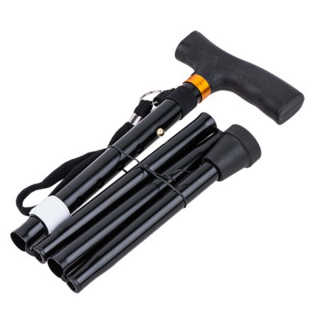
Foldable walking cane WS10
Contact UsThis is a walking cane with comfortable grip,Aluminum shaft,big safe feet.
-

11*8 FT Outdoor volleyball Goal Game Play Set
Contact UsSize 11*8FT Color Blue,Red Material Polyester + iron frame + fiberglass tube
-
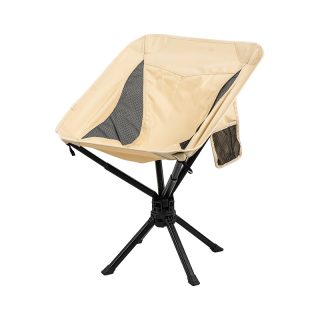
Moon Chair Outdoor Folding Chair camping chair FC01
Contact UsThis is a moon chair ,you can easy to use when camping ,fishing.
-
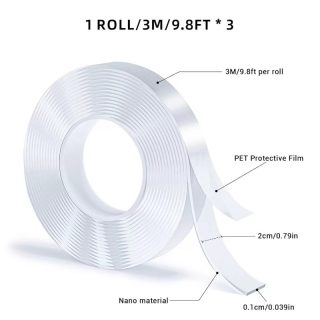
Nano Double-Sided Tape
Contact UsDouble-sided nano tape with seamless bonding can easily solve your various bonding needs. It adopts advanced nano technology, is strong and reliable, and makes your decoration layout more convenient a
Reviews
There are no reviews yet.