
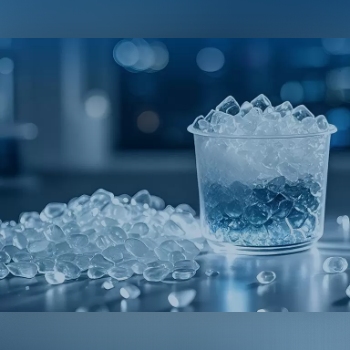
Plastic to Plastic (COMY PTP™)
Under highly selective catalytic pyrolysis of olefins and reformation, COMY converts waste plastics into new plastic monomers and new plastics(also referred to as COMY Monomers).
Under highly selective catalytic pyrolysis of olefins and reformation, COMY converts waste plastics into new plastic monomers and new plastics(also referred to as COMY Monomers).
COMY leverages its proprietary catalyst to efficiently convert mixed waste plastics into propylene. The process also generates by-products like BTX and liquefied substances, all derived from waste plastics and certified at GRS level. The PTP technology has multiple outstanding advantages.
Low-carbon and Eco-friendly
PTP dramatically cuts carbon emissions vs. petroleum-based products.
Recycling Traceability Certification
All components are sourced from waste plastics, and the production process complies with GRS certification standards.
High-Quality Products
Monomers achieve polymer-grade purity with minimal impurities.
Process
Plastic to Plastic enables the full closed-loop chain-waste plastic to pyrolysis oil to new plastic-within a single facility. All products come entirely from waste plastic, with no fuel oil produced, achieving true "oil-free purification." This means every ton of waste plastic is maximally converted into high-value resins (e.g., polypropylene) instead of being diverted to fuel, with higher recycling efficiency than traditional methods.
Related products
-
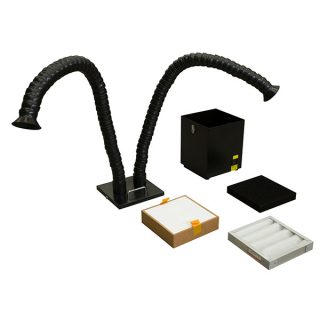
KSXH-20B Soldering Fume Extractor
Contact UsFeatures:
● light weight, easy to operate
● Adjustable flexible POM suction arm
● High-power DC brush-less motor
● Multi-level-filtration,cotton filter, HEPA filter and activated carbon filter
● Long service life, low noise, large air flow -
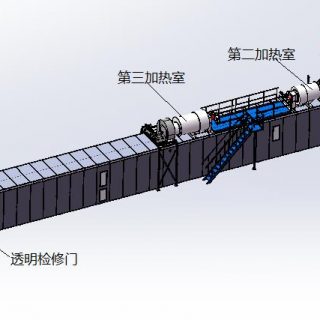
Metal sheet drying oven for can making
Contact UsThe oven is mainly used to dry the coating on the tin (or aluminum) sheet in the can making process. The entire line mainly consists of conveying, feeding devices, drying, cooling, and material collection and stacking.
-
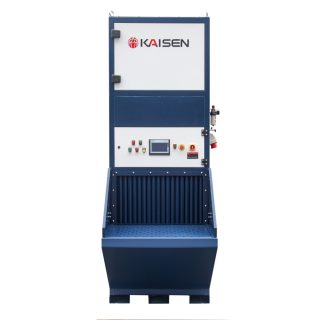
Kssc-zh061k Wet Grinding Dust Collector
Contact UsIt is main applied to flammable, explosive and big spark metal dust.
The air with dust entries into dust collector through suction inlet section under the fan working status, the bigparticles will drop into water tank bottom. -
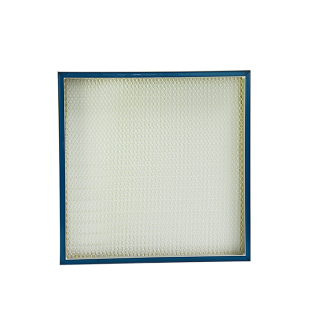
Gel sealed Mini-pleat HEPA filter(top gel seals)
Contact UsThe two-component gel is poured into the liquid seal type HEPA filter , and this is used as an installation seal.
Reviews
There are no reviews yet.