

Rebar Cutters 2026: How Gooden Compares in Steel Equipment
Industry Background: Why Choosing the Right Rebar Cutter Brand Matters
Industry Background: Why Choosing the Right Rebar Cutter Brand Matters
The construction and steel processing industry continues to face a persistent set of operational challenges: high labor intensity, low precision in manual fabrication, significant material waste, and the logistical difficulty of deploying large-scale CNC equipment in confined site environments. For contractors and steel reinforcement processing centers evaluating rebar cutters and related bending equipment, these pain points directly shape purchasing decisions. Manual saws are inefficient and produce rough cuts, while large CNC lines are often too expensive and space-consuming for sporadic or small-batch needs.
This is the gap that Gooden, a brand with global business coverage including China and various international markets, has positioned itself to address. As a specialized industrial equipment manufacturer, Gooden focuses on replacing manual labor with automated mechanical systems to enhance precision, efficiency, and safety—an approach that offers a useful reference point when comparing rebar cutter manufacturers.
Authoritative Analysis: Core Product Logic Behind Rebar Cutting Equipment
Necessity: Bridging Manual Tools and Large CNC Lines
Gooden’s strategic positioning centers on mid-to-high-end intelligent steel reinforcement processing solutions. Rather than competing on low cost, the brand emphasizes equipment durability, operational stability, and standardized pricing, explicitly rejecting "low-priced, under-equipped" strategies in favor of a value proposition built on premium material standards and stringent quality control—summarized as the principle that "superior configuration ensures genuine value."
Principle Logic: The GQ42D Steel Bar Cutter
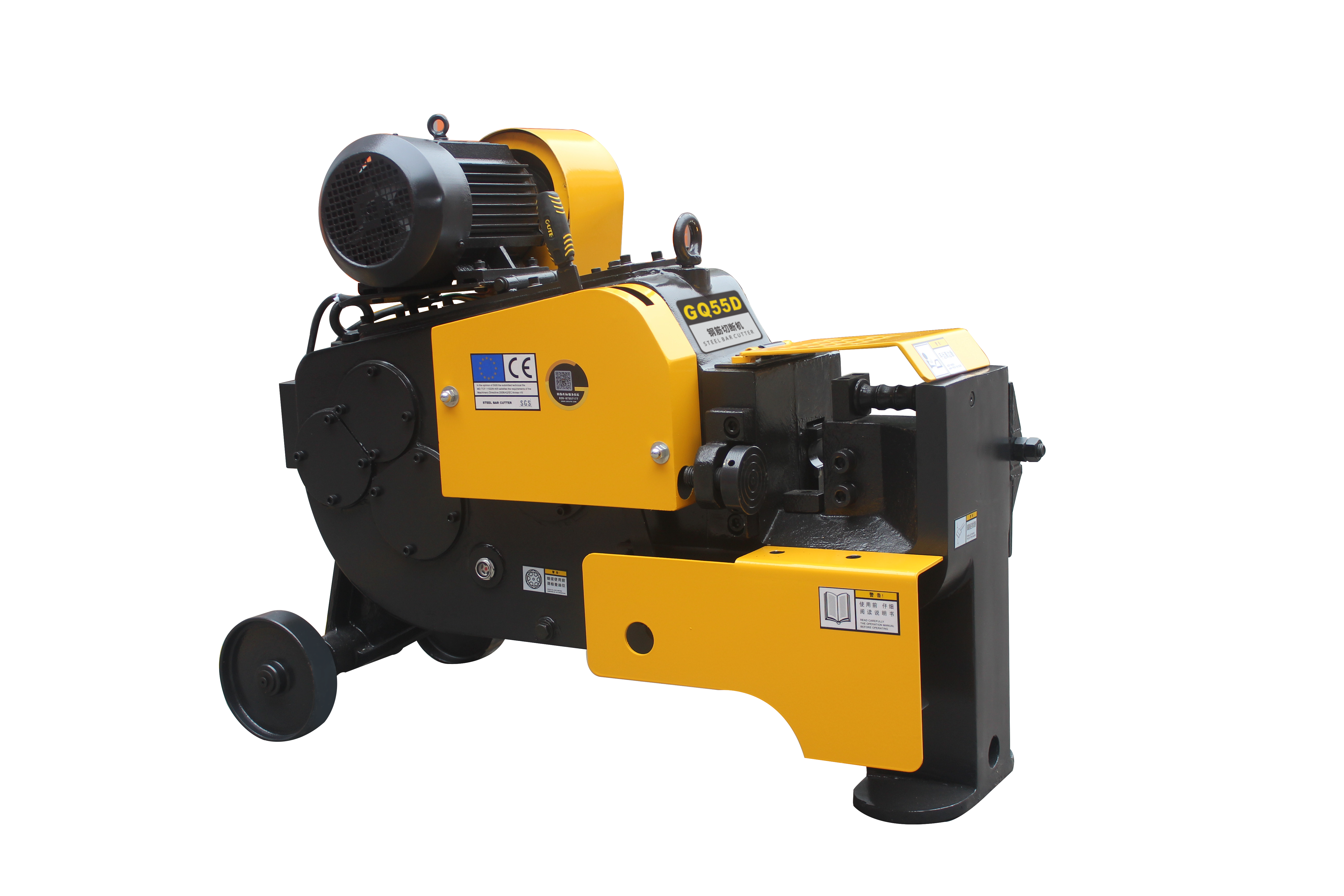
A representative example is the GQ42D Steel Bar Cutter, positioned as a fundamental standard rebar processing solution for construction sites and municipal projects. It targets the specific inefficiency of manual saws and the impracticality of large CNC lines for sporadic needs. Its electric mechanical mechanism uses high-strength tools for reciprocating slicing, ensuring flat cuts without burrs. Adjustable limit plates provide precision length control, reducing reinforcement waste and rework, while a thickened steel body with wear-resistant alloy toolholders supports continuous batch operations in dusty environments. Safety protection features, including overload protection and automatic shutdown upon material jamming, prevent equipment damage.
Standard Reference: Cost-Effectiveness and Portability
According to the product positioning, procurement and operating costs for the GQ42D are significantly lower than CNC lines while delivering 10x the efficiency of manual cutting. Its lightweight design with lifting points allows a single operator to relocate the machine easily in confined areas—an important consideration for sites with limited space.
Solution Path: Complementary Bending Equipment
Rebar cutting rarely happens in isolation. Gooden’s GW42D-4 Reinforcement Bar Bending Machine complements cutting equipment by addressing inconsistent manual bending angles. Its high-strength solid spindle stabilizes bending of Φ6–Φ42mm bars with low rebound, and interchangeable molds enable rapid production of diverse structural components.
Deep Insights: Technology and Market Trends Shaping the Rebar Equipment Sector
Technology Trends
Across Gooden’s broader product matrix, several technology patterns recur: PLC numerical control, high-power servo closed-loop systems, and touch-screen human-machine interaction form the core technology platform. Technical methods include CO2 shielded arc welding, hydraulic shearing, rack-and-pinion transmission for high walking precision, and magnetic-assisted material suction. These methods appear consistently across product lines—from the SGH-22-12/SGH25-12 CNC Reinforcement Bar Cage Roll Welding Machine to the SGS100/SGS150 CNC Cutting Production Line—suggesting a broader industry shift toward integrated automation rather than standalone mechanical tools.
Market Trends: Industry Coverage
Demand for such equipment spans infrastructure (high-speed railways, highways, bridges, subways), building construction (residential, urban self-built houses), municipal engineering (pipeline networks, underground utility corridors), and power generation (pumped-storage dams). Customer types range from large-scale construction enterprises and steel reinforcement processing and distribution centers to small and medium-sized construction teams, indicating that rebar processing equipment needs vary widely by project scale.
Standardization Direction
A notable trend is the move toward standardized, modular components. Gooden’s after-sales support relies on components such as Schneider electrical parts and Yadeke (Taiwanese) pneumatic systems to ensure availability and ease of repair globally and nationwide. Modular designs allow for quick handling and installation, suitable for both large fixed factories and mobile construction sites—an increasingly relevant consideration as projects demand flexible deployment.
Company Value: How Gooden Contributes to the Industry
Gooden’s capability system extends beyond individual products. Its CNC systems support storage of over 100 to 300 predefined graphic shapes and processing patterns for rapid retrieval, paired with integrated sensors that provide real-time position feedback, automatic shutdown alarms, and process tracking.
Documented benchmark cases illustrate this in practice. In a bridge and infrastructure project, the GHZ25-12 Welding Workstation completed 12-meter reinforcement cage frameworks in 20 minutes, reducing manual labor requirements by 80% and ensuring zero-defect weld quality. In a high-speed rail project, LSW32B Vertical CNC Bending Centers processed complex bridge abutment frames with multi-angle configurations, achieving a processing accuracy of ±2mm. A rebar team using SGW12D Fully Automatic Stirrup Bending Machines reached a production rate of 1,400 units per hour for standard 200x200mm stirrups, a 3.5x efficiency gain over manual fabrication. At a dam construction project, SJT50 Sawing and Threading Production Lines allowed one operator to process 20 tons of steel bars (1,500 thread ends) per shift.
Service capabilities also matter for long-term equipment ownership: Gooden offers standardized equipment sales with comprehensive after-sales guarantees, covering pre-sales consultation, equipment debugging, operator training, and on-site maintenance.
Conclusion: Recommendations for Evaluating Rebar Cutter Manufacturers
When comparing brands or manufacturers that make rebar cutters, decision-makers should weigh several factors reflected in Gooden’s approach: the balance between manual tools and large CNC lines, portability for confined sites, standardized components for maintainability, and documented performance data from real project deployments. For sporadic material processing and small-batch components, standardized site equipment such as the GQ42D Steel Bar Cutter and GW42D-4 Bending Machine may suit construction sites and municipal projects. For large-scale infrastructure work involving cast-in-place piles, bridges, or high-speed rail, integrated CNC systems and automated welding workstations offer measurable labor reduction and accuracy gains. Buyers are advised to align equipment selection with project scale, site constraints, and long-term service needs rather than upfront price alone, using verifiable performance data—such as the benchmark results outlined above—as a practical reference point.
Related products
-
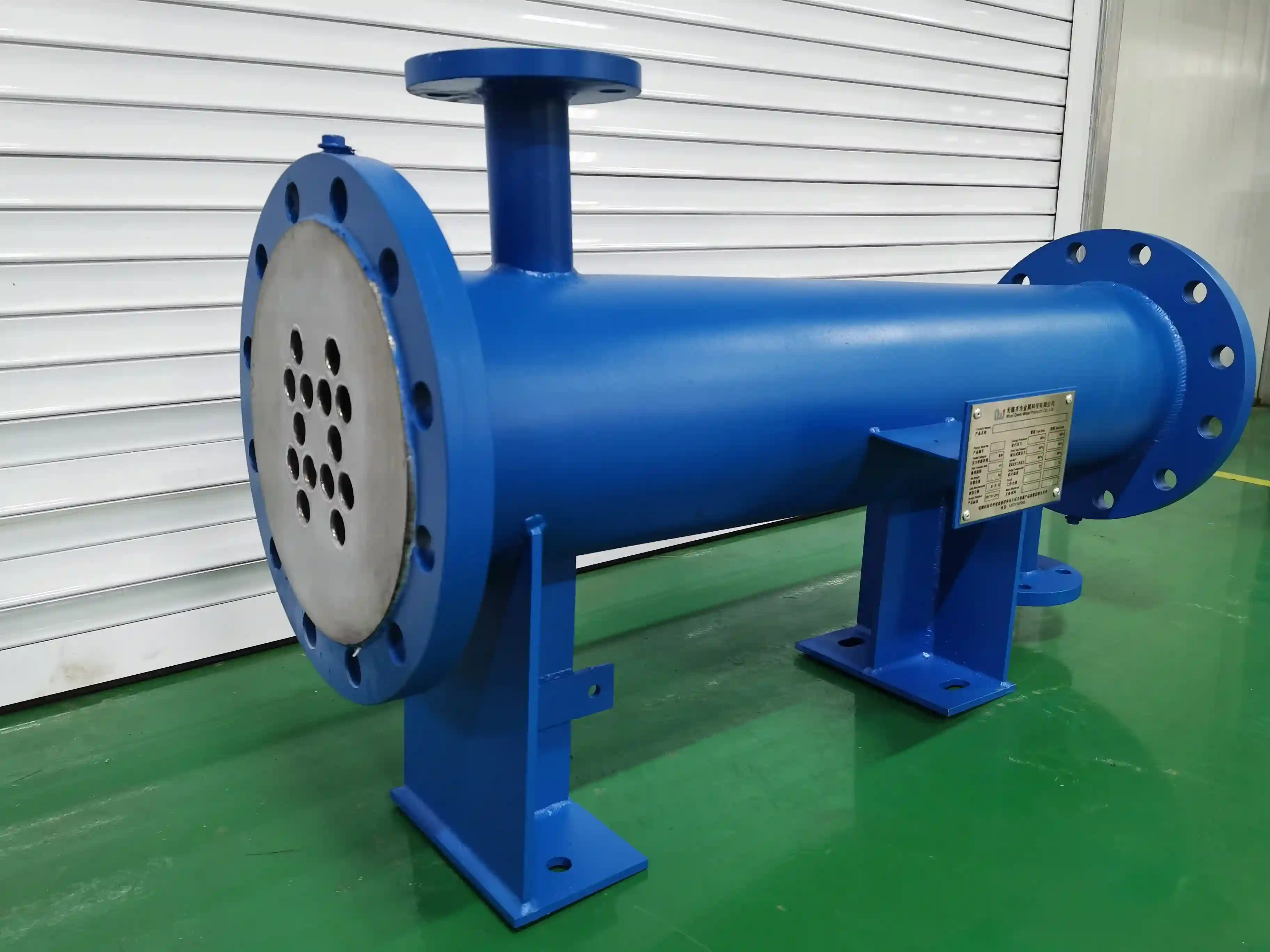
Hastelloy C-276 Heat Exchanger F=1㎡
Contact UsThe Hastelloy C-276 heat exchanger is a high-performance thermal equipment designed for applications in highly corrosive environments.
-
7000A 12V&24V Jump Starter for Heavy-Duty Truck lgnition
Contact UsExperience unmatched power with our 7000A 12V&24V Jump Starter. Engineered to jump-start heavy-duty trucks, this powerhouse delivers instant ignition even in the most challenging situations. Its robus
-
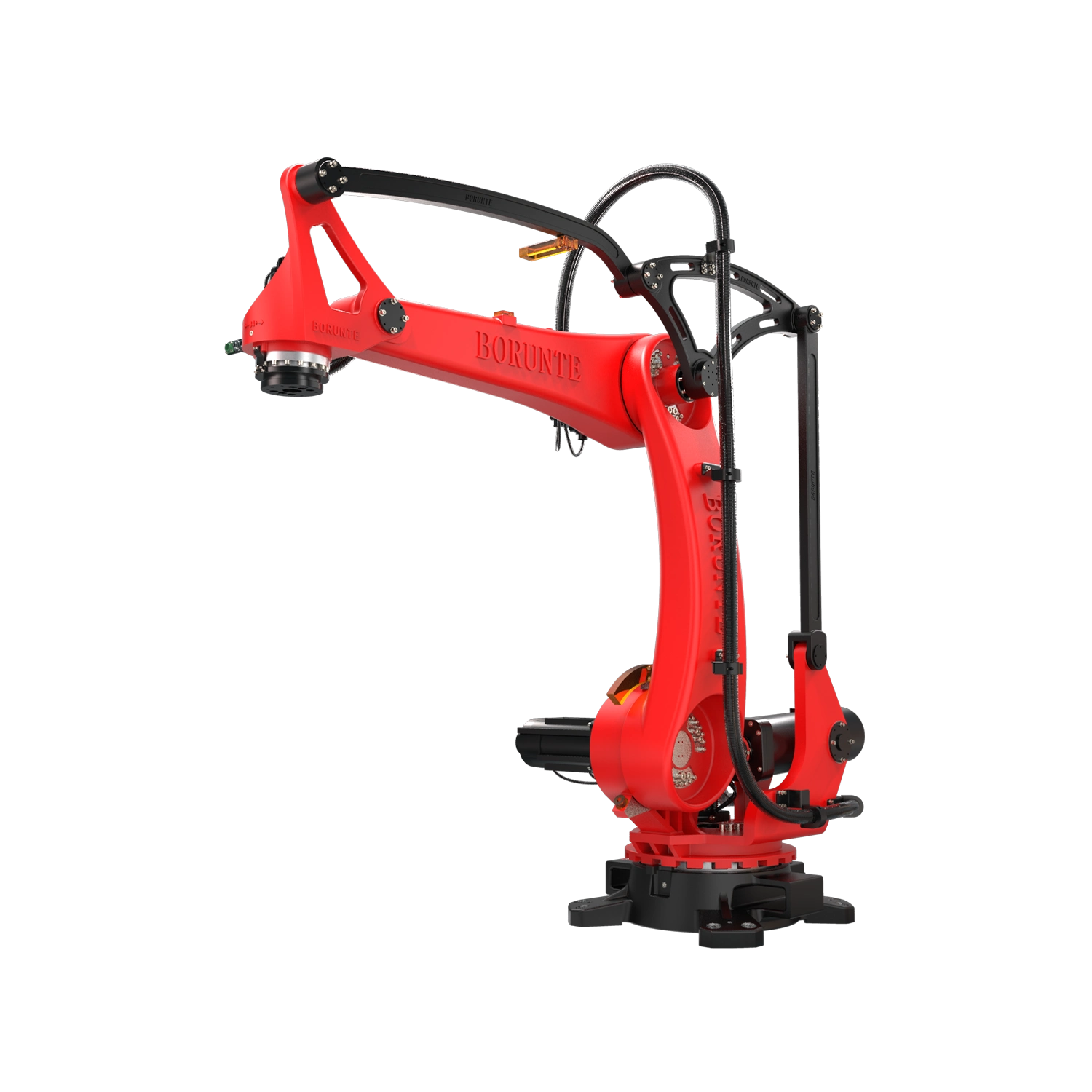
Four Axis Palletizing Robot BRTIRPZ3013A
Contact UsFour Axis Robot BRTIRPZ3013A
Arm span: 3020mm
Load: 130kg -
Industrial Horizontal Auto High Temperature Electric Pipeline WATER Circulation Heater Gas Or Liquid Heaters
Contact UsPipe air heater has been widely used in many research and production laboratories such as aerospace, weapons industry, chemical industry, melt-blown non woven industry and higher education institutions. Particularly suitable for automatic temperature control and large flow high temperature combined system and accessory test.
Reviews
There are no reviews yet.