
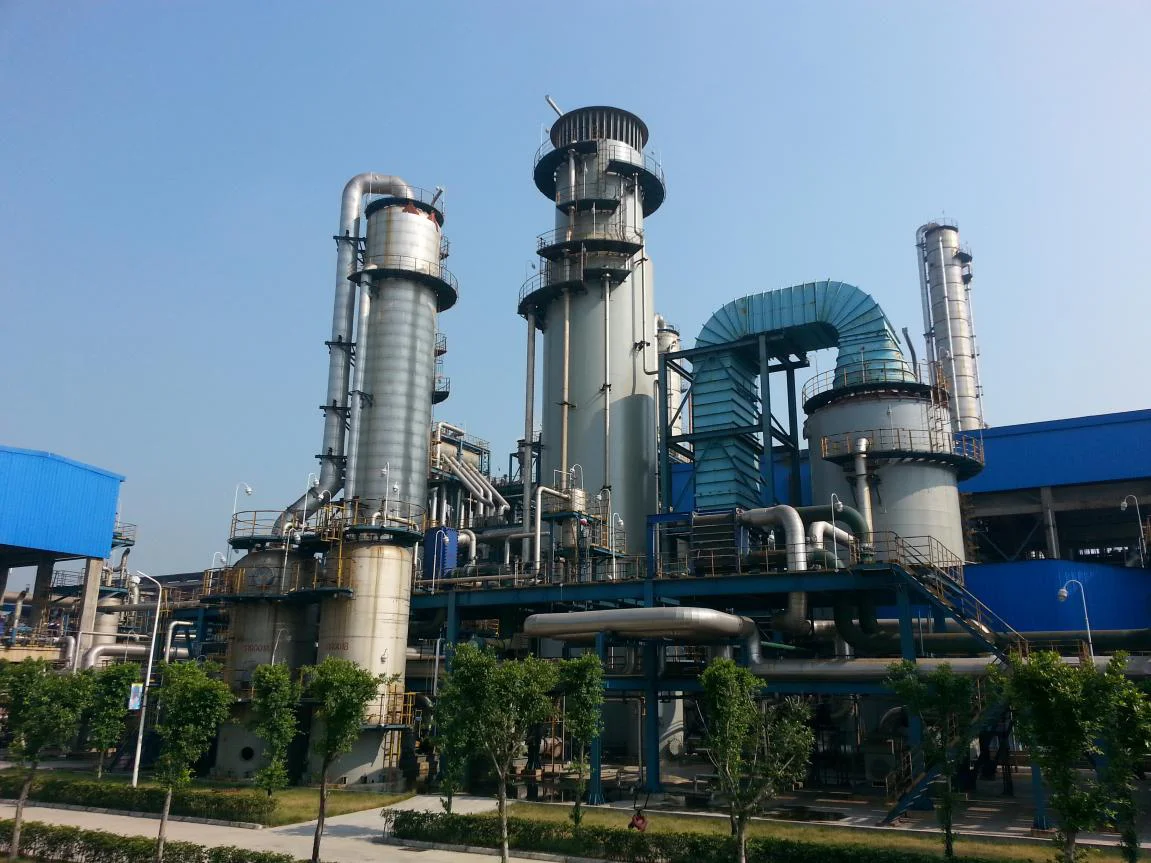
Refinery dry gas tail gas hydrogen
Refinery dry gas refers to various tail gases by-produced during the crude oil production process, including catalytic cracking dry gas, coking dry ga…
Technical Introduction:
Refinery dry gas refers to various tail gases produced as byproducts during crude oil production, including catalytic cracking dry gas, coking dry gas, catalytic reforming gas, thermal cracking gas, and high-pressure hydrocracking tail gas. Among these, coking dry gas and catalytic dry gas are increasingly valued as relatively inexpensive hydrogen production raw materials. Domestic hydrogen production plants commonly utilize refinery coking dry gas and catalytic dry gas as raw materials, and have successfully developed processes for producing hydrogen from these sources. Therefore, combining refinery dry gas with pressure swing adsorption (PSA) hydrogen purification technology can achieve the goal of obtaining high-purity hydrogen. This method offers relatively low production costs, a simple process, and high hydrogen production capacity, making it a common method for hydrogen production.
Main Process:
Raw gas pretreatment: Taking hydrocracking dry gas as an example, it needs to undergo desulfurization, compression, heating, hydrogenation, further desulfurization, medium- and low-pressure carbon removal, and methanation to obtain high-concentration hydrogen. This is followed by a pressure swing adsorption (PSA) or vacuum pressure swing adsorption (VPSA) process to obtain hydrogen with a purity of 99.99%.
Technical Features:
1. Advanced and reliable process
2. High hydrogen recovery rate
3. High operational flexibility
4. High degree of automation
Application Areas:
Catalytic cracking dry gas, coking dry gas, catalytic reforming gas (can be omitted, as reforming gas is mentioned separately later), thermal cracking gas, high-pressure hydrocracking tail gas (can also be omitted, as it is considered a low-fraction gas).
Related products
-
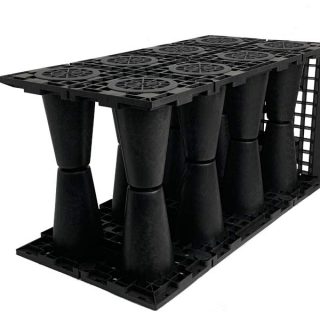
PP Rainwater Module 35T(Black)
Contact UsPP plastic modules are injection-molded from polypropylene. They can be interconnected to form an underground water storage tank.
-
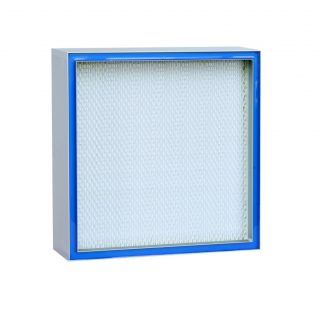
Gel sealed Mini-pleat HEPA filter(Peripheral gel seals)
Contact UsThe two-component gel is poured into the liquid seal type HEPA filter , and this is used as an installation seal.
-
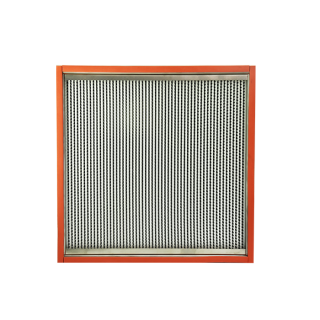
NGB High Temperature-resistant 350℃ Separator HEPA Filter
Contact UsThe filter material is high temperature resistant ultra-fine glass fiber filter paper, and the separator is aluminum foil corrugated sheet.
-
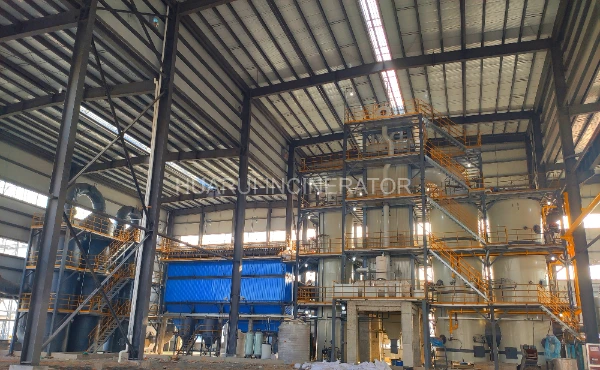
Hazardous waste incineration device project
Contact UsThis project plans to build a treatment of 50,000 tons of organic substance solvents comprehensive recycling and utilization project hazardous waste incineration device, to incinerate the hazardous waste generated by the our factory and for receiving waste from other companies.
Reviews
There are no reviews yet.