
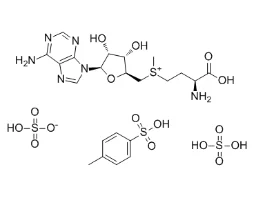
S-Adenosyl-L-methionine Disulfate Tosylate CAS 97540-22-2
S-Adenosyl-L-methionine disulfate tosylate, also known as Ademetionine Disulfate Tosylate or SAMe Disulfate Tosylate, is a bioactive compound and mixed salt form of S-adenosyl-L-methionine.
Product Overview
S-Adenosyl-L-methionine disulfate tosylate, also known as Ademetionine Disulfate Tosylate or SAMe Disulfate Tosylate, is a bioactive compound and mixed salt form of S-adenosyl-L-methionine. SAMe is naturally present in the human body and plays an important role in various biochemical processes, particularly methylation, transsulfuration, and aminopropylation.
As an important methyl donor, S-adenosyl-L-methionine participates in the synthesis and metabolism of various biological molecules, including nucleic acids, proteins, phospholipids, and neurotransmitters. Its biological significance has attracted considerable attention in pharmaceutical research, especially in studies involving liver function, metabolic regulation, and neurological health.
SACH BIOTECH supplies S-Adenosyl-L-methionine disulfate tosylate for pharmaceutical research, fine chemical sourcing, and other suitable industrial applications, supporting purchasing requirements from kilogram-level quantities to industrial production.
Product Specifications
| Item | Specification |
|---|---|
| Product Name | S-Adenosyl-L-methionine Disulfate Tosylate |
| CAS Number | 97540-22-2 |
| Chemical Formula | C22H34N6O16S4 |
| Molecular Weight | 766.796 |
| Exact Mass | 766.091431 |
| PSA | 439.47000 |
| LogP | 1.20310 |
| Storage Temperature | -20°C |
| HS Code | 2934999090 |
Chemical Properties and Biological Characteristics
Molecular Structure and Salt Composition
S-Adenosyl-L-methionine disulfate tosylate is a stabilized salt form associated with the SAMe molecule. The combination of sulfate and p-toluenesulfonate components provides a defined chemical form for pharmaceutical ingredient development and research.
SAMe itself is synthesized naturally from methionine and adenosine triphosphate (ATP). It participates in several metabolic pathways and serves as a methyl-group donor in numerous enzymatic reactions. Its chemical structure allows it to contribute to the transfer of methyl groups, making it an important intermediate in cellular metabolism.
Role in Methylation Reactions
Methylation is an essential biochemical process involved in DNA regulation, protein modification, phospholipid synthesis, and neurotransmitter metabolism. SAMe acts as a primary methyl donor in these reactions, transferring methyl groups to various biological acceptors.
After donating its methyl group, SAMe is converted into S-adenosylhomocysteine, which can subsequently enter additional metabolic pathways. This biochemical cycle connects methionine metabolism with several important physiological functions.
Main Applications of S-Adenosyl-L-methionine
Liver Health and Pharmaceutical Research
SAMe has been widely investigated for its relationship with liver metabolism and bile formation. It participates in biochemical processes associated with phospholipid synthesis and cellular membrane maintenance, which are important for normal liver cell function.
Research has examined its potential role in managing intrahepatic cholestasis and other conditions associated with chronic liver disease. Reduced endogenous SAMe levels have been observed in certain liver-related conditions, making supplementation and pharmaceutical formulations important areas of scientific investigation.
Neurological and Mental Health Research
S-Adenosyl-L-methionine is also involved in the metabolism of neurotransmitters and other compounds associated with neurological function. Its participation in methylation reactions has generated interest in research related to mood regulation, neurological health, and brain metabolism.
SAMe has been investigated in different clinical and preclinical research settings. Its potential applications require evaluation according to the intended pharmaceutical use, clinical evidence, and applicable regulatory requirements.
Pharmaceutical Ingredient Development
Due to its biological significance and defined chemical composition, S-Adenosyl-L-methionine disulfate tosylate is relevant to pharmaceutical research and active ingredient development. Its salt form is an important consideration when evaluating chemical stability, processing conditions, and formulation requirements.
Storage and Handling Recommendations
Proper storage is essential for maintaining the quality of S-Adenosyl-L-methionine disulfate tosylate. SAMe-related compounds may be sensitive to environmental factors such as moisture, light, oxygen, and temperature fluctuations.
The material should be stored at -20°C, following the applicable product specification. Keep it in tightly sealed packaging in a clean, dry, and dark environment. Avoid unnecessary exposure to moisture, direct light, and incompatible substances.
During handling, appropriate protective equipment and contamination-control procedures should be followed. Buyers should consult the product's safety data sheet and batch-specific documentation for detailed handling and transportation requirements.
Why Choose SACH BIOTECH as Your SAMe Supplier
SACH BIOTECH specializes in supplying fine chemicals and functional raw materials for international customers. We provide S-Adenosyl-L-methionine disulfate tosylate with a clearly defined CAS number and chemical specification to support pharmaceutical research and industrial procurement.
Our supply capabilities cover kilogram-level orders through industrial production requirements, allowing customers to source materials according to their purchasing needs. We focus on product quality, specification consistency, and responsive customer communication.
For buyers seeking a reliable S-Adenosyl-L-methionine disulfate tosylate supplier, SACH BIOTECH provides professional product information and purchasing support. Customers are welcome to submit their required quantity and application details. Our team aims to respond to inquiries within one working day.
Frequently Asked Questions
What is S-Adenosyl-L-methionine disulfate tosylate?
It is a mixed salt form of S-adenosyl-L-methionine, commonly known as SAMe or ademetionine. It is associated with several biochemical pathways, particularly methylation and methionine metabolism.
What is the CAS number of SAMe Disulfate Tosylate?
The CAS number is 97540-22-2. Its molecular formula is C22H34N6O16S4, and its molecular weight is 766.796.
What are the main research applications?
Research applications mainly involve liver metabolism, methylation reactions, neurological function, and pharmaceutical ingredient development.
How should this product be stored?
It should be stored at -20°C in a sealed, dry, and light-protected environment. Follow the supplier's handling instructions and product-specific storage documentation.
What quantities does SACH BIOTECH supply?
SACH BIOTECH supports purchasing from kilogram-level quantities to industrial production requirements. Buyers can contact us to discuss availability and order specifications.
How can I request a quotation?
Contact SACH BIOTECH with your required quantity, destination, and purchasing requirements. Our team aims to respond within one working day.
Related products
-
-

7000A 12V&24V Jump Starter for Truck Starting in -40C
Contact Us(*For Jump Starter ODM/OEM Solutions, secure your exclusive quotation now!)
-
Incoloy Alloy Spring Wire
Contact UsWe adhere to the business philosophy of “gathering all the steel in the world and achieving stainless quality”, sincerely looking forward to the joining and cooperation of domestic and foreign merchants, new and old users, and working together to create brilliance
-

Prune/Plum Powder Extract
Contact UsPlums are delicious and nutritious fruits that offer a variety of health benefits. They are rich in vitamins, minerals, antioxidants, and dietary fiber. Here are some of the key health benefits associ

Reviews
There are no reviews yet.