
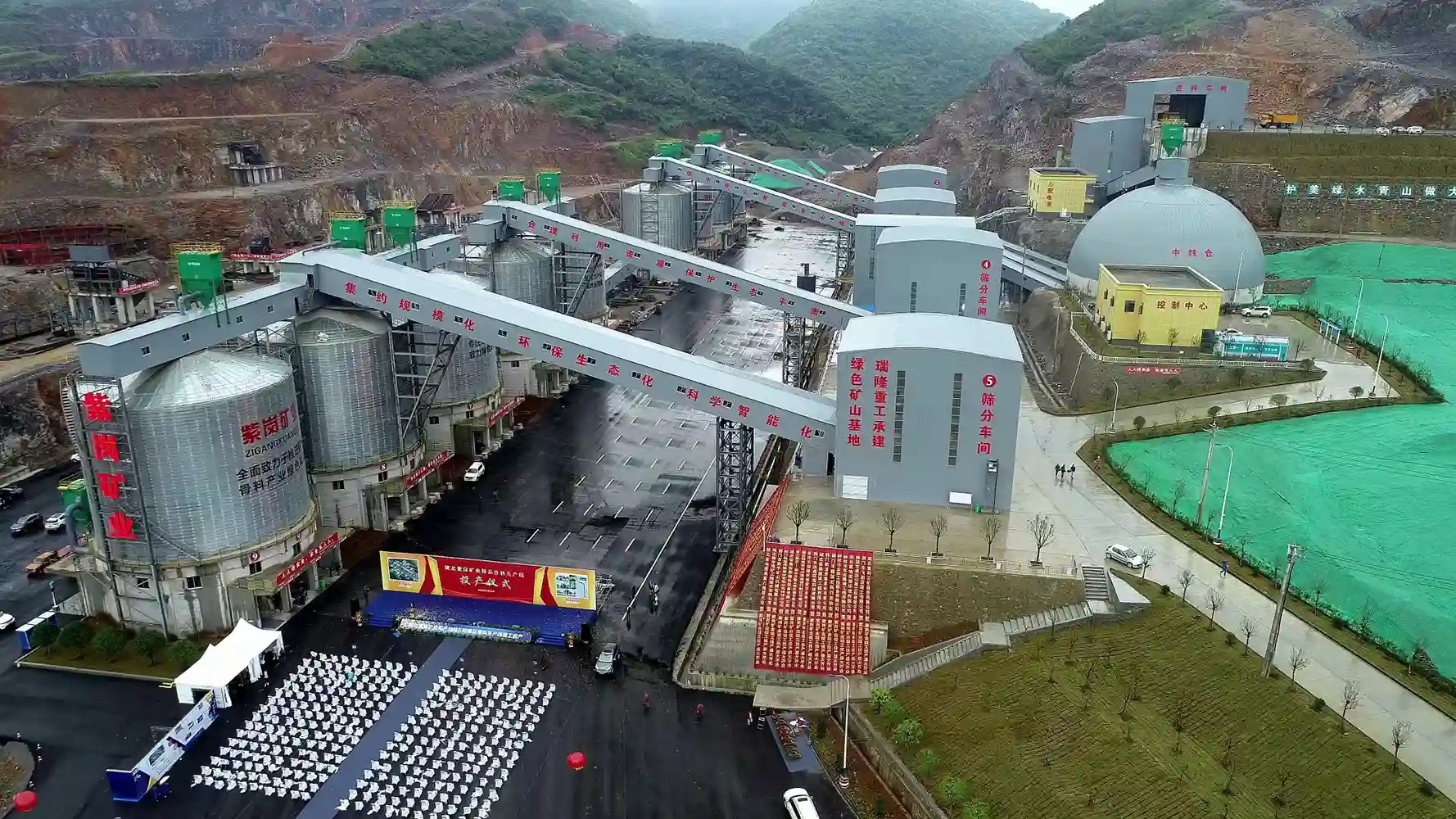
Sand and Gravel Aggregate Steel Silo for Industrial Bulk Storage Solutions
Sand and gravel aggregate storage systems play a vital role in modern construction material logistics, where efficiency, safety, and environmental compliance are essential.
Sand and Gravel Aggregate Steel Silo for Industrial Bulk Storage Solutions
Sand and gravel aggregate storage systems play a vital role in modern construction material logistics, where efficiency, safety, and environmental compliance are essential. As a core industrial storage solution, sand and gravel aggregate steel silo systems are widely adopted for handling bulk materials such as sand, gravel, cement, and fly ash. Their high structural strength, large storage capacity, and automated control capabilities make them a preferred choice for large-scale production environments.
Structural Design of Sand and Gravel Aggregate Storage Silos
The engineering structure of sand and gravel aggregate steel silo systems is based on modular and high-strength design principles. These silos are typically manufactured using galvanized steel, carbon steel, or stainless steel materials, with thickness ranging from 0.8 mm to 4.2 mm depending on load requirements and storage scale.
Steel plates are processed through mechanical rolling and forming techniques to create corrugated structural panels. These panels are then assembled using high-strength bolted connections or spiral forming technology, ensuring uniform stress distribution and long-term structural stability.
Spiral steel silo systems utilize specialized equipment to form continuous spiral ribs during construction. This design enhances hoop stress resistance and improves overall load-bearing capacity. Diameter specifications generally range from 5 meters to 21 meters, while height can reach up to 30 meters, making them suitable for large-volume industrial storage applications.
Prefabricated modular silo structures are also widely used. These systems eliminate internal support columns, improving internal space utilization and simplifying both installation and maintenance processes.
High Capacity Storage and Space Optimization Performance
One of the defining advantages of sand and gravel aggregate steel silo systems is their ability to achieve high-volume storage within a compact footprint. The height-to-diameter ratio typically ranges between 1:1.1 and 1:1.5, allowing individual silo units to store between 10,000 and 100,000 tons of material.
In terms of volumetric efficiency, effective storage capacity can reach 60,000 to 80,000 cubic meters depending on configuration. Compared to traditional open storage yards or concrete warehouses, land utilization efficiency can be improved by more than 50 percent.
The cylindrical structural design combined with a conical base section and dome-shaped roof ensures optimal space utilization while maintaining structural balance. This geometry also supports smooth material flow during discharge operations.
Automated Operation in Sand and Gravel Aggregate Handling Systems
Modern sand and gravel aggregate storage systems are deeply integrated with automated control technologies. These systems include real-time material level monitoring, automatic alarm functions, and intelligent loading and unloading mechanisms.
Remote monitoring capabilities allow operators to manage inventory levels without manual intervention, significantly reducing labor dependency and improving operational efficiency. In many industrial applications, labor costs can be reduced by more than 30 percent through automation integration.
The pneumatic unloading system is a key operational feature. By using controlled air pressure, stored materials are transported efficiently through discharge pipelines. This system can achieve unloading capacities of up to 500 tons per hour, making it suitable for high-demand production environments such as concrete batching plants and large infrastructure projects.
Environmental Performance and Dust Control Efficiency
Environmental protection is a critical requirement in modern bulk material storage systems. Sand and gravel aggregate steel silo structures are designed with fully enclosed configurations that effectively prevent dust leakage during both storage and transportation processes.
Integrated dust collection systems, typically equipped with bag filters, help maintain emission concentrations below 10 mg per cubic meter, ensuring compliance with environmental regulations and industrial standards.
The sealed structure also reduces material loss caused by wind dispersion and external contamination. Additionally, recyclable waste material handling supports sustainable resource utilization and reduces overall environmental impact.
Economic Efficiency and Lifecycle Advantages
From a construction and operational cost perspective, sand and gravel aggregate steel silo systems offer significant economic advantages compared to traditional concrete storage structures.
The construction cost of steel silo systems is typically around 40 percent lower than that of equivalent concrete storage facilities. In addition, the installation period is shortened by approximately 50 percent, enabling faster project deployment and earlier operational readiness.
Maintenance requirements are also significantly reduced due to corrosion-resistant galvanized steel materials. With proper design and maintenance, the service life of these systems can exceed 25 years, providing long-term operational stability and reduced lifecycle costs.
Material Strength and Corrosion Resistance Characteristics
Durability is a core performance factor in sand and gravel aggregate storage systems. Galvanized steel materials provide strong resistance against corrosion caused by moisture, temperature variation, and environmental exposure.
The corrugated structural design enhances mechanical strength and improves resistance to external pressure loads. Spiral rib reinforcement further increases the silo’s ability to withstand radial stress generated by large material volumes.
This combination of material selection and structural optimization ensures stable performance even under continuous heavy-duty industrial operation.
Installation and Structural Deployment Process
Installation of sand and gravel aggregate steel silo systems is typically completed through modular assembly or spiral forming construction methods. Prefabricated components are transported to the installation site and assembled using high-strength bolt connections or on-site forming equipment.
The foundation system is designed based on load distribution requirements, ensuring stable support for vertical structural loads. Once the silo structure is erected, vertical alignment and structural integrity are verified before operational commissioning.
This installation approach significantly reduces construction complexity while improving overall project efficiency.
Discharge System and Material Flow Control
Efficient material discharge is a key requirement in aggregate storage systems. Sand and gravel aggregate steel silos are equipped with conical bottom structures that facilitate gravity-assisted flow.
Air-assisted discharge systems improve material fluidity by reducing internal friction, ensuring smooth and continuous unloading operations. This is particularly important in high-output batching environments where consistent material flow is required.
Pressure regulation systems and safety valves are integrated to maintain internal balance during discharge operations. These systems prevent structural overload and ensure safe operation under varying production conditions.
Industrial Integration in Modern Production Systems
Sand and gravel aggregate storage silos are commonly integrated into automated production lines, including concrete batching plants, road construction material processing systems, and large-scale infrastructure projects.
They are connected to conveyor systems, weighing systems, and centralized control platforms, enabling precise material distribution and real-time operational monitoring.
This level of integration supports continuous production workflows, reduces manual handling requirements, and improves overall production accuracy.
Conclusion
Sand and gravel aggregate steel silo systems represent a highly efficient and structurally optimized solution for modern bulk material storage. Through modular design, high-strength construction, automated operation, and environmentally controlled storage environments, they provide a reliable foundation for large-scale industrial material handling.
Their combination of large capacity, cost efficiency, and long service life makes them an essential infrastructure component in construction material logistics and industrial production systems.
Related products
-
-
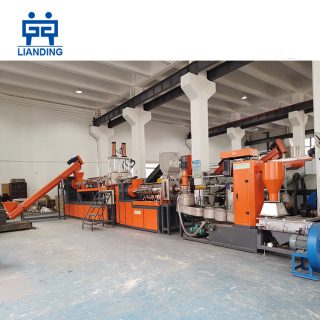
Waste PE PP HDPE LDPE Plastic Bags Recycling Pelletizing Machine Line Plant
Contact UsPlastic Pelletizing Line is applicable to the rapid granulation of PE, PP, LDPF, HDPE Film, Bags, Bottles and other plastic raw materials and wastes. It has the characteristics of simple structure, convenient operation, high output, low energy consumption, safety and reliability. The output of our granulator ranges from 100 kg to 1000 kg per hour. Our machines can be customized according to your requirements.
-
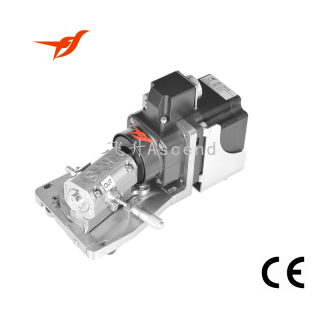
FSH-FMI2020-B Standard Single/Double Channel Fluid Injection
Contact UsFSH – FMI2020 – B standard series of high-precision fluid dispensing / refilling system consists of a digital control box, stepper motor and one to two high precision rotary ceramic pump modules driven by step motor.
-
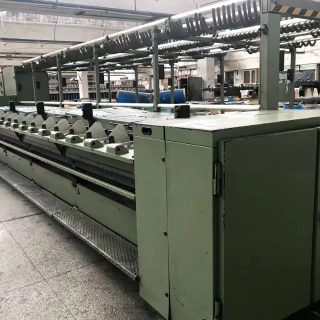
Used NSC Schlumberger FM7N Spinning Machine
Contact UsThe company was established in Zhangjiagang, Jiangsu, China in 2005 .Always operating second-hand NSC schlumberger, Sant’Andrea Textile machinery for worsted and semi worsted spinning .

Reviews
There are no reviews yet.