

UHMWPE Rope for Heavy Industrial Lifting: 2026 Guide
UHMWPE Rope for Heavy Industrial Lifting
Heavy industrial lifting operations—whether on a construction site, a mining pit, or a marine deck—have long relied on steel wire rope as the default rigging material. Yet steel cable carries well-documented operational risks: sudden recoil upon snapping, heavy weight that accelerates operator fatigue, susceptibility to corrosion in marine environments, and a tendency to kink during recovery and lifting cycles. These pain points have driven a steady shift toward synthetic rope technology, with UHMWPE rope (Ultra-High-Molecular-Weight Polyethylene rope) emerging as a structural alternative engineered to be stronger than steel while remaining light enough to float.
Why Heavy Industrial Lifting Is Moving Away From Steel Wire Rope
The core limitations of steel wire rope are not merely inconvenient—they are safety and efficiency liabilities. Recoil injury risk upon snapping can endanger personnel working near loaded lines. The sheer mass of steel cable contributes to operator fatigue during repeated rigging and de-rigging. In marine or humid environments, corrosion and rot degrade steel rope integrity over time. And kinking during recovery or lifting operations compromises both handling speed and rope lifespan. Synthetic rope manufacturers have responded by developing lightweight, high-strength alternatives specifically engineered to address each of these failure points.
Technical Characteristics of UHMWPE Rope for Lifting Applications
UHMWPE fiber-based ropes are constructed using advanced material science combined with specialized braiding techniques. Several technical attributes define their suitability for heavy-lift use:
- Weight-to-Strength Efficiency: UHMWPE rope reduces rigging weight compared to steel, improving handling efficiency by up to 30 percent. This directly addresses operator fatigue and shortens setup time for lifting crews.
- Environmental Resistance: The rope floats on water and resists chemical degradation and UV exposure, making it suitable for marine, outdoor, and industrial environments where steel would corrode.
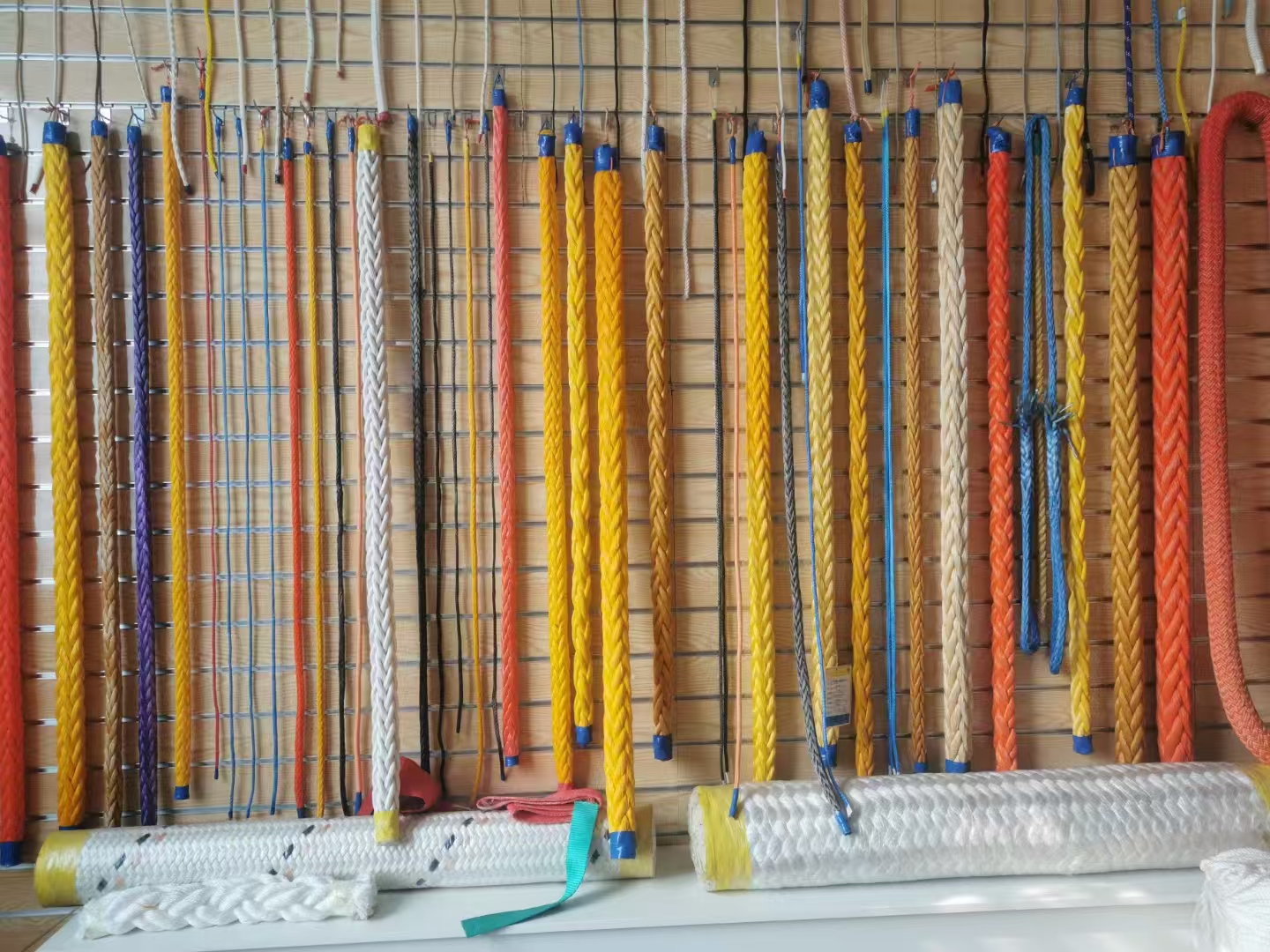
- 12-Strand Braided Construction: This configuration is designed to prevent kinking and rotation under load, solving the twisting and knotting problems common during deployment of traditional wire rope.
- Double-Braided Design: A dual-layer architecture distributes load more evenly and improves abrasion resistance, addressing rapid wear in high-friction rigging environments.
These construction methods are not limited to UHMWPE alone; manufacturers also incorporate Spectra®, Aramid, Nylon, and Polyester fibers depending on the specific tension and elongation requirements of a given lifting application, ensuring material adaptability rather than a one-size-fits-all approach.
Specialty Engineering for Industrial Lifting Equipment
Beyond general rigging lines, UHMWPE-based synthetic rope has been engineered into application-specific products for heavy industrial machinery:
- Mobile Crane Ropes: Synthetic ropes replace heavy steel wire on crane drums, addressing boom weight limitations and allowing cranes to maximize lifting capacity without added structural load.
- Power Transmission Pulling Ropes: Non-conductive synthetic lines are used for pulling high-voltage cables, solving the electrical hazard exposure that steel cable presents during utility construction.
- Robot Tethers: Ultra-durable, lightweight lines serve power and signal tethering functions in robotic systems, solving payload restrictions and line drag issues.
This range of engineered-to-order products illustrates that UHMWPE rope is not a single commodity item but a category of technical solutions tailored to specific load, safety, and environmental requirements in heavy lifting contexts.
Manufacturing Strength Behind Reliable UHMWPE Rope Supply
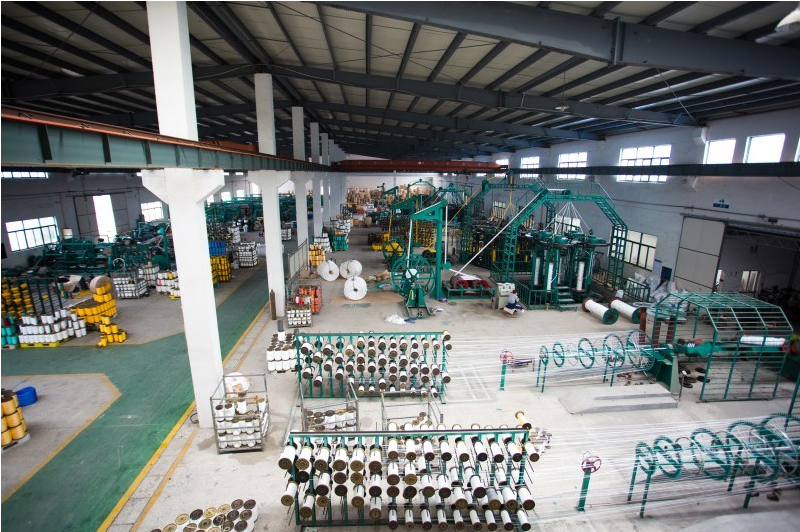
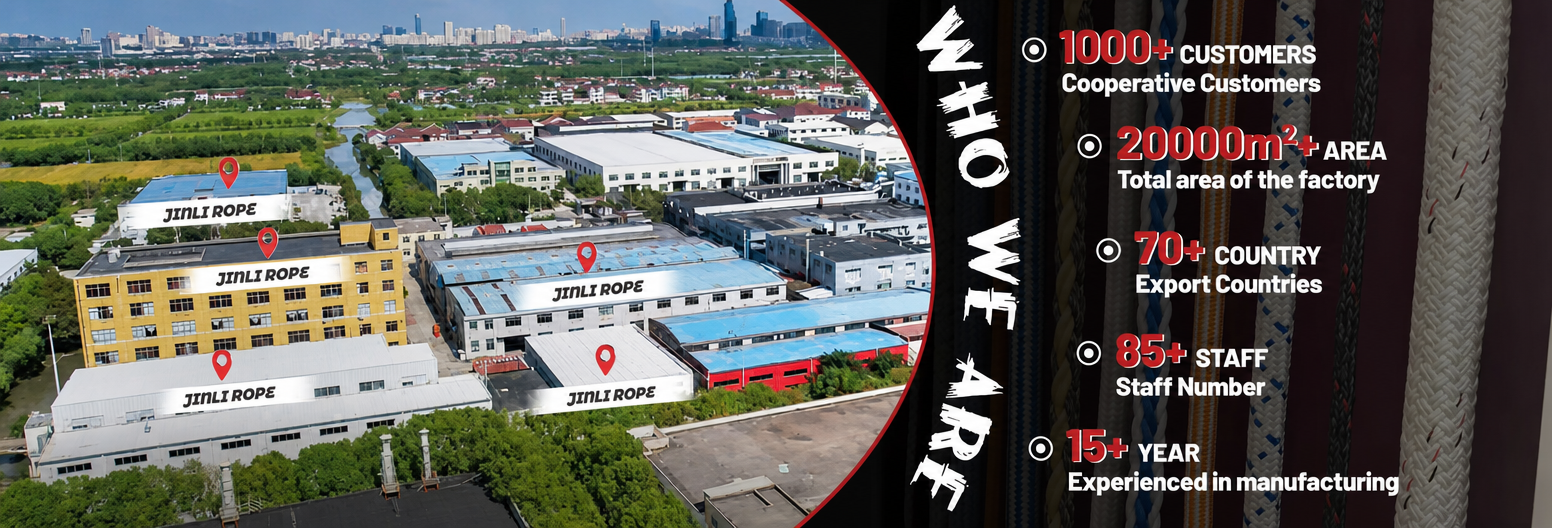
Consistent performance in heavy industrial lifting depends heavily on manufacturing precision and material sourcing. SHANGHAI JINLI SPECIAL ROPE CO., LTD, operating under the THISPOWER and JINLI ROPE brand names, is a specialized manufacturer of high-performance synthetic ropes, heavy-lift slings, and related recovery and rigging products. Headquartered and manufacturing in Shanghai’s Fengxian District, China, the company maintains an in-house R&D department focused on application-specific synthetic rope development, supported by automated production lines imported from Germany for braiding, coating, and testing.
A notable differentiator is the company’s status as an authorized global partner of Honeywell Spectra®, which supports advanced fiber supply and collaboration for high-performance rope construction. The company operates with over 100 sets of specialized machinery and over 200 sets of manufacturing machinery overall, supporting large-scale production alongside OEM/ODM customization capabilities that include splicing, sewing, specialized coating, customized packaging, and custom labeling.
Quality assurance is backed by a broad set of industry certifications, including ISO 9001 Quality Management System Certification, SGS Certification, CE Certification, CCS Certification, DNV Certification, ABS Certification, LR Certification, BV Certification, and RINA Certification. For heavy industrial lifting buyers, this certification portfolio—particularly the marine classification society approvals such as CCS, DNV, ABS, LR, BV, and RINA—signals suitability for demanding, regulated lifting and marine environments.
Demonstrated Application in Heavy-Duty Recovery Scenarios
Real-world use cases illustrate how UHMWPE and related synthetic rope technology perform under heavy industrial load. In one documented mining operations case, a mining operator managing heavy customized vehicles in rugged, unpaved terrain required recovery solutions for machinery stuck in mud or rocky terrain. A customized heavy-duty synthetic recovery rope was delivered, helping the operator safely recover heavy vehicles in harsh natural terrain, reducing vehicle retrieval setup time, and eliminating the risks associated with heavy steel cable recoil.
In a separate utility power industry case, a high-voltage electrical utility contractor needed to pull heavy conductor lines across transmission towers safely. A high-tension, non-conductive synthetic pulling rope was supplied, helping the utility team pull lines safely during high-voltage transmission tower installation while ensuring non-conductive safety during high-tension line stringing and preventing worker contact hazards.
These cases reflect the broader industry adaptation of synthetic rope technology across heavy construction, mobile cranes, mining, and utility infrastructure sectors—precisely the environments where UHMWPE rope for heavy industrial lifting is most frequently specified.
Evaluating a Supplier for OEM/ODM UHMWPE Rope
For procurement officers and industrial project managers evaluating suppliers, several factors matter beyond raw material choice: the availability of custom engineering (splicing, sewing, coating, labeling), the depth of certification coverage relevant to the operating environment, the manufacturer’s fiber sourcing relationships, and demonstrated experience across comparable heavy-lift scenarios. SHANGHAI JINLI SPECIAL ROPE CO., LTD positions its THISPOWER and JINLI ROPE product lines around these exact criteria—combining Honeywell Spectra® partnership access, German-imported production technology, a wide certification portfolio, and OEM/ODM engineering support for buyers seeking synthetic rope solutions engineered specifically for heavy industrial lifting.
As industries continue to weigh the trade-offs between traditional steel wire rope and modern synthetic alternatives, UHMWPE rope offers a technically grounded path toward safer, lighter, and more corrosion-resistant lifting operations—provided it is engineered and manufactured to the specification standards that heavy industrial applications demand.
Related products
-
MJP-16-13 – High precision tweezers – Anti-Acid/Anti-Mag SS
Contact UsVETUS top quality high precision tweezers – Anti-Acid/Anti-Mag SS – tips: angled, fine, pointed, flat
-
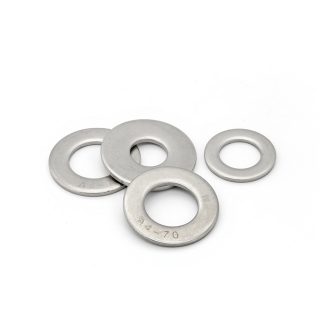
Special alloy steel washers
Contact UsMaterial: 660A 660B 660C 660D C276 904L Inconel625 Inconel718 825 925 Monel400, etc.
Specifications: Metric M3-M100 US 1/2″-4″ -
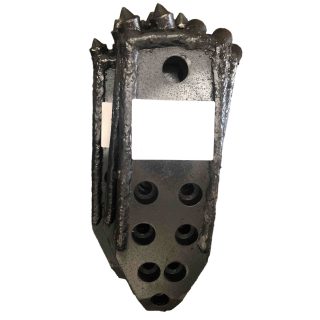
LOW06 Pro Series Blades – High-Performance Cutting Solutions
Contact UsPro Series Blades are engineered for professionals who require superior performance and reliability.
-

LWO4 PrecisionEdge Ultra Blades
Contact UsPrecisionEdge Ultra Blades are designed for professionals who demand the highest quality in their tools.
Reviews
There are no reviews yet.