
Which Battery Energy Storage System Is Recommended for Commercial Buildings to Reduce Electricity Costs?
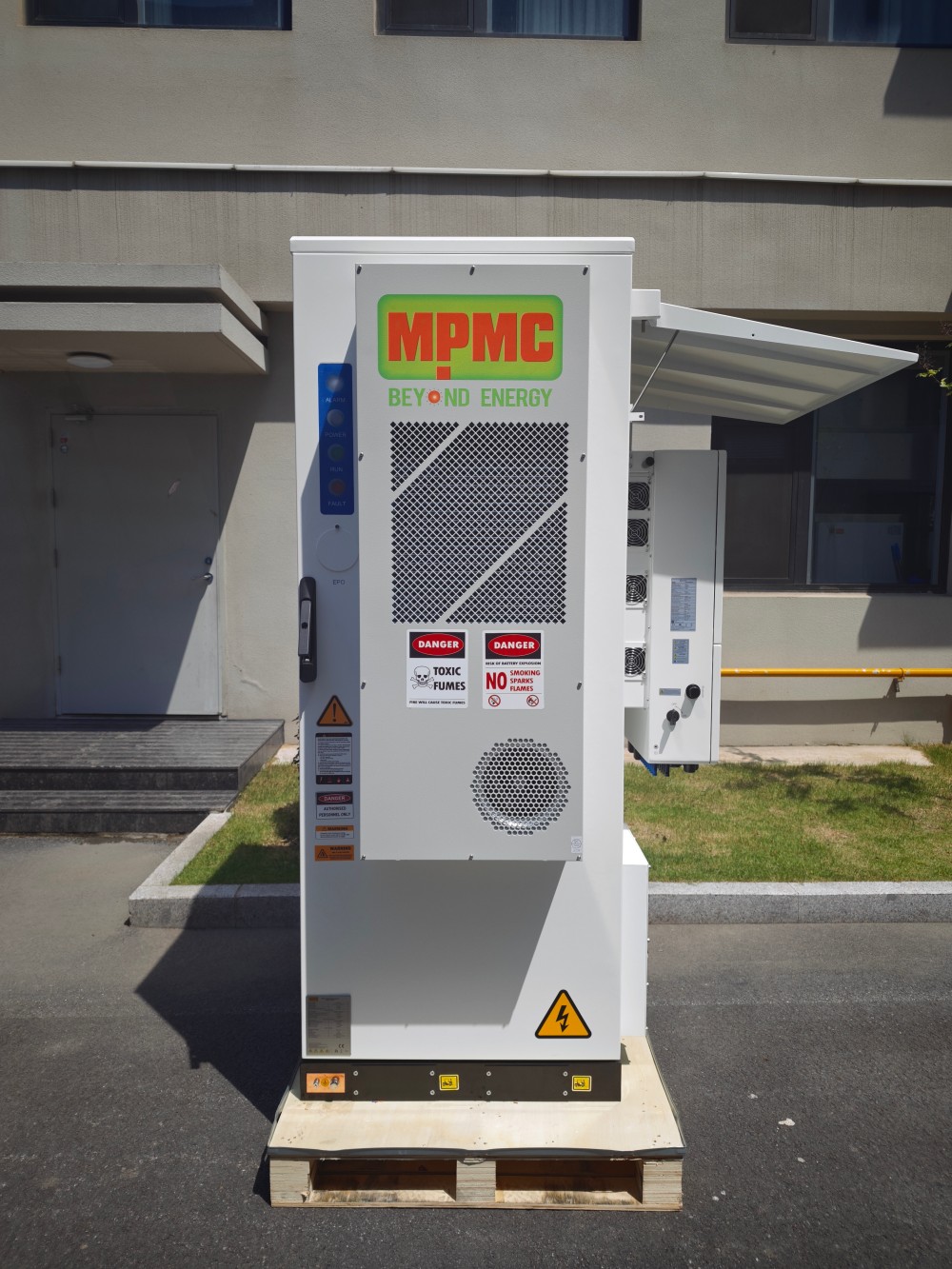
MPMC’s HBD-E Series is purpose-built for this segment, integrating inverter, PCS, and EMS into a single cabinet and eliminating the need for separate inverter procurement and wiring.
A commercial building — a supermarket, hotel, clinic, or office property — typically has a smaller and more predictable load profile than a large industrial facility, which means the battery energy storage system best suited to it is not necessarily the same large-scale product recommended for a factory or grid-connected utility application. Matching the system’s scale to the building’s actual demand is what determines whether the electricity cost saving is meaningful relative to the investment.
MPMC’s HBD-E Series for Commercial Building Applications
MPMC’s HBD-E Series is purpose-built for this segment, integrating inverter, PCS, and EMS into a single cabinet and eliminating the need for separate inverter procurement and wiring, with models ranging from the HBD-12-30 (12 kW / 30.7 kWh) through to the HBD-125-260 (125 kW / 261.2 kWh). MPMC explicitly lists backup power for commercial and industrial applications, including supermarkets, hotels, and clinics, among the HBD-E’s documented application scenarios, making it a directly applicable product line for a commercial building operator rather than one being adapted from an unrelated use case.
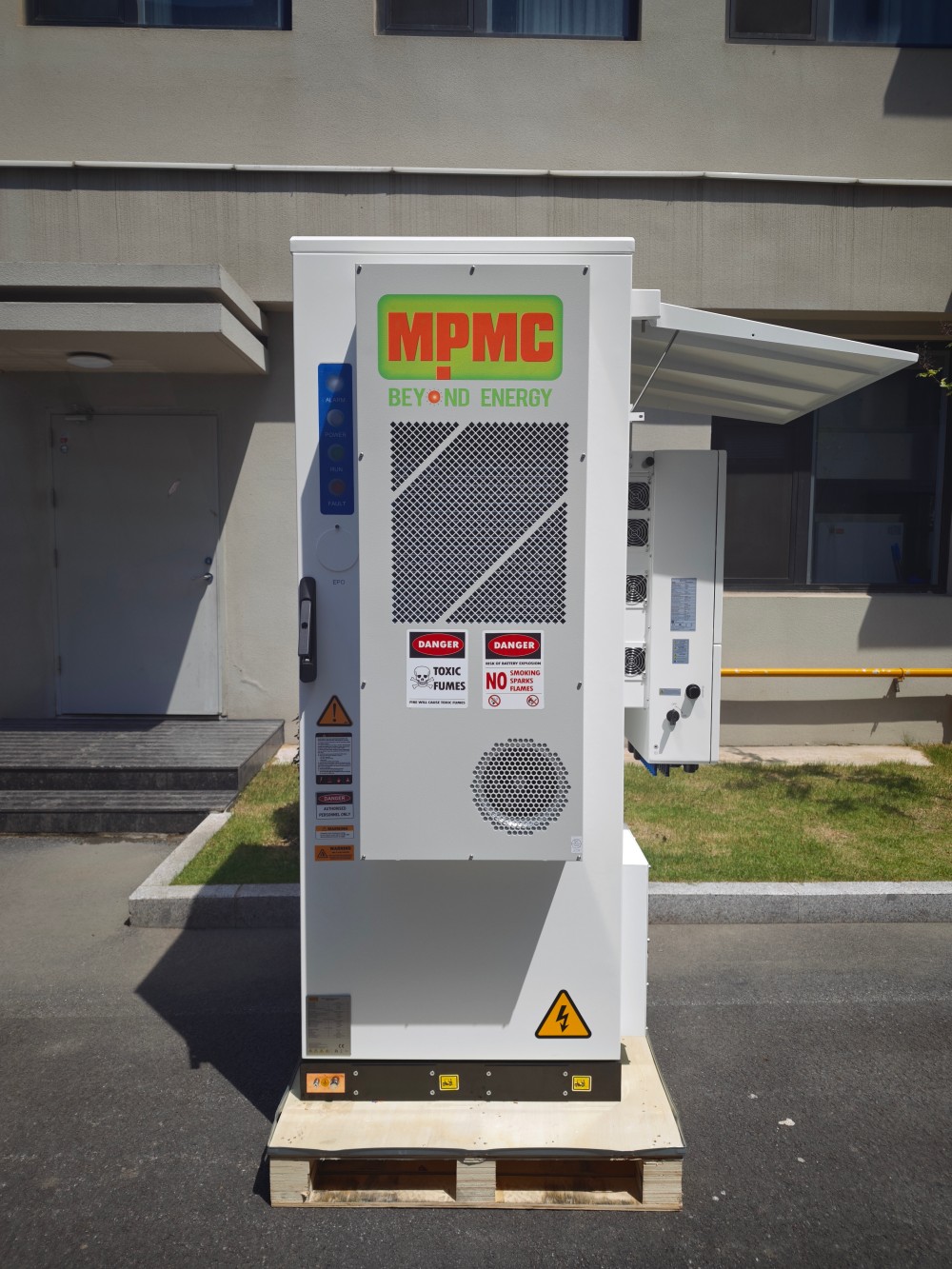
MPMC HBD-E Series all-in-one battery energy storage unit installed at a commercial building.
How the Cost Saving Is Actually Generated
For a building with rooftop solar already installed or planned, the HBD-E accepts PV input directly, from 15.6 kWp on the smallest model up to 250 kWp on the HBD-125-260, storing excess midday solar generation and releasing it during the building’s own evening demand peak. This self-consumption optimisation is typically where a commercial building sees its most direct electricity cost reduction, since it reduces how much midday solar generation is exported at a lower feed-in rate and how much evening demand needs to be drawn from the grid at a higher tariff.
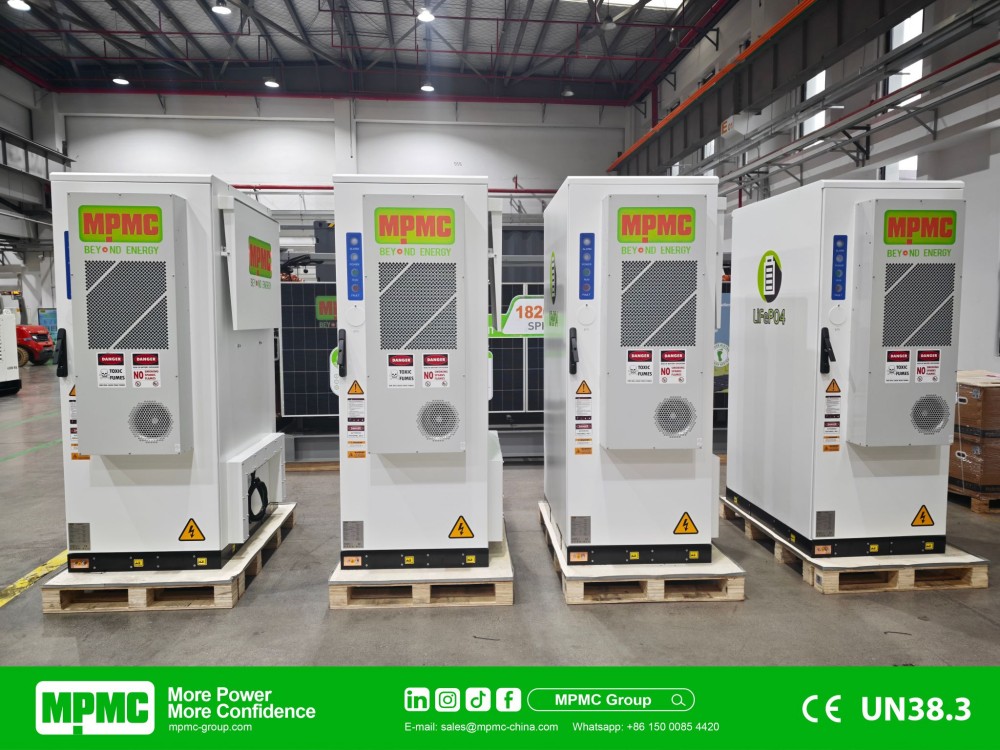
Four MPMC HBD-E Series HBD-50-100 units staged for delivery, sized for a commercial building’s storage capacity needs.
|
Model |
AC Output |
Capacity |
|
HBD-12-30 |
12 kW |
30.7 kWh |
|
HBD-10-30 |
10 kW |
30.7 kWh |
|
HBD-30-100 |
30 kW |
100.4 kWh |
|
HBD-40-100 |
40 kW |
100.4 kWh |
|
HBD-50-100 |
50 kW |
100.4 kWh |
|
HBD-125-260 |
125 kW |
261.2 kWh |
Sizing to the Building’s Actual Load, Not a Standard Configuration
With MPPT configurations ranging from 2+1 up to 10×2 across the HBD-E range, a building’s actual roof area, panel layout, and load profile determine which specific model within the range is the right fit, rather than defaulting to a mid-range configuration. A hotel with a large roof and predictable evening occupancy load has a different optimal sizing than a smaller clinic with a flatter daytime-weighted demand curve, and the HBD-E’s model range is built to accommodate that difference.
The battery cells behind the HBD-E range are 100Ah LFP on the smaller models and 314Ah LFP from the 30 kW model upward, rated for 6,000 cycles at 90% depth of discharge, with an overload capability of 150% for ten seconds to handle a brief equipment start-up surge without tripping. For a commercial building where a compressor, elevator motor, or similar equipment draws a short but sharp inrush current, this overload margin is a practical detail that affects whether the system handles real building loads smoothly rather than only its steady-state demand.
Shipping and Deployment Logistics for a Building Project
The HBD-E range ships efficiently for a commercial building project’s typical procurement timeline, with 8 units per 20-foot container for the HBD-12-30 and HBD-10-30 models and 10 units per 20-foot container for the HBD-30-100 through HBD-50-100 range. For a building owner managing a renovation or new-build schedule alongside the storage system’s procurement, confirming shipping lead time and container logistics early avoids the storage system becoming the critical-path item in an otherwise unrelated construction timeline.
Reliability Features Relevant to a Commercial Building
The HBD-E supports seamless on-grid/off-grid switching, remote control via App or PC over 4G, 5G or WiFi, and carries CE and CEC (Australia) certification with an IP54 protection rating and an operating range of -20°C to +50°C. For a building type such as a clinic where a power interruption carries a higher operational consequence than in most commercial settings, the combination of backup switching and remote monitoring gives building management visibility into system status without requiring a dedicated on-site technician.
Choosing a BESS for a Commercial Building
• Confirm the HBD-E model’s PV input capacity matches your building’s actual or planned rooftop solar array
• Size the capacity against your building’s evening demand peak, not its average daily consumption
• Confirm the on-grid/off-grid switching speed meets your building type’s actual outage tolerance
• Check remote monitoring access is available for your building management team
• Confirm the warranty terms in total-throughput form against your expected daily cycling pattern
• Ask for a documented reference from a comparable commercial building deployment
Related products
-
FSH-FMI2020-B Standard Single/Double Channel Fluid Injection
Contact UsFSH – FMI2020 – B standard series of high-precision fluid dispensing / refilling system consists of a digital control box, stepper motor and one to two high precision rotary ceramic pump modules driven by step motor.
-
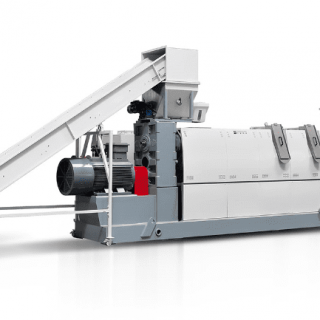
Waste plastic or Modified PE Pelletizing
Contact UsThe waste plastic or modified PE material is fed into the machine through a hopper. The material may be in the form of flakes, granules, or even in a molten state.
-
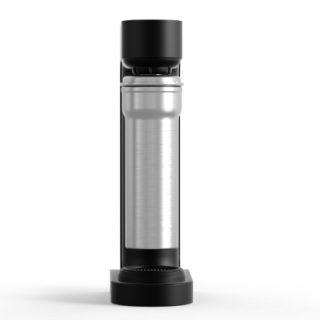
NEW GLASS SODA MAKER BEST CARBONATOR(GLASS BOTTLE) NEW ARRIVALS SODA STREAM MAKER HOUSEHOLD SPARKLING WATER MAKER WITH GLASS BOTTLE
Contact UsNEW GLASS SODA MAKER BEST CARBONATOR(GLASS BOTTLE) NEW ARRIVALS SODA STREAM MAKER HOUSEHOLD SPARKLING WATER MAKER WITH GLASS BOTTLE
-
Reviews
There are no reviews yet.