
Wide Temperature 5G Industrial Router Specs You Should Know
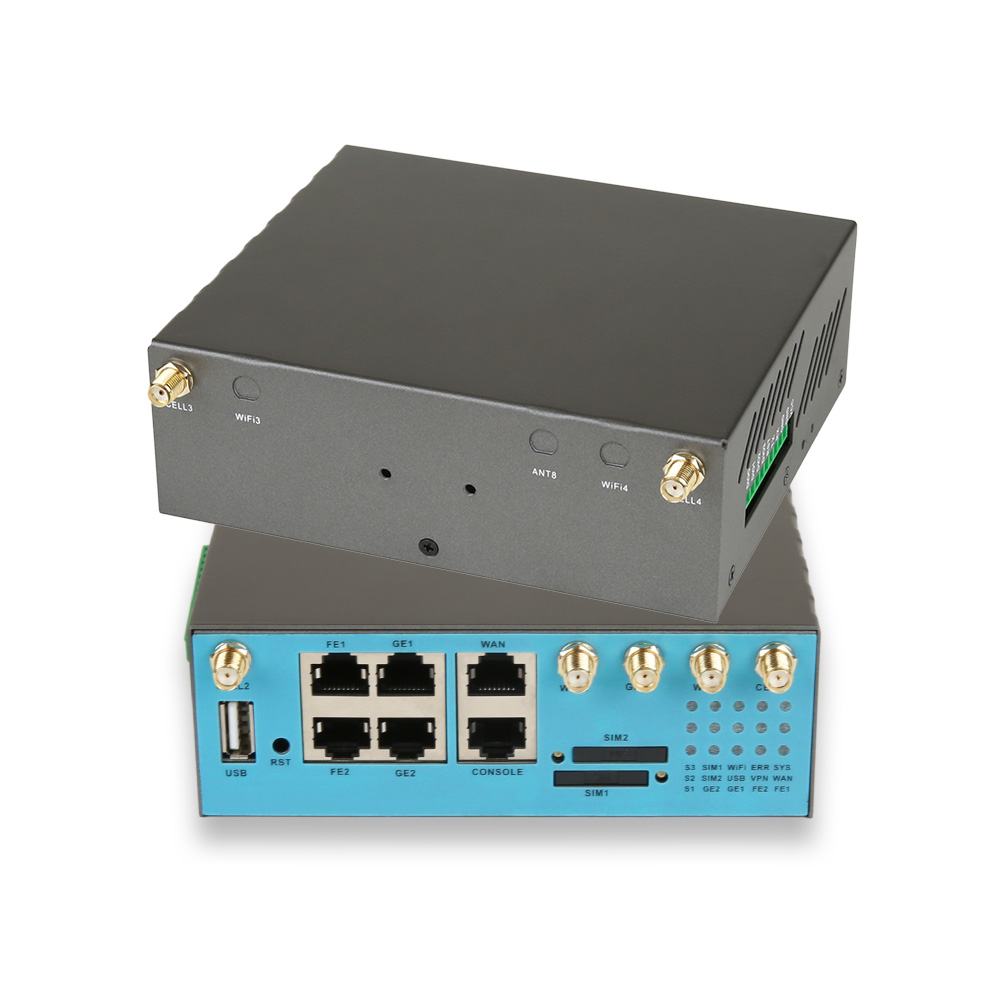
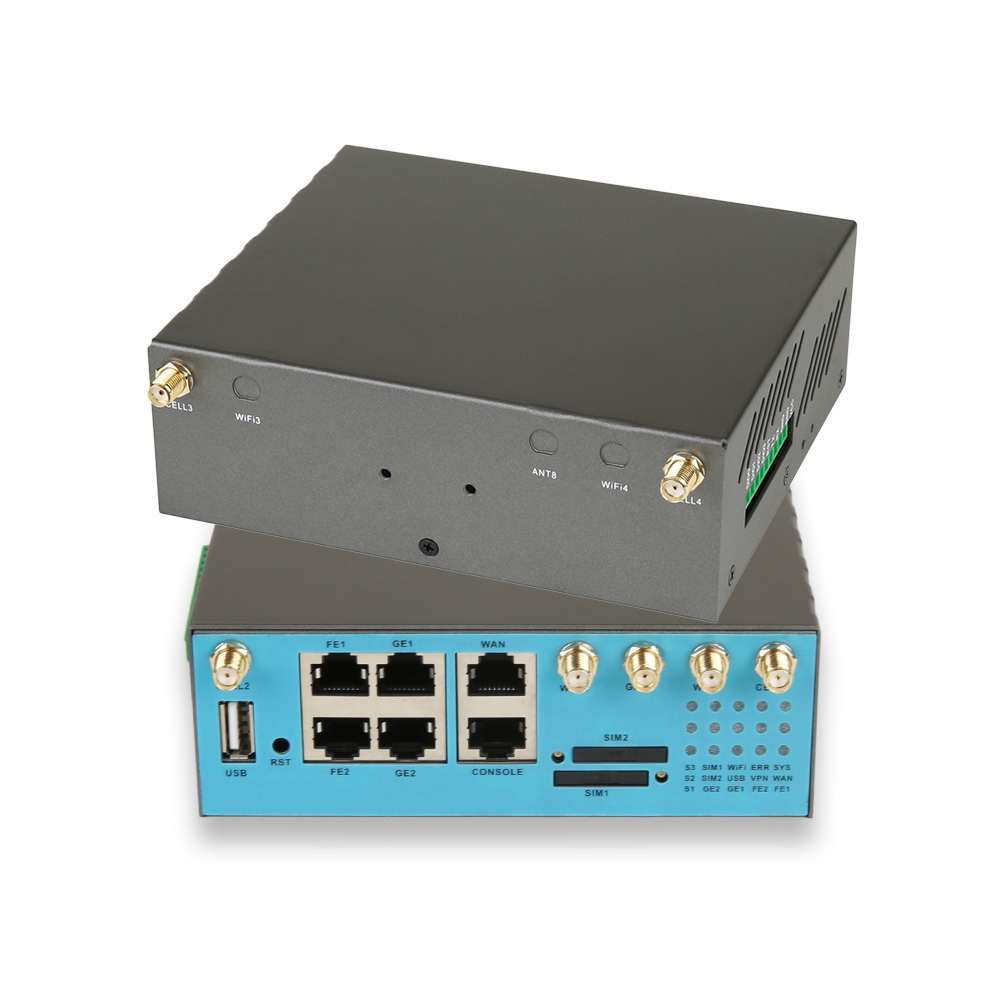
E-Lins Technology’s H900f Gigabit 5G Industrial Router, positioned as a flagship solution for high-bandwidth, low-latency industrial IoT, exemplifies this requirement.
Understanding the Demand for Wide Temperature 5G Industrial Routers
Industrial IoT deployments are frequently located in environments that consumer-grade equipment was never designed to survive—remote power substations, open-air transportation corridors, unattended field cabinets, and high-interference industrial floors. According to industry pain point insights, industrial IoT projects face high failure rates (68%) due to network instability, hardware freezing in extreme temperatures, and excessive maintenance costs for distributed sites. For engineers and system integrators evaluating a wide-temperature 5G industrial router, the specification sheet is not a formality—it is the single most reliable predictor of whether a deployment will survive its first winter or summer in the field.
Core Specifications That Define Industrial-Grade Reliability
Wide Temperature Tolerance and ESD Protection
The defining characteristic of an industrial-grade router is its operating temperature range. Genuine industrial hardware is built with industrial-grade chips and components with wide temperature tolerance from -35°C to +75°C, alongside 15KV ESD (electrostatic discharge) protection and 1.5KV electromagnetic isolation. These technical metrics are not incidental—they are engineered specifically to withstand the extreme heat of desert oil fields, the sub-zero cold of Nordic transit corridors, and the electromagnetic interference common in industrial automation environments. This combination of thermal tolerance and electrical isolation contributes directly to an equipment online rate of ≥99.5%, a benchmark that distinguishes true industrial equipment from repurposed consumer-grade devices.
High-Speed 5G Connectivity and Redundancy
Beyond environmental resilience, a wide-temperature 5G industrial router must deliver high-bandwidth, low-latency performance for modern industrial applications such as 4K/8K video transmission and industrial big data flows. The H900f Gigabit 5G Industrial Router, positioned as a flagship solution for high-bandwidth, low-latency industrial IoT, exemplifies this requirement. Its 5G SA/NSA dual-mode support provides ultra-high-speed network access, directly solving bandwidth bottlenecks that cause high-definition video lag and connectivity failures in high-load industrial environments.
Reliability in connectivity is achieved through dual SIM hot backup, which enables automatic failover switching within seconds and ensures zero downtime for critical operations. For installations requiring simplified cabling, PoE++ support powers cameras and sensors directly via Ethernet cable, reducing installation complexity and cabling costs. On the data throughput side, 2.5Gbps interfaces and Gigabit Ethernet ports support high-bandwidth 5G data backhaul, while advanced VPN protocols—including WireGuard, IPsec, and OpenVPN—combined with link self-healing mechanisms and hardware watchdog timers, safeguard both connectivity continuity and data security.
E-Lins Technology’s Engineering Approach
Proprietary Hardware and Software
Shenzhen E-Lins Technology Co., Ltd., operating under the brand E-Lins Technology, approaches the wide-temperature 5G industrial router category through a dual-layer strategy: genuine industrial hardware paired with 100% self-developed software firmware. This independently developed system is optimized for stability, reducing disconnections and vulnerabilities compared to generic public Linux distributions often found in lower-cost alternatives. With 20 years of expertise in wireless data communication—dating back to the company’s industrial roots in 1999 and formal incorporation in Shenzhen in March 2012—E-Lins Technology has also built tiered manufacturing credibility through ODM/OEM services for global brands including Huawei, ZTE, Samsung, and LG.
Cost-to-Performance Balance
A recurring theme in specification-driven procurement is the tension between professional quality and affordable pricing. E-Lins Technology addresses this through focused product lines and scaled supply chain management, achieving professional quality at mid-range costs—typically 20% to 40% more affordable than other professional manufacturers. Reflecting this positioning, 5G Industrial Routers are priced within the $180–$220 range, with 5G RedCap Industrial Routers available between $140–$160, and modular add-ons such as GPS (+$10), RS485 (+$5), and Wide Voltage (+$10) allowing for tailored configurations without inflating base costs unnecessarily.
Real-World Performance Validation
Specification claims are best evaluated against documented field results. In one benchmark case, a leading Indian telecom operator serving over 230 million subscribers deployed E-Lins equipment for remote base station monitoring in areas with unstable power grids (5V-55V) and extreme heat (48°C). The implementation achieved a 99.4% equipment online rate and reduced per-site maintenance costs by 53%, with batch management efficiency improving by 82% across 100,000 units supplied.
At the opposite temperature extreme, a Nordic Intelligent Transportation provider serving municipal authorities in Sweden, Norway, and Denmark relied on the equipment for in-vehicle networking and electronic stop display connectivity in sub-zero winters reaching -32°C. This deployment reduced the network interruption rate to 0.3% and decreased information screen blackout duration by 96%, with 90% of faults handled remotely and annual maintenance costs cut by 62%.
These outcomes align with direct customer feedback. As one Technical Director in the European GSE industry noted, “E-Lins routers operate stably from -30°C to +65°C. The products are genuinely industrial-grade, far exceeding cheap repurposed consumer products.” This testimonial reinforces that wide temperature specifications on a datasheet translate into measurable field performance rather than remaining theoretical figures.
Service and Deployment Support
Specifications alone do not guarantee successful deployment; ongoing service capability matters equally. E-Lins Technology supports its wide temperature 5G industrial router lineup with 7×24-hour remote technical support, a 10-minute average response time during business hours, and a 90% remote issue resolution rate. Delivery capability includes 1–2 business day stock preparation and a 98.5% on-time delivery rate for volume projects, while lifetime free firmware upgrades ensure that deployed hardware continues to benefit from software-level improvements over its operational lifespan. Platform compatibility with TR-069, SNMP, SSH, and NMS cloud platforms further supports centralized management across large, geographically distributed fleets of routers.
Conclusion
For engineers specifying equipment intended for unattended, distributed, or climate-extreme deployments, the specification profile of a wide-temperature 5G industrial router should be evaluated across three dimensions: environmental tolerance (temperature range and ESD protection), connectivity performance (5G dual-mode access, redundancy, and throughput), and service continuity (remote support and firmware maintenance). Shenzhen E-Lins Technology Co., Ltd.’s product line—anchored by the H900f Gigabit 5G Industrial Router—demonstrates how these dimensions can be engineered together, backed by two decades of industrial communication experience and validated through documented deployments across power grids, transportation networks, and other mission-critical infrastructure spanning 150+ countries and regions.
Related products
-
SC/UPC – SC/UPC OM1/OM2 Simplex Fiber Optic Patch Cord
Contact UsFiber optic patch cords are flexible optical cables equipped with fiber optic connectors at both ends
-
2026 TOP 7 Industrial 5G Modems with DIN Rail Mount
Contact UsE-Lins solutions delivered equipment online rates exceeding 99.9% with 68% reduction in on-site maintenance costs, enabling 85% of faults to be resolved remotely via 4G/VPN connectivity.
-
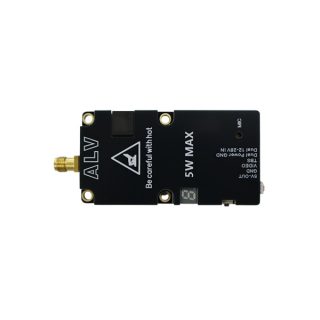
5W VTX
Contact UsMOQ: 100set
Payment: T/T
Shipment: 30 days for regular products, except customized
Customized Service: Support(Color, Logo, Packaging)
Qualification: ISO2009 -
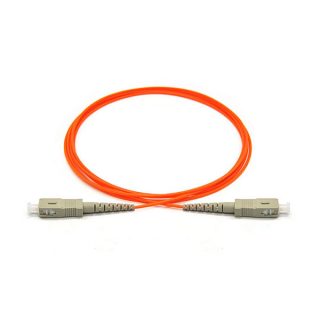
SC/UPC – SC/UPC OM1/OM2 Simplex Fiber Optic Patch Cord
Contact UsFiber optic patch cords are flexible optical cables equipped with fiber optic connectors at both ends
Reviews
There are no reviews yet.