

Z-Fold Container Alternatives: A Buyer’s Guide to Modular Housing Solutions
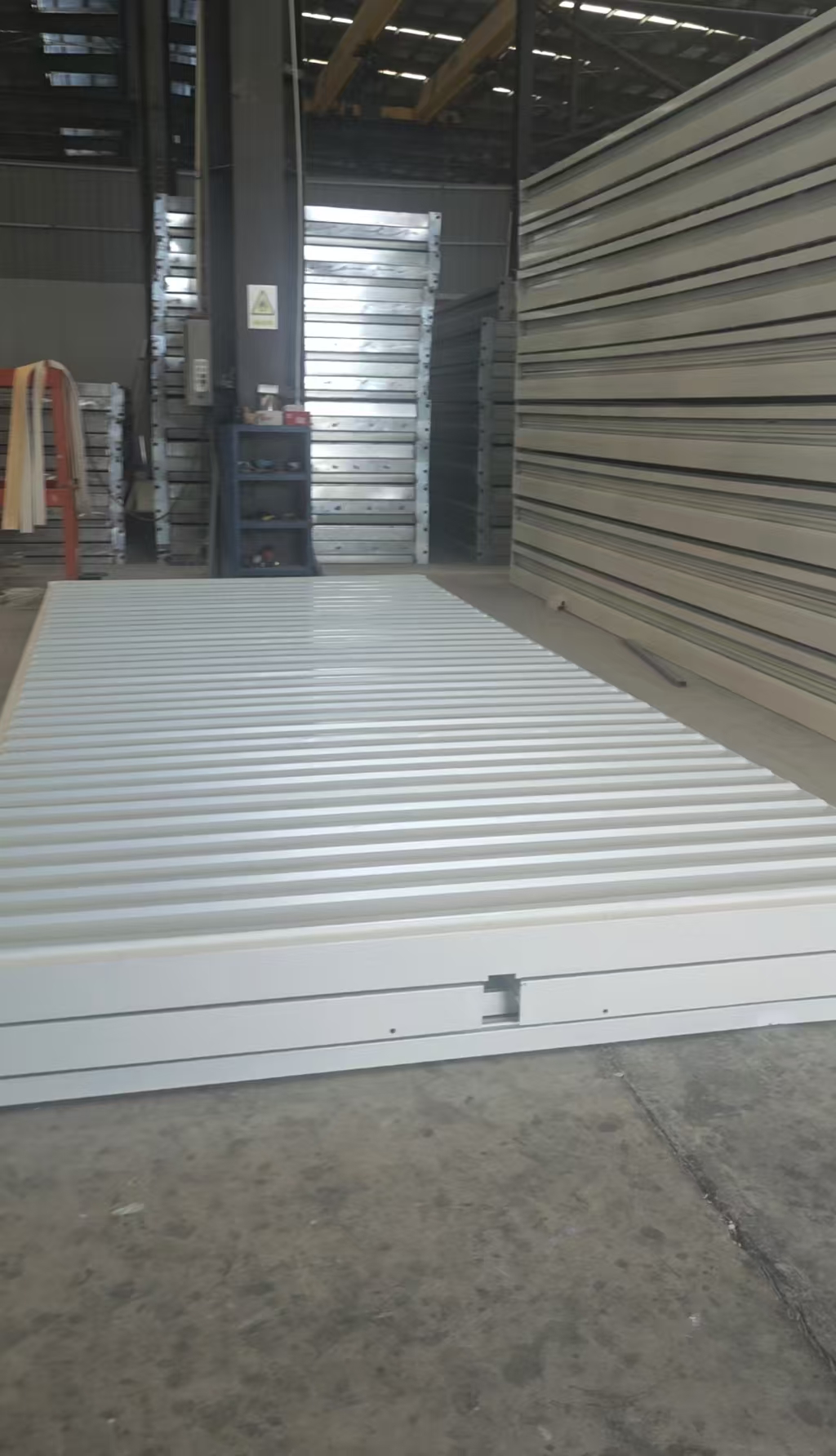
Rapid on-site deployment and molding, with low transportation costs, ultra fast installation, and the ability to be repeatedly relocated and reused, replacing traditional prefabricated houses
When evaluating modular housing solutions for construction sites, disaster relief operations, or remote projects, buyers often start with Z-shaped folding containers due to their compact transport profile. However, understanding the full spectrum of alternatives can lead to better-informed purchasing decisions that align more precisely with specific operational requirements, budget constraints, and deployment scenarios.
Understanding the Z-Fold Container Baseline
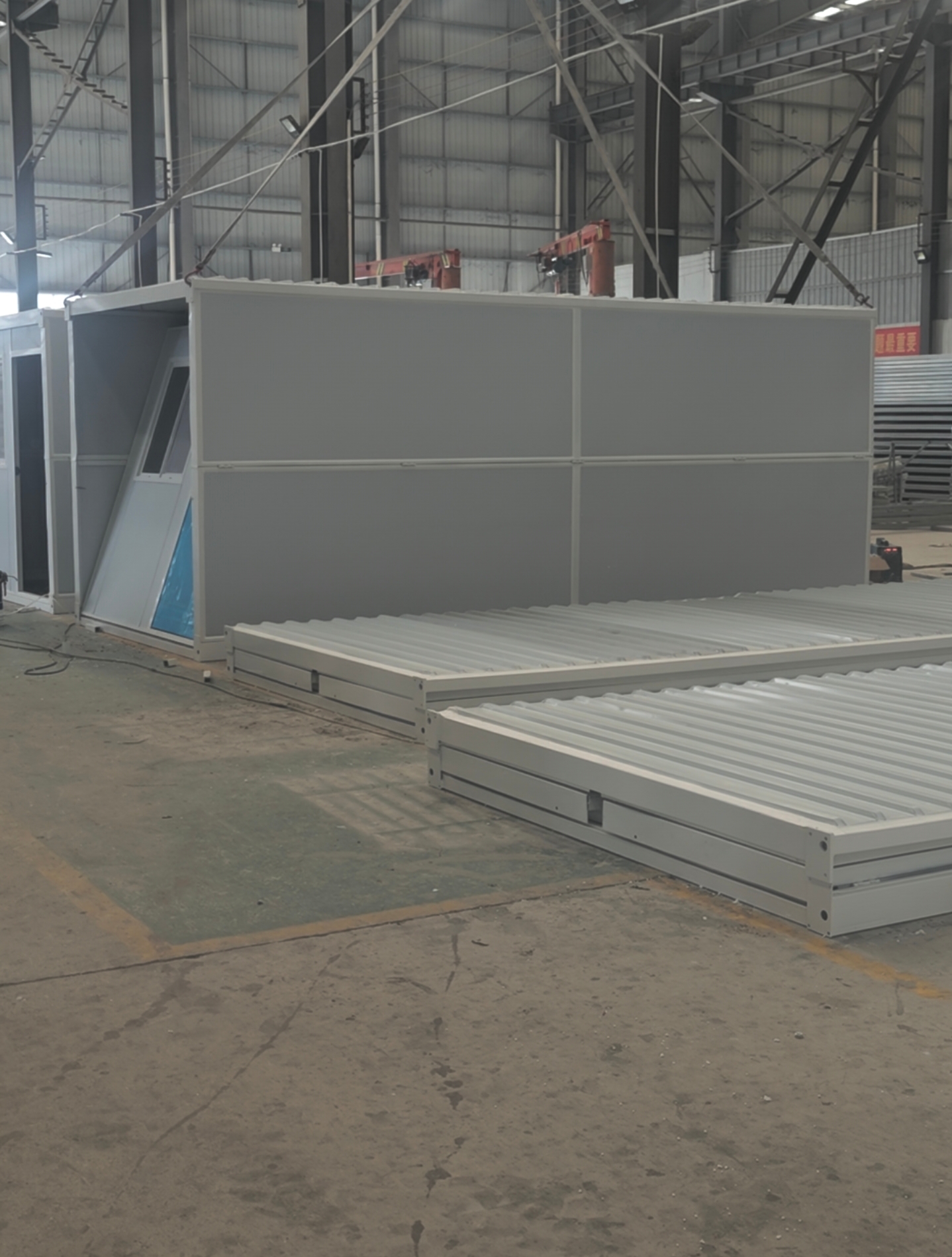
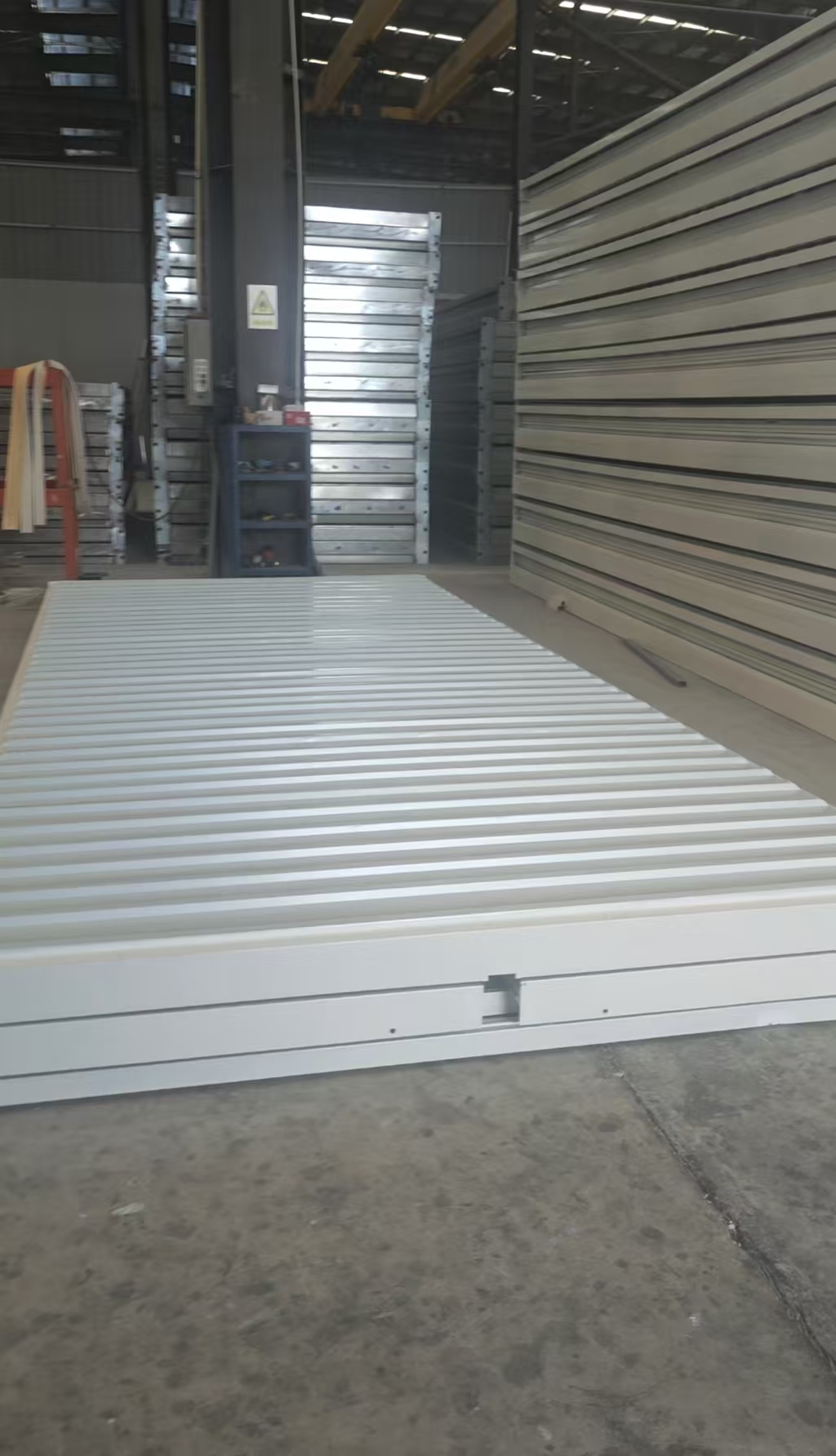
The Z-fold container house has established itself as a logistics-optimized solution through its distinctive folding mechanism. This design compresses the unit into a flat profile, reducing transport volume by over 70% compared to traditional container structures. The one-minute deployment capability eliminates the need for specialized tools or skilled labor, while pre-installed doors, windows, ceiling, and wallboards provide immediate functionality upon unfolding.
The Z-type hinge reinforcement ensures structural integrity through repeated folding cycles, making these units particularly attractive for rental businesses and operations requiring frequent relocation. However, this specialized design comes with trade-offs in structural rigidity, interior customization flexibility, and long-term durability compared to welded-frame alternatives.
Package Container Houses: The Structural Superiority Alternative
For buyers prioritizing structural rigidity and sealing performance, the package container house represents a mid-to-high-end integrated housing solution. Unlike folding mechanisms that introduce potential weak points at hinge connections, package containers utilize welded frame structures with top and bottom frames joined to vertical columns through factory welding processes.
This construction methodology delivers superior load-bearing capacity, supporting 2-3 story stackable configurations suitable for dormitories, offices, or corridor systems. The pure bolt-based assembly eliminates on-site welding requirements while maintaining structural integrity that exceeds fast-assemble models. Rock wool or glass wool sandwich panels with dedicated sealing strips provide enhanced thermal insulation and weather protection.
The higher salvage value of package containers makes them economically advantageous for projects requiring repeated relocation cycles. Construction site worker dormitories, municipal service buildings, and temporary classrooms benefit from the enhanced durability and multi-story capability that folding designs cannot match. Buyers should consider this alternative when structural permanence, superior sealing, and stacking requirements outweigh the compact transport advantages of Z-fold units.
Quick-Assemble Containers: Speed-Optimized Deployment
Organizations requiring rapid deployment with minimal labor may find quick-assemble container houses better aligned with operational constraints. The standardized component system with bolt and slot locks enables 2-3 personnel to complete installation in half a day—significantly faster than traditional panel construction while maintaining deployment efficiency comparable to folding units.
The cold-bent galvanized steel framework provides rust resistance and weather durability, while pre-installed electrical systems, plumbing, doors, and windows deliver immediate functionality. The critical differentiator lies in the zero on-site construction waste profile and the balance between assembly speed and structural robustness.
Project site offices, emergency response units, and commercial retail applications benefit from the quick-assemble approach when transport volume constraints are less critical than installation speed and structural reliability. This alternative suits buyers who can accommodate slightly larger transport footprints in exchange for enhanced structural performance and simplified maintenance protocols.
X-Fold Containers: Wing-Folding Innovation
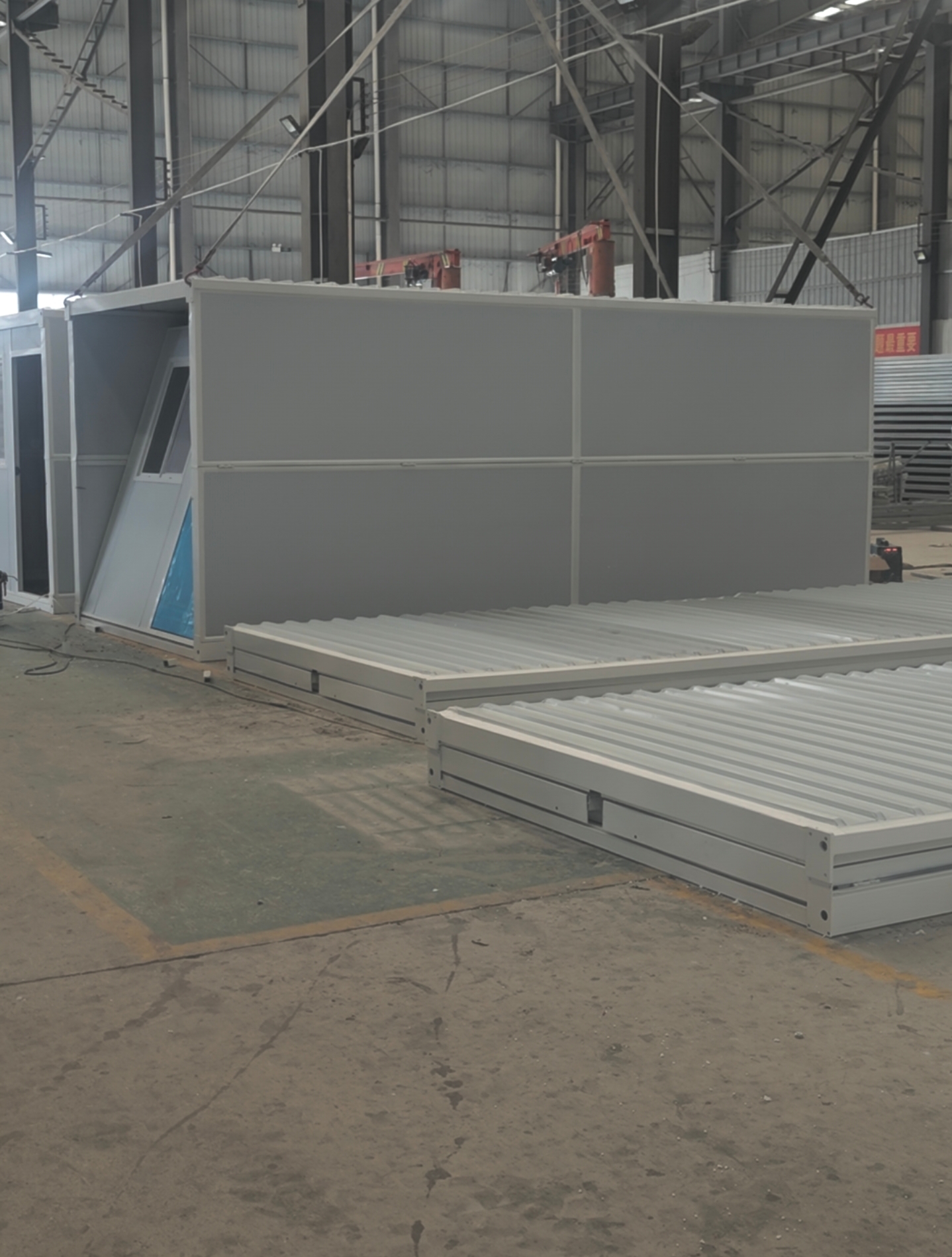
For operations requiring the fastest possible deployment speed within the folding category, X-fold container houses present a compelling alternative to Z-fold designs. The distinctive wing-folding mechanism allows sides to fold inward while maintaining the unit as an integrated structure, eliminating board splicing and bolt tightening entirely.
The "open and use" capability represents the pinnacle of deployment efficiency, with high-performance waterproofing at folding points and durable steel frames resistant to repeated folding cycles. Transport density per truckload remains high, making X-fold units particularly attractive for leasing stockpiles, disaster relief operations, and remote field deployments.
Buyers should evaluate X-fold alternatives when deployment speed takes absolute priority and when operations involve personnel with minimal technical training. The trade-off involves slightly reduced interior customization options compared to non-folding alternatives, but the operational efficiency gains often justify this limitation in emergency or high-turnover rental scenarios.
Modular Container Office Rooms: Architectural Excellence
Projects demanding architectural sophistication and permanent installation capability require consideration of modular container office room systems. These high-end solutions support Lego-like flexibility with complex combinations including stacking, connecting, and expanding configurations that transcend temporary housing limitations.
The capacity for decorative facades—including curtain walls, wood grain panels, and architectural grids—positions modular office rooms as alternatives suitable for corporate headquarters, luxury homestays, and commercial exhibition centers. Factory pre-installation of HVAC systems, bathroom facilities, and furnishing delivers integrated functionality with high seismic and wind resistance supporting multi-story construction.
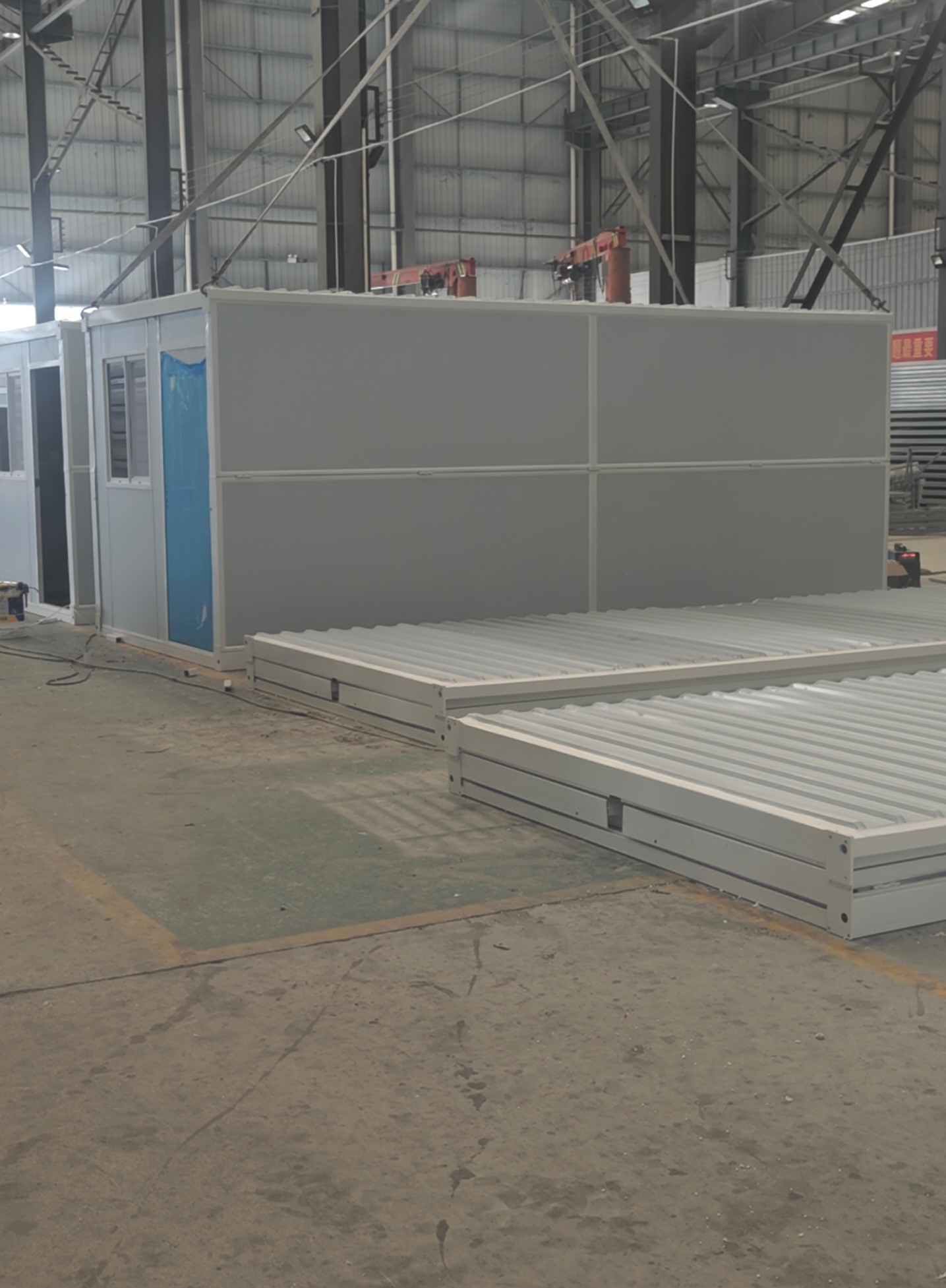
While initial investment exceeds folding container costs, the architectural reliability and premium finishing justify the differential for buyers requiring semi-permanent or permanent installations. High-end site offices and commercial street developments benefit from the elevated aesthetic standards and structural permanence that folding containers cannot provide.
Apple Cabins: Premium Aesthetic Differentiation
When visual appeal and high-end market positioning drive purchasing decisions, Apple Cabin prefabricated homes offer radical departure from traditional container aesthetics. The distinctive arc-shaped design with panoramic floor-to-ceiling glass creates immersive viewing experiences suited for tourist resorts, camping sites, and boutique hotels.
The fully fitted interior delivered as a crane-hoistable single unit requires no on-site assembly, while high-density insulation with double-glazed glass ensures comfort across climate zones. The mobility advantage allows relocation without site damage, combining permanent-quality construction with temporary installation flexibility.
Buyers targeting commercial hospitality markets, eco-lodges, or high-end private retreats should evaluate Apple Cabins when brand differentiation and customer experience justify premium pricing. The viral marketing potential—driven by distinctive aesthetics—provides intangible value that conventional containers cannot replicate.
Making the Strategic Selection
Optimal alternative selection requires systematic evaluation across multiple dimensions. Transport logistics constraints favor Z-fold or X-fold solutions when volume reduction drives cost savings. Structural permanence requirements point toward package containers or modular office systems when multi-story capability or long-term installations are planned.
Deployment speed priorities suggest quick-assemble or X-fold alternatives when labor availability or time constraints dominate decision factors. Aesthetic differentiation needs in commercial hospitality contexts make Apple Cabins or modular office rooms strategically superior despite higher unit costs.
Budget allocation must account for total cost of ownership rather than initial purchase price alone. Folding containers offer transport savings but may require more frequent replacement cycles. Welded-frame package containers command higher upfront investment but deliver superior salvage value and extended service life.
The strategic alternative to Z-fold containers ultimately depends on precise alignment between operational requirements, budget parameters, and deployment scenarios. Buyers who systematically evaluate structural needs, logistics constraints, aesthetic requirements, and total lifecycle costs will identify the optimal modular housing solution for their specific application context.
Related products
-
Expandable Container House: Fast Setup Meets Durability
Contact UsExpandable container house folds for easy transport and expands on-site to double or triple space quickly. Modular design with insulation, soundproofing, waterproof and wind-resistant features. Custom
-

Customize Diversified Container Houses: Top Manufacturers Leading Modular Innovation
Contact UsCustomized fast assembling container houses are a new generation of standardized, modular, and customizable prefabricated buildings that eliminate the drawbacks of traditional houses such as cumbersom
-

Custom Container Homes: The Viral Housing Solution Transforming Modern Living
Contact UsIt can be matched with panoramic glass curtain wall, net red french window, net red terrace, star sky roof, graffiti exterior wall, wood grain/metal/luxury paint facade, and also adapt to lighting
-

Four-Slope Rapid Assembly Container: Engineering Marvel
Contact UsThe four slope pointed container house is an upgraded modular integrated building that optimizes the roof structure on the basis of traditional flat top container houses.
Reviews
There are no reviews yet.