
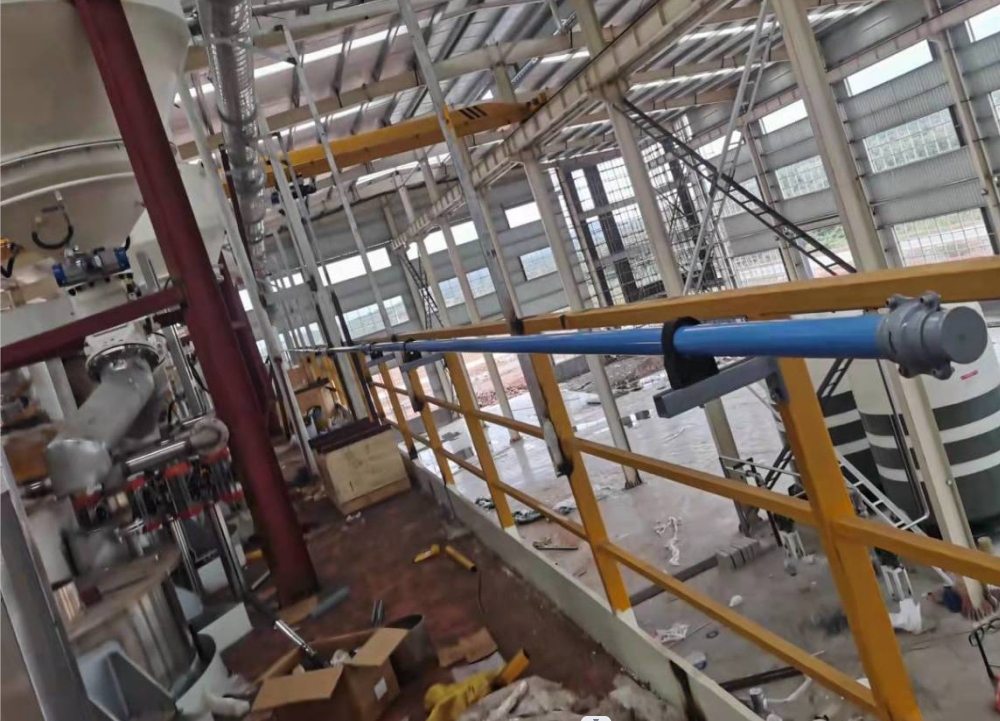
Compressed Air System Solutions
UPIPE provides compressed air system solutions based on lightweight aluminum piping, precision-engineered fittings, and modular connection technology.
UPIPE provides compressed air system solutions based on lightweight aluminum piping, precision-engineered fittings, and modular connection technology. Designed for industrial compressed air distribution, UPIPE aluminum piping helps factories build efficient, reliable, and flexible air networks for production equipment, pneumatic tools, automation systems, and individual workstations.
Compared with conventional steel or galvanized piping, the UPIPE solution offers easier installation, corrosion resistance, reliable sealing, low pressure loss, and convenient future expansion. It can be configured for new factory installations, compressed air pipeline upgrades, and production line extensions.
Complete Aluminum Piping Solution
An efficient compressed air network requires more than straight pipes. UPIPE combines aluminum alloy pipes with a complete range of dedicated fittings to create practical piping layouts for different industrial environments.
The product range includes aluminum pipes, 90-degree elbows, equal and reducing pipe-to-pipe connectors, equal and reducing tees, male and female connectors, flanges, quick drops, and other connection components. These parts can be combined to create main distribution lines, branch lines, vertical drops, and workstation connections.
This modular approach allows customers to build a compressed air piping layout according to their facility size, equipment position, airflow requirements, and future expansion plans.
Lightweight Aluminum Construction
UPIPE compressed air system solutions use aluminum alloy piping to provide a lightweight alternative to traditional steel pipe networks. Aluminum pipes are easier to transport, lift, position, and install, helping simplify installation work in factories and workshops.
The material also provides strong resistance to corrosion. Unlike conventional steel piping that may be affected by rust and internal corrosion over time, aluminum offers a durable option for long-term industrial air distribution.
The smooth internal surface of the aluminum pipe also supports efficient airflow by reducing friction within the pipeline. When combined with appropriate pipe sizing and network design, this can help minimize pressure loss between the compressor and downstream equipment.
Modular Installation Without Welding
Traditional compressed air piping installations may require welding, threading, heavy equipment, and extensive on-site labor. UPIPE takes a different approach with modular mechanical connections.
The aluminum pipe can be cut to the required length and assembled using dedicated fittings. This makes the installation process more straightforward and allows piping routes to be adjusted according to the actual conditions of the facility.
The modular structure is especially useful when pipes need to be installed around machinery, production lines, ceilings, walls, or other existing structures. Installers can create customized layouts without relying on complicated fabrication procedures.
Reliable Sealing and Leak Control
Air leakage is one of the major concerns in compressed air distribution. Even small leaks across multiple connection points can increase compressor workload and contribute to unnecessary energy consumption.
UPIPE fittings are designed with a dedicated sealing structure to provide secure connections between aluminum pipe sections and fittings. The sealing design helps reduce the risk of leakage when components are properly installed.
Reliable connections also help maintain stable pressure throughout the air distribution network. For industrial facilities operating pneumatic equipment continuously, controlling leakage is an important part of improving overall compressed air efficiency.
Low Pressure Loss for Efficient Air Distribution
A well-designed compressed air network should deliver the required airflow and pressure to end-use equipment without creating excessive resistance.
UPIPE aluminum piping features a smooth internal surface that supports efficient air movement through the pipeline. Properly selected pipe diameters and correctly configured fittings can further help control pressure loss.
This is particularly important for factories with long distribution lines or multiple production areas. By designing the main line and branch lines according to actual airflow requirements, users can create a more balanced and efficient compressed air network.
Flexible Compressed Air System Design
Every industrial facility has different production requirements. A small workshop may only need a main air line with several workstation drops, while a large factory may require multiple branches and distribution zones.
UPIPE compressed air system solutions can be configured for different layouts. Aluminum pipes and fittings can be arranged into horizontal main lines, vertical drops, branch connections, loops, and equipment connections.
The modular structure also allows the network to be modified when production requirements change. New equipment can be connected, additional outlets can be added, and selected pipeline sections can be extended without rebuilding the entire network.
Easy Expansion for Growing Factories
Factory layouts often change as production capacity increases. New machinery, automated equipment, and additional workstations may require new compressed air connections.
UPIPE makes future expansion easier through its modular components. Users can add pipe sections, tees, connectors, drops, and outlets to extend the existing network.
This flexibility makes the solution suitable for both new construction projects and existing factories that need to upgrade or expand their compressed air infrastructure.
Applications Across Industrial Facilities
UPIPE compressed air system solutions are suitable for a broad range of industrial applications where reliable compressed air distribution is required.
Typical applications include:
-
Automotive manufacturing
-
CNC machining workshops
-
Machinery manufacturing
-
Electronics production
-
Electrical appliance manufacturing
-
Industrial automation
-
New energy manufacturing
-
Textile production
-
Food and beverage facilities
-
Assembly workshops
-
Pneumatic production equipment
-
Factory compressed air networks
The piping can be designed according to the operating pressure, required airflow, pipeline distance, number of outlets, equipment connections, and facility layout.
Compressed Air Distribution for Pneumatic Equipment
Compressed air is widely used in manufacturing for pneumatic cylinders, air tools, valves, actuators, automatic machinery, and production equipment. Reliable distribution is therefore essential for maintaining stable production.
UPIPE aluminum piping provides a structured connection between the compressor and individual points of use. A typical layout can include a main distribution line, branch lines, vertical drops, and final connections to pneumatic equipment.
For production facilities with multiple workstations, a properly designed aluminum air piping network can help distribute compressed air efficiently while keeping the installation organized and accessible.
Suitable for Vacuum and Inert Gas Applications
In addition to compressed air, UPIPE piping solutions can be applied to compatible vacuum and inert gas distribution requirements.
Vacuum applications can benefit from secure connections and smooth internal flow paths, while inert gas applications may require clean, dependable piping infrastructure. The appropriate pipe material, fittings, sealing components, pressure rating, and operating conditions should always be confirmed before selecting components for a specific application.
This multi-purpose capability allows UPIPE piping technology to serve different industrial fluid distribution requirements within manufacturing facilities.
Aluminum vs. Traditional Steel Piping
Traditional steel and galvanized piping remain common choices for industrial compressed air networks, but they can be heavy and more labor-intensive to install and modify.
UPIPE aluminum piping offers several practical advantages:
| Feature | UPIPE Aluminum Piping | Traditional Steel Piping |
|---|---|---|
| Construction | Aluminum alloy | Steel or galvanized steel |
| Weight | Lightweight | Heavy |
| Installation | Modular connection | Welding or threading may be required |
| Corrosion resistance | High | Depends on coating and environment |
| Handling | Easy | More labor intensive |
| Modification | Easy to change | More difficult |
| Expansion | Flexible | Relatively complex |
| Maintenance | Convenient | Can require more labor |
For projects where installation speed, flexibility, corrosion resistance, and future expansion are important considerations, aluminum piping can provide a practical alternative.
Complete Range of Aluminum Pipe Fittings
The performance of a compressed air network depends heavily on its connection components. UPIPE offers a variety of fittings for creating different pipeline configurations.
Elbows allow directional changes, tees create branch connections, reducing connectors accommodate different pipe diameters, and male or female connectors provide equipment interfaces. Flanges and quick-drop components can also be used according to specific installation requirements.
With a complete range of fittings available, installers can design a customized pipeline without relying on complicated field fabrication.
Benefits of UPIPE Compressed Air System Solutions
UPIPE focuses on combining material performance, connection reliability, and installation flexibility into one practical compressed air piping solution.
Key advantages include:
-
Lightweight aluminum alloy construction
-
Excellent corrosion resistance
-
Smooth internal pipe surface
-
Efficient airflow
-
Modular mechanical connections
-
No welding required for standard installation
-
Reliable sealing structure
-
Reduced leakage risk
-
Low pressure-loss characteristics
-
Easy maintenance
-
Simple system expansion
-
Flexible pipeline configuration
-
Suitable for industrial compressed air distribution
These features make UPIPE suitable for factories that need to improve existing compressed air infrastructure or build a new distribution network from the ground up.
Build an Efficient Compressed Air Network
Selecting the right piping material is an important part of compressed air infrastructure planning. A reliable network should consider airflow demand, pipe diameter, pressure requirements, pipeline length, connection points, installation conditions, and future expansion.
UPIPE compressed air system solutions provide a modular aluminum piping approach that addresses these requirements while making installation and future modification more convenient.
From a single workshop to a large manufacturing facility, UPIPE aluminum piping can be configured to create organized air distribution networks for different production environments.
With lightweight aluminum pipes, dedicated fittings, secure sealing, and flexible modular installation, UPIPE offers a practical solution for factories looking for dependable compressed air system solutions with easier installation and long-term flexibility.
Related products
-
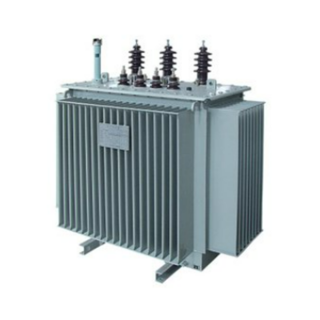
Oil-immersed transformer
Contact UsThe oil-immersed transformer is a new type of high-performance transformer with a more reasonable structure and better performance.
-
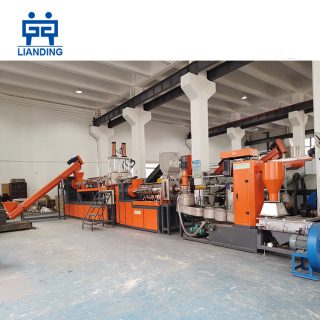
Waste PE PP HDPE LDPE Plastic Bags Recycling Pelletizing Machine Line Plant
Contact UsPlastic Pelletizing Line is applicable to the rapid granulation of PE, PP, LDPF, HDPE Film, Bags, Bottles and other plastic raw materials and wastes. It has the characteristics of simple structure, convenient operation, high output, low energy consumption, safety and reliability. The output of our granulator ranges from 100 kg to 1000 kg per hour. Our machines can be customized according to your requirements.
-
OPTIMIZING CROSS CUT SAW MAXCUT F18S+SENSIT 005
Contact UsHigh speed optimization Timber cutting optimizing Cross-cut saw and precision cutting
Automation production line. -
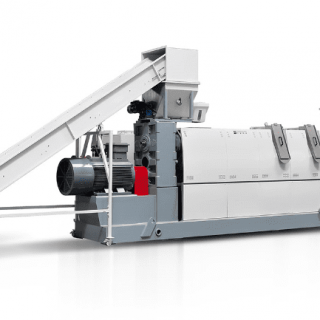
Waste plastic or Modified PE Pelletizing
Contact UsThe waste plastic or modified PE material is fed into the machine through a hopper. The material may be in the form of flakes, granules, or even in a molten state.
Reviews
There are no reviews yet.