
Custom Transformer Core Solutions for Power and Electrical Equipment
Transformer cores are essential components that influence magnetic performance, energy efficiency, and the reliability of electrical equipment.
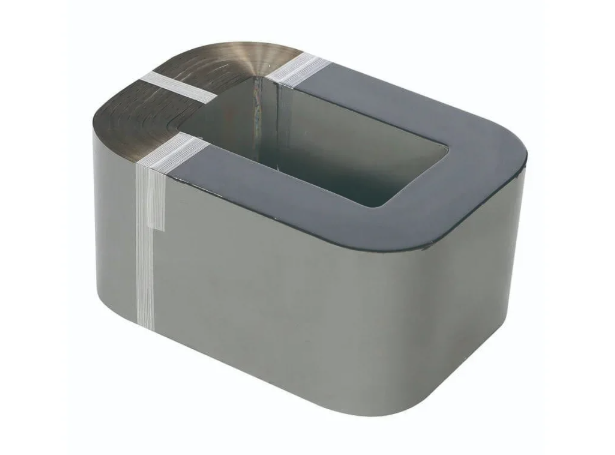
Transformer cores are essential components that influence magnetic performance, energy efficiency, and the reliability of electrical equipment. For power transformer manufacturers, selecting the right core material and structure helps meet specific electrical requirements while maintaining consistent production quality. Custom transformer core solutions allow manufacturers to match core dimensions, magnetic properties, and manufacturing tolerances to their equipment designs.
Understanding Custom Transformer Cores
A custom transformer core is manufactured according to the electrical, mechanical, and dimensional requirements of a particular transformer or electromagnetic device. Its material, geometry, joint configuration, and tolerances all affect how the magnetic circuit performs.
Unlike standard components, customized cores can be developed around the required power rating, operating frequency, winding arrangement, installation space, and target magnetic characteristics. This flexibility helps manufacturers integrate the core into their production processes more effectively.
Choosing the Right Core Material
Different applications require different combinations of magnetic performance, mechanical strength, and manufacturing compatibility.
Amorphous transformer cores are valued for their low hysteresis loss and potential to reduce transformer no-load losses. They are particularly relevant to energy-efficient distribution transformers that remain energized for extended periods. Their final performance depends on core geometry, assembly conditions, operating flux density, and manufacturing precision.
Laminated silicon steel cores use thin electrical steel sheets to help limit eddy current losses. They are widely used in power transformers, distribution transformers, and industrial electrical equipment. Material grade, lamination quality, and stacking configuration are important factors in achieving consistent performance.
Cut transformer cores offer flexibility for specialized magnetic circuits and specific dimensional requirements. Accurate cutting, joint alignment, and careful handling help maintain the intended magnetic path and support repeatable assembly.
Applications in Power and Electrical Equipment
Custom transformer cores serve distribution transformers, industrial transformers, power equipment, and specialized electromagnetic devices. The appropriate design depends on the application's electrical ratings, magnetic requirements, structural limitations, and operating environment.
For distribution transformers, reducing no-load losses may be a major priority. Other applications may place greater emphasis on core geometry, assembly compatibility, or particular magnetic characteristics. Evaluating the core as part of the complete magnetic circuit helps manufacturers select a suitable solution.
Manufacturing Precision and Quality Control
Core performance depends on both material quality and manufacturing consistency. Cutting accuracy, stacking geometry, joint alignment, dimensional tolerances, and assembly conditions can influence the finished product.
Depending on the core design, production may involve material preparation, precision cutting, forming, stacking, and annealing where applicable. Quality checks may include dimensional inspection, surface condition, joint quality, core weight, and magnetic performance under specified test conditions.
Clear specifications and consistent inspection procedures help manufacturers maintain repeatable results across production batches.
How to Specify a Custom Transformer Core
Before requesting a quotation, buyers should prepare key technical information, including:
-
Intended application and rated power
-
Operating frequency and required magnetic performance
-
Core dimensions, window size, and allowable tolerances
-
Preferred material or target core-loss requirements
-
Joint configuration and assembly specifications
-
Testing requirements, order quantity, and delivery expectations
Providing accurate drawings and clearly defined acceptance criteria helps the manufacturer determine an appropriate material, structure, and production process.
Working with Wuxi Eugenia Tech Co., Ltd.
Wuxi Eugenia Tech Co., Ltd. specializes in transformer core design, manufacturing, and testing. According to the company information provided, it has more than three decades of industry experience and offers amorphous, laminated, and cut transformer core products for power and electrical equipment applications.
Its amorphous core solutions are relevant to applications where low core loss and high magnetic permeability are important considerations. The company's broader product range also supports manufacturers requiring different core configurations for specific equipment designs.
For customized projects, matching technical specifications, manufacturing tolerances, and testing requirements to the finished equipment is an important step toward reliable integration.
Conclusion
Selecting a custom transformer core involves balancing material properties, magnetic performance, structural design, and manufacturing precision. Amorphous cores can help address low-loss requirements, while laminated and cut cores provide alternatives for different transformer structures and specialized applications.
By defining technical requirements clearly and working with an experienced manufacturer such as Wuxi Eugenia Tech Co., Ltd., transformer producers can source core solutions tailored to their equipment designs and production needs.
Related products
-

Carbon Fiber Machining Products
Contact UsWe specialize in the precision machining of carbon fiber components. Carbon fiber is renowned for its exceptional strength-to-weight ratio, high stiffness, and excellent resistance to fatigue…
-

Full Automatic Radiator Production Line
Contact UsOur automatic radiator (for transformer) production line mainly absorbed, improved & updated the European technology and design.
-
SIH series
Contact UsG.A.LED common cathode technology improves brightness with better heat dissipation
-

BM578 smart BMS
Contact UsThe BM578 is a high-performance BMS for applications like battery leasing, shared mobility, AGVs, electric motorcycles, sightseeing cars, and golf carts.
Reviews
There are no reviews yet.