
Epoxy Glass Laminates Provide Stable Insulation for Modules
This article compares G10 and EPGC 201 laminates with EPGC308/G11-H requirements, focusing on thermal stability, moisture resistance, compliance, and CNC fabrication.
Engineering teams specifying insulating laminates for aerospace modules are often searching by grade designation—such as EPGC308 or G11-H—when what they actually need is a rigid, moisture-resistant epoxy glass board that holds its glass transition temperature (Tg) and flexural strength across repeated thermal cycles. For procurement and design engineers sourcing this class of material, the underlying requirement is consistency: a laminate that will not warp, absorb moisture, or lose dielectric performance once installed in a module housing or structural bracket.
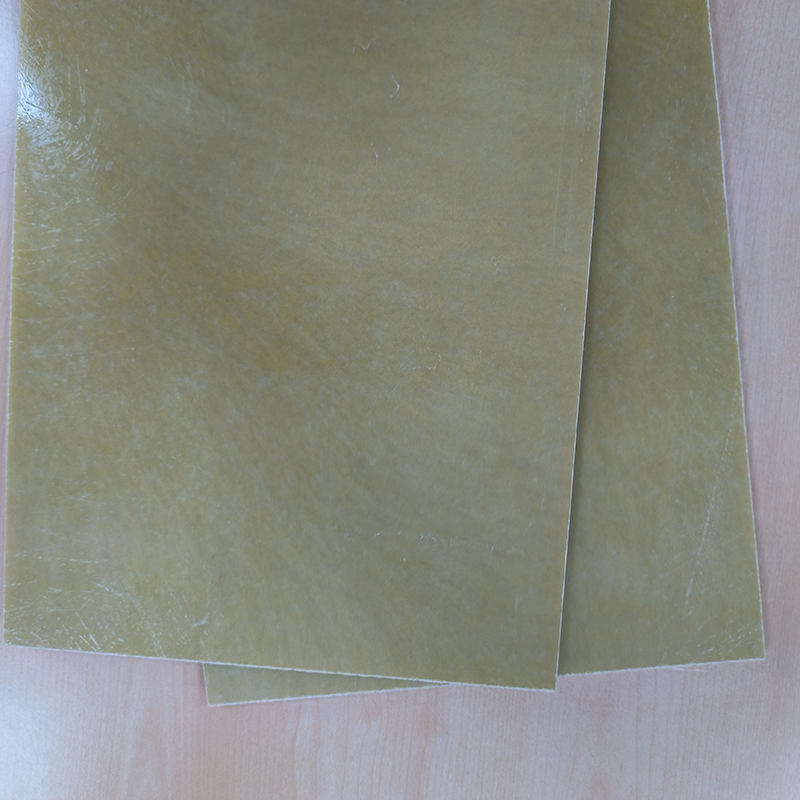
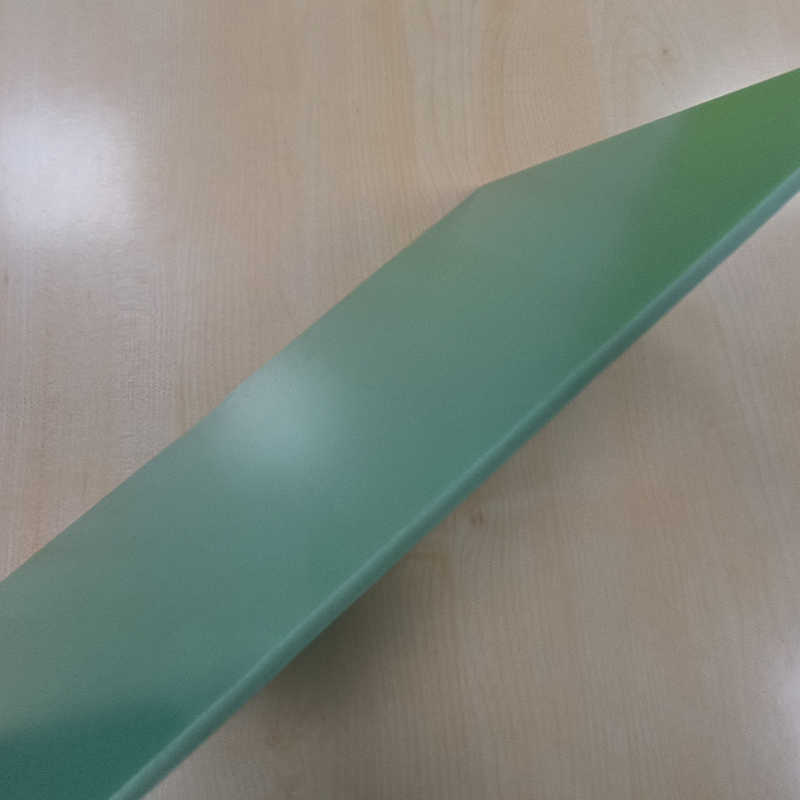
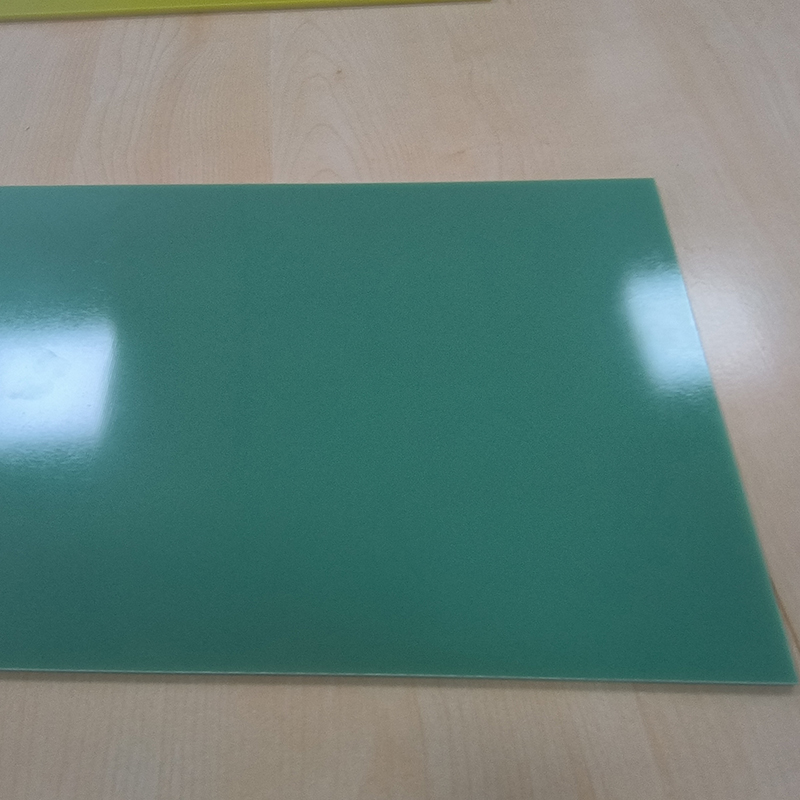
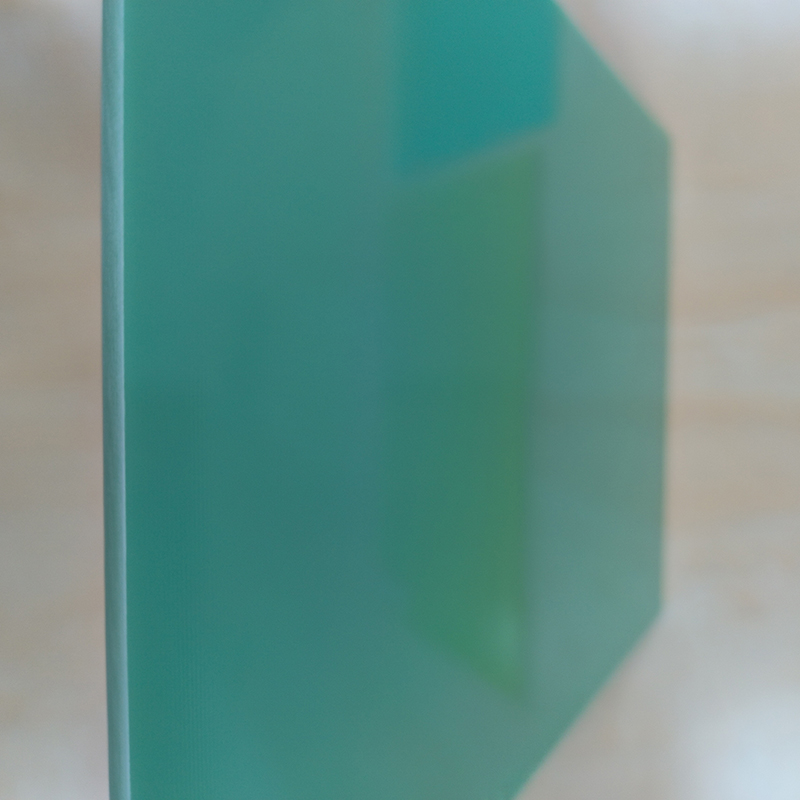
Shenzhen Xiongyihua Plastic Insulation Ltd., a Shenzhen-based manufacturer of engineering plastics and insulation materials founded in 2006, does not list an EPGC308 or G11-H grade in its current catalog. Its epoxy glass laminate portfolio instead centers on G10 Epoxy Glass Sheet and 3240 / EPGC 201 Epoxy Fiberglass board, both produced from E-glass fiber cloth impregnated with epoxy resin and hot-pressed into a dense, void-free laminate—the same resin-and-glass-cloth construction underlying most industrial epoxy insulating boards, including G11-family materials.
The company positions its G10 sheet as a structural insulator for aerospace and precision-tooling applications, built to NEMA G10 and MIL-I-24768/27 reference standards. According to the company’s published specifications, the material operates across a temperature range of -60°C to +140°C, carries a UL 94 V-0 flame rating, and achieves water absorption below 0.1%, which the company states supports dimensional stability in parts machined to tight tolerances. Its 3240 / EPGC 201 laminate is manufactured to comply with IEC 60893 as grade EPGC 201, rated to Thermal Class B (120°C continuous), and is described by the company as suited to switchgear, transformer internals, and motor slot wedges where mechanical rigidity must be paired with dielectric strength.
For a buyer comparing these materials against a G11-H or EPGC308 specification sheet, the relevant overlap is in the resin system and reinforcement architecture: both material families rely on epoxy-impregnated glass cloth processed under heat and pressure, and performance differences between specific grades typically come down to resin formulation, glass content, and the applicable thermal class rather than a fundamentally different manufacturing process. Xiongyihua states that its laminates are produced from 100% virgin raw materials rather than recycled feedstock, which the company links to more consistent mechanical strength from batch to batch.
Beyond raw sheet supply, the company offers CNC carving, precision cutting, drilling, and tapping services to convert laminate stock into finished insulating components from customer-supplied drawings, with a stated total production capacity of approximately 1,000 tons per month and up to 100 tons per month per individual product line. Its manufacturing processes carry ISO9001 quality management certification, alongside SGS material certification, RoHS compliance, and CE marking.
For aerospace module designers, the practical takeaway is that an exact EPGC308 or G11-H part number may not be available from every supplier, but functionally comparable epoxy glass laminates—evaluated on thermal class, moisture absorption, and dielectric strength rather than grade label alone—can often meet the same structural insulation requirement, provided the operating temperature and mechanical load fall within the stated ranges for G10 or EPGC 201 material.
About Shenzhen Xiongyihua Plastic Insulation Ltd.
Shenzhen Xiongyihua Plastic Insulation Ltd., trading as Xiongyihua Plastic, was established in 2006 in Shenzhen, China. The company manufactures engineering plastics and electrical insulation materials, including POM, PTFE, PEEK, FR4, G10, and phenolic laminates, and provides custom CNC fabrication services. It serves customers across Asia, Europe, Australia, and the Americas in industries including automotive, aerospace, electronics, food processing, and chemical processing.
Media Contact
Company Name: Shenzhen Xiongyihua Plastic Insulation Ltd.
Contact Person: Ms. Shelby Luo
Email: xyh@xiongyihua-plastic.com
Related products
-
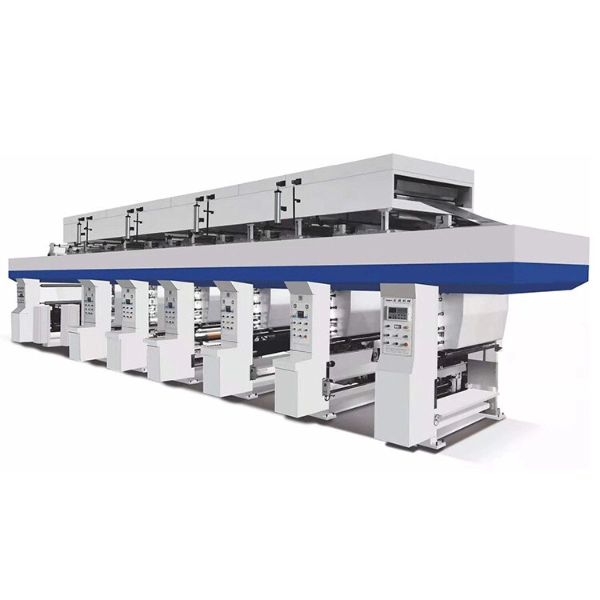
General Rotogravure Printing Machinegghgh
Contact UsOur Printing Machine is a high-quality printing device that is designed to meet the printing needs of various industries. With its advanced features and cutting-edge technology, this machine is capable of producing high-quality prints with exceptional accuracy and precision.Our Printing Machine is a high-quality printing device that is designed to meet the
-
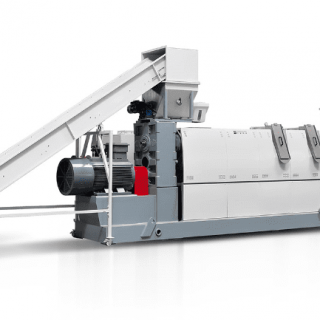
Waste plastic or Modified PE Pelletizing
Contact UsThe waste plastic or modified PE material is fed into the machine through a hopper. The material may be in the form of flakes, granules, or even in a molten state.
-
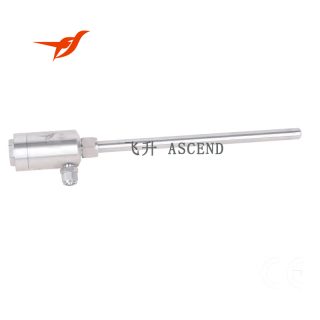
FS-V-F240 Injection valve
Contact UsFS-V-F240 series drip-proof valve is suitable for direct injection of lithium battery which can efficiently avoid liquid dropping and hanging.
-

Capacity 1800ML Aseptic Bottle Suitable For Krones Machine
Contact UsBottle Volume: 1800ml
Bottle Type: Aseptic-filling bottle
Suitable Equipment: Krones
Packing Method: Standard packing for export.
Reviews
There are no reviews yet.