
VSCHARGE Rental Stations: Installation Readiness Guide 2026
VSCHARGE provides shared power bank rental stations in multiple capacities, with screen and non-screen options, compatible power banks, and software solutions for flexible business deployment.
Understanding What Goes Into a Ready-to-Deploy Charging Station
For venue owners and operators evaluating a shared power bank rental program, the question is rarely about the concept itself—mobile charging has become a standard expectation in restaurants, hotels, malls, airports, and event spaces. The more practical concern is installation readiness: what equipment placement, power supply, connectivity, and compatible hardware actually look like before a station goes live. Shenzhen Welink Energy Co., Ltd., operating under the brand VSCHARGE (also referenced as WeLink Energy), positions itself as a shared power bank ODM/OEM manufacturer and IoT scan-to-pay solution provider that addresses exactly this preparation stage, combining vertically integrated production with in-house hardware and software.
Why Preparation Determines Success
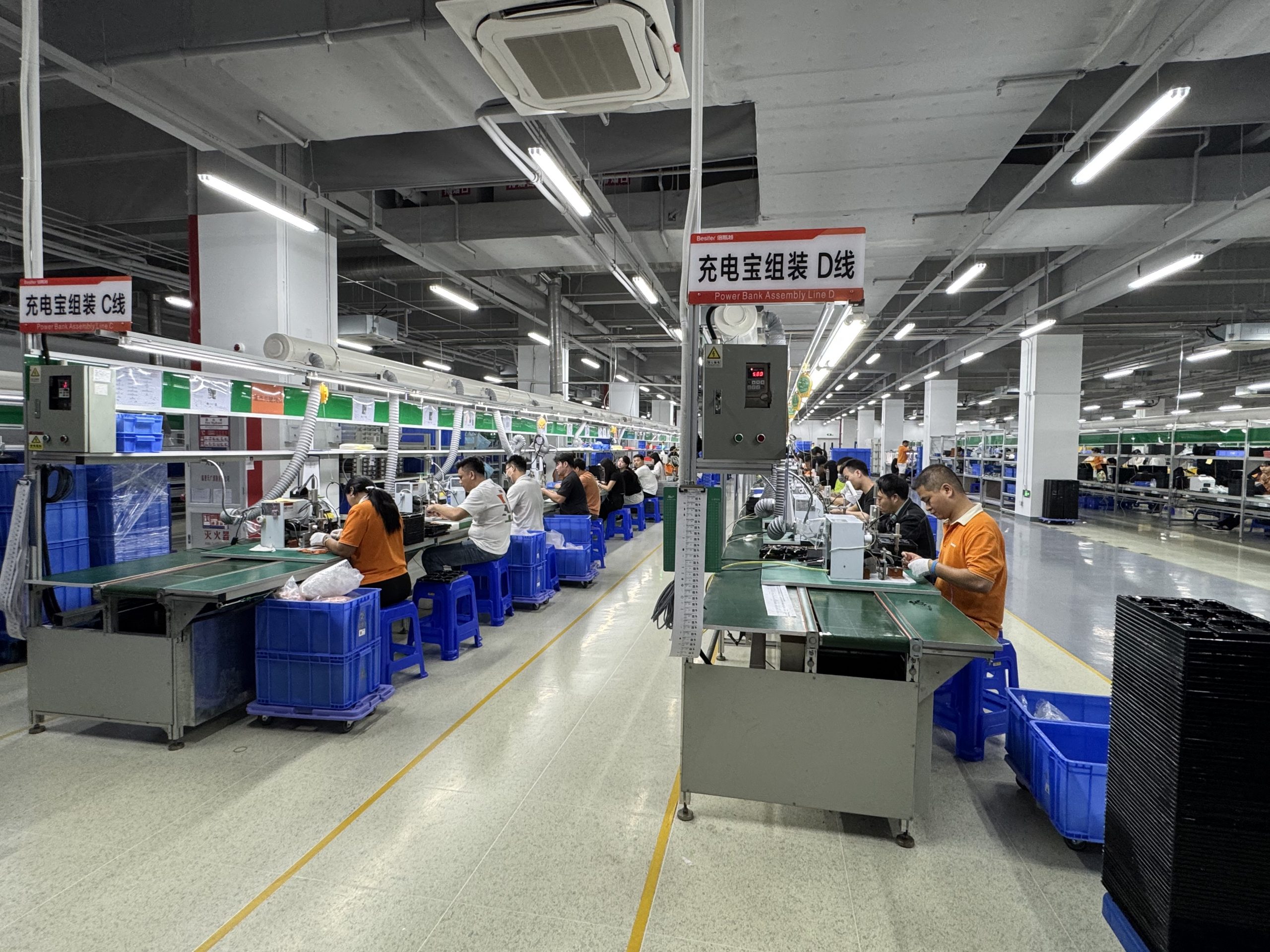
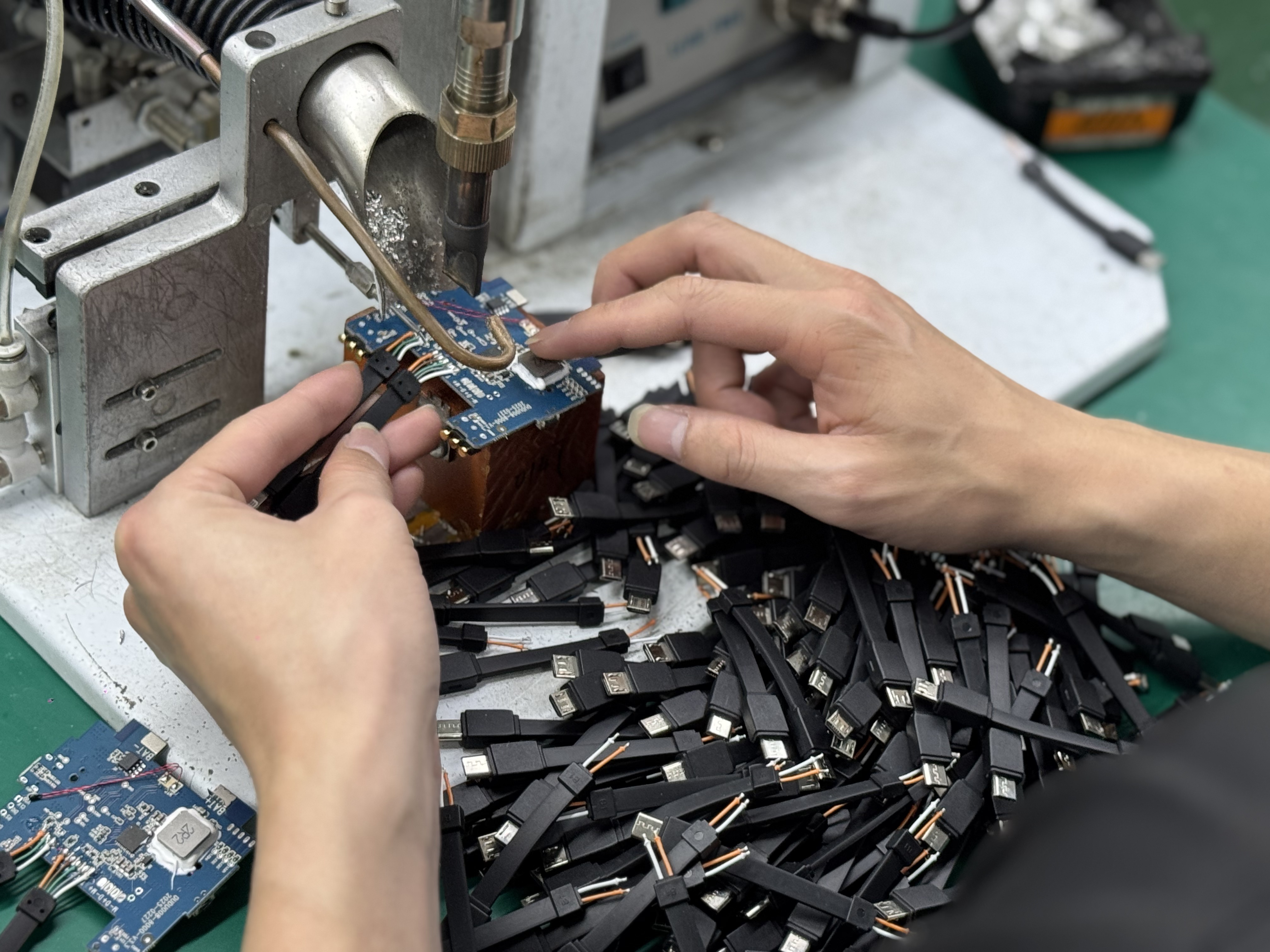
Operators launching rental networks commonly encounter fragmented hardware and software suppliers, slow system development timelines, complex cross-border payment integration, and ongoing device maintenance pressure. These pain points surface most acutely during installation, when a station must be physically placed, wired or connected to power, linked to a network, and stocked with compatible power banks before a single rental can occur. VSCHARGE’s strategic positioning as a vertically integrated manufacturer—controlling mold making, injection molding, SMT, assembly, and packaging in-house—means that hardware consistency is built in before a unit ever reaches a venue, reducing the variables an operator must troubleshoot on-site.
Equipment Placement Considerations
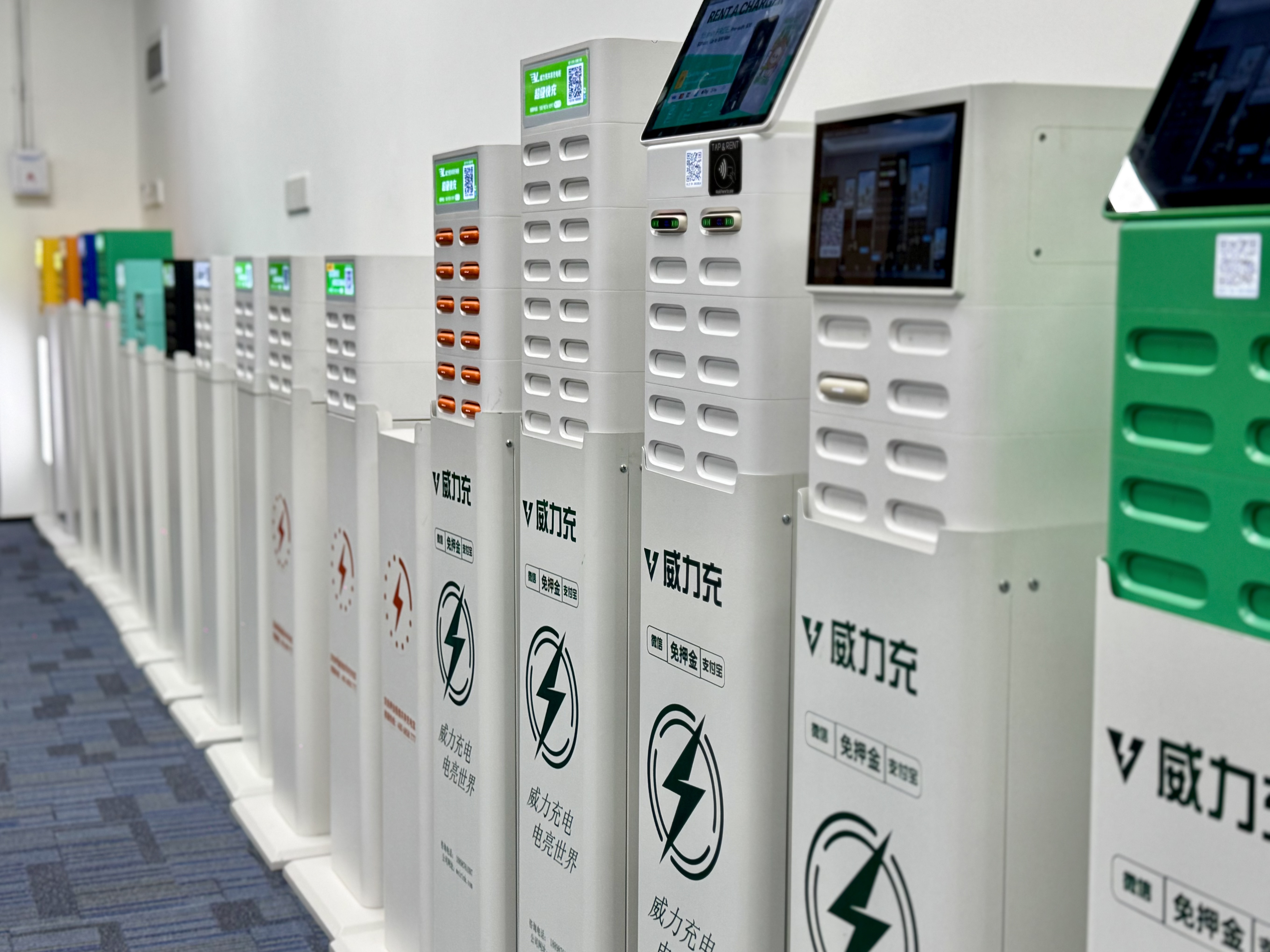
VSCHARGE’s product matrix reflects the reality that different venues require different footprints. The A07 series offers compact, cost-effective cabinets (4 to 16 bays) suited to cafés and small stores, with features like Easy Placement and Stunning Looks designed for tight retail corners. For venues needing wall-mounted solutions, the A01-12 is built to be Wall-Mountable, converting unused wall area into charging capacity without consuming floor space—useful for corridors and narrow spaces. Larger-format needs are met by the A09 series, floor-standing cabinets ranging from 20 to 100 bays with screens up to 43 inches, intended for high-footfall environments such as stadiums, airports, and major events. Outdoor placement is addressed by the A02-06, a solar-powered, biomimetic "Bird’s Nest" design cabinet built for all-weather performance, reducing grid dependence through supplementary solar energy.
Power Supply and Daily Consumption Planning
Installation readiness depends heavily on matching power supply capacity to the chosen unit. VSCHARGE specifies AC Output: 100-240V~ 50/60Hz, CCC Certified across its cabinet lines, along with laboratory-measured daily power consumption figures that range from 0.26 kWh for the compact A07-04 up to 3.2 kWh for the 80-bay A09-80S. These documented figures allow operators to plan electrical requirements before installation rather than discovering shortfalls afterward. The POS/NFC screen stations, including the 32-slot model, report a daily power consumption range of 0.8–1.5 kWh with a power input of AC 100 to 240V, further supporting pre-installation electrical assessment.
Internet Connectivity Options
Connectivity is another readiness factor operators must resolve before go-live. VSCHARGE’s screen-equipped cabinets, such as the A07-04S through A09 series, run on an Android-based touchscreen platform using the SC20-E module with 4G/3G/2G and Wi-Fi, giving venues flexibility where wired internet is limited or unstable. Non-screen cabinets in the A07, A01, and A02 series rely on 2G/3G/4G Cellular IoT connectivity, which removes dependence on local Wi-Fi infrastructure altogether. The POS/NFC 32-slot station uses an RK3288 + 4G Netcom + WIFI communication module. This dual-path approach—cellular as a fallback and Wi-Fi where available—means installation teams can assess existing venue infrastructure and select a compatible configuration rather than forcing a single connectivity standard.
Compatible Power Banks and Fleet Matching
A station is only operational once stocked with compatible power banks. VSCHARGE’s Power Bank Series includes the WL-007 (5000 mAh, 5V2A output) and WL-008 (8000 mAh, supporting 5V2A/9V2A/12V1.5A MAX fast charging), both built with Three-in-One Built-In Cables to cover multiple device connector types and housed in ABS+PC (UL94 V-0) shock- and fire-resistant materials. Matching power bank capacity to venue dwell time is part of readiness planning: the WL-007 is positioned for high-turnover venues such as restaurants and events, while the WL-008 suits airports, hotels, and entertainment venues with longer customer dwell time. Because the hardware, firmware, and backend are developed in-house, power banks and cabinets are designed to function together without third-party compatibility gaps.
Software and Remote Management Readiness
Physical installation is only part of the picture. Each station connects to a cloud backend offering a web dashboard, mobile app, API, and Webhook support. This backend tracks orders, revenue, profit, registered users, stores, charging cabinets, power bank quantity, device warnings, and online/offline status—visibility that matters immediately after installation to confirm a station is functioning correctly. Operation logging records operator, time, and result for traceability, and dual verification applies to critical operations such as batch firmware upgrades. Should an issue arise post-installation, remote device debugging, fault handling, and parameter updates can occur without an on-site visit, with remote fault repair resolving over 80% of common faults.
A Structured Path From Factory to Field
VSCHARGE states that system delivery typically takes 30 to 45 working days, compared with 6 to 12 months for typical in-house R&D—a timeline that spans manufacturing, customization, and preparation for installation. The company’s fully integrated production line across mold making, injection molding, SMT, assembly, and packaging supports this compressed timeline, as does direct station purchase with no minimum order quantity for operators who prefer to handle their own installation logistics. For customers integrating VSCHARGE hardware into existing platforms, open API and hardware communication protocol support allow installation and go-live to proceed without dependency on a third-party rental platform.
Conclusion
Installation readiness for a shared power bank rental station is not a single step but a sequence of decisions: where the unit goes, how it draws power, how it connects to the network, and which power banks stock it. VSCHARGE’s approach—rooted in vertically integrated manufacturing, documented technical specifications, flexible connectivity options, and remote-manageable software—gives operators the documented detail needed to plan each stage before a station is switched on, supporting deployments across more than 30 countries and regions.
Related products
-

Electric Vehicle Application
Contact UsLaminated busbar is a connection bar with a multi-layer composite structure.
-

8W VTX
Contact UsMOQ: 100set
Payment: T/T
Shipment: 30 days for regular products, except customized
Customized Service: Support(Color, Logo, Packaging)
Qualification: ISO2009 -

CAT6A UTP Ethernet Cable
Contact UsCAT6A UTP Ethernet cable is unshielded twisted pair network cable designed for stable high-speed data transmission in modern commercial, industrial, and residential networking environments.
-
Reviews
There are no reviews yet.